Last Updated on July 12, 2026 by Melissa
If you love exploring the great outdoors — and especially our nation’s incredible national parks — the America the Beautiful Pass may be the best $80 you spend all year.
One card. More than 2,000 federal recreation sites. And in 2026, it just got a serious upgrade.
Digital passes are now available for every pass type. Motorcycles are now covered. Pricing has changed dramatically for non-U.S. residents. And there are 10 new fee-free days reserved exclusively for Americans. This guide covers every single 2026 change so you can plan smarter, save more money, and get outside faster.
This guide uses affiliate links. If you shop or book through our links, we may earn a small commission at no extra cost to you — thank you for supporting Part-Time Adventuring!
Table of Contents
- What Is the America the Beautiful Pass?
- Does the Pass Cover State Parks?
- 2026 Pricing: What Does the Pass Cost Now?
- The $100 Non-Resident Surcharge: Which Parks Are Affected?
- Where & How to Get Your Pass in 2026
- NPS Official vs. Reseller: Does It Matter Where You Buy?
- 2026 Fee-Free Days (U.S. Residents Only)
- Is the Pass Worth It in 2026?
- Tips for Maximizing Your Pass
- Hidden Gems to Use Your Pass
- Extended FAQ
- Why the Pass Is Worth It — Full Stop
What Is the America the Beautiful Pass?
The America the Beautiful Pass — officially called the America the Beautiful – the National Parks and Federal Recreational Lands Pass — is an annual pass covering entrance fees and standard day-use fees at federally managed lands across the United States.
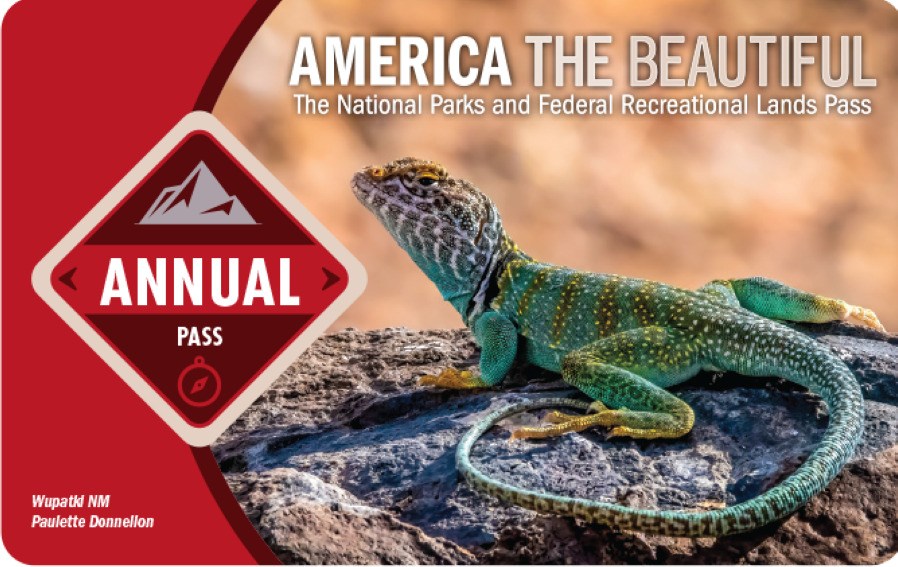
That “Federal Recreational Lands” part matters more than most people realize. This pass covers a lot more than just national parks.
Federal Agencies That Honor the Pass
- National Park Service (NPS) — all 63 national parks, plus monuments, seashores, historic sites, and more
- U.S. Forest Service (USFS) — national forests and grasslands
- Bureau of Land Management (BLM) — vast swaths of public land across the West
- U.S. Fish & Wildlife Service (USFWS) — wildlife refuges
- Bureau of Reclamation — reservoirs and recreation areas
- U.S. Army Corps of Engineers — lakes and water recreation sites
What the Pass Covers at Entry
Depending on how a site charges for entry, your pass works one of three ways:
- Per-vehicle sites: Covers the pass holder and all passengers in a single, non-commercial vehicle
- Per-motorcycle sites: Covers the pass holder and passengers on up to two motorcycles (new for 2026!)
- Per-person sites: Covers the pass holder plus up to three additional adults (16+); children 15 and under always enter free
New in 2026: You must now show a valid government-issued photo ID alongside your pass at every site. Don’t leave home without it.
Does the America the Beautiful Pass Cover State Parks? (The #1 Question We Get)
No — and this is the single most common misconception about the pass.
The America the Beautiful Pass covers federally managed lands only. State parks, county parks, and city parks are managed by state or local governments and have their own separate fee systems. The federal pass does not work at any of them.
Here’s a quick breakdown of what’s in and what’s out:
| Site Type | Covered by Pass? |
|---|---|
| National Parks (NPS) | Yes |
| National Forests (USFS) | Yes |
| BLM Recreation Areas | Yes |
| National Wildlife Refuges | Yes |
| Army Corps of Engineers sites | Yes |
| State Parks | No |
| County or City Parks | No |
| Privately operated attractions | No |
| Camping fees (at any site) | No |
| Concessionaire services (shuttles, tours) | No |
| Parking at some sites (e.g., Mt. Rushmore) | No |
If you’re planning a trip that mixes national parks and state parks — for example, visiting Zion (federal) and Snow Canyon State Park (state) in Utah — you’ll need to budget for state park entry separately. Most states offer their own annual pass worth looking into if you visit frequently.
2026 Pricing: What Does the Pass Cost Now?
| Pass Type | Eligibility | Cost |
|---|---|---|
| Annual Pass — U.S. Residents | U.S. citizens & permanent residents | $80 |
| Annual Pass — Non-Residents | All others | $250 (new in 2026) |
| Senior Annual Pass | U.S. residents 62+ | $20 |
| Senior Lifetime Pass | U.S. residents 62+ | $80 |
| Military Annual Pass | Active duty U.S. military & dependents | Free |
| Military Lifetime Pass | Veterans & Gold Star Families | Free |
| Access Pass | U.S. residents with permanent disabilities | Free |
| 4th Grade Pass | U.S. 4th graders | Free |
| Volunteer Pass | 250+ hours at federal lands | Free |
Key Details on Each Pass
Annual Pass (U.S. Residents): The standard $80 pass is the best deal in outdoor recreation for Americans. It now comes in both physical and digital format at no extra cost — more on that below.

Annual Pass (Non-Residents): Starting January 1, 2026, international visitors pay $250 for an annual pass, up from $80. Non-residents without a pass also face a new $100-per-person surcharge at 11 of the most visited parks. The $250 annual pass waives that surcharge entirely, so for most international visitors planning multiple park visits, it still pays for itself quickly.
Senior Lifetime Pass: At $80 for life, this is arguably the best value of any federal recreation pass ever created. If you’re 62 or older and haven’t gotten one yet, stop reading and go get one.
Military Passes: Active duty service members and dependents can show a Common Access Card (CAC) or Military ID (Form 1173) to receive a free annual pass. Veterans and Gold Star Family members qualify for a free lifetime pass.
Access Pass: Available to U.S. citizens and permanent residents with a permanent disability. Also provides up to a 50% discount on amenity fees like camping and swimming at participating federal sites.
4th Grade Pass: Covers the 4th grader and all accompanying passengers in a vehicle — so the whole family gets in free. Valid from September 1 of the 4th grade year through August 31 of the following year.
The $100 Non-Resident Surcharge: Which Parks Are Affected?
As of January 1, 2026, non-U.S. residents who don’t have an annual pass pay an additional $100 per person (ages 16+)on top of the standard entrance fee at 11 specific parks:
- Acadia National Park (Maine)
- Bryce Canyon National Park (Utah)
- Everglades National Park (Florida)
- Glacier National Park (Montana)
- Grand Canyon National Park (Arizona)
- Grand Teton National Park (Wyoming)
- Rocky Mountain National Park (Colorado)
- Sequoia & Kings Canyon National Parks (California)
- Yellowstone National Park (Wyoming/Montana/Idaho)
- Yosemite National Park (California)
- Zion National Park (Utah)
That means an international visitor without a pass could pay $135 just to enter one park ($35 standard fee + $100 surcharge). The $250 non-resident annual pass eliminates the surcharge and covers all 2,000+ federal sites for a full year.
Where & How to Get Your Pass in 2026
Option 1: Digital Pass via Recreation.gov (Recommended)
This is brand new for 2026 and the fastest way to get your pass. All pass types — Annual, Military, Senior, 4th Grade, and Access — are now available in fully digital format through Recreation.gov.
Once purchased, you can:
- Save it to your Apple or Google Wallet for instant tap-to-show access
- Store it in the Recreation.gov mobile app
- Link it to a physical card if you also want something tangible
There’s no shipping fee with the digital version, and you can use it immediately — no waiting. This is the move for anyone with a trip coming up soon.
Tip for low-connectivity parks: Download your pass as a PDF or save it to your wallet before you leave cell range. Don’t count on having signal at a remote entrance station.
Option 2: In-Person at a Federal Recreation Site
Buying in person is the best way to support the parks directly. All entrance fee revenue stays within the National Park Service, with at least 80% staying at the specific park where it was collected. If you have a favorite park, buying your pass there is a direct investment in its maintenance and visitor services.
Find a nearby location using the NPS Pass Issuance List. Bring documentation if you’re picking up a specialty pass (military ID, proof of disability, etc.).
Required for specialty passes: Senior, Access, Military, and Volunteer passes must be obtained in person or via mail with documentation. These cannot be purchased digitally at this time, though they can be converted to digital format once issued.
Option 3: Mail Order via USGS
Order a physical pass at the USGS Online Store. Allow up to three weeks for delivery, and note that a $7.50 shipping and handling fee now applies to mailed physical passes. Your order receipt cannot be used in place of the actual pass.
Option 4: Authorized Resellers (REI, AllTrails, etc.)

REI sells the pass online and in stores with faster shipping than USGS. REI donates 10% of pass sale proceeds to the National Park Foundation, the National Forest Foundation, and the U.S. Endowment for Forestry & Communities. (Affiliate link — we earn a small commission at no extra cost to you.)
You can also grab an AllTrails+ and America the Beautiful Pass bundle at a discount — a smart combo for hikers who want offline trail maps alongside park access. AllTrails donates 1% of annual revenue to outdoor access organizations. (Affiliate link.)
NPS Official vs. Reseller: Does It Matter Where You Buy?
This is a question we see constantly, and the answer depends on your priorities.
| NPS / Recreation.gov | USGS Online Store | Authorized Reseller (REI, etc.) | |
|---|---|---|---|
| Pass is identical | Yes | Yes | Yes |
| Digital option available | Yes — instant | Physical only | Physical only |
| Shipping fee | None (digital) | $7.50 | Varies |
| Revenue goes to parks | 100% | 100% | Partial |
| Conservation donation | — | — | REI donates 10% to park foundations |
| Specialty passes available | In-person required | Yes | No |
Bottom line: The pass itself is identical no matter where you buy it — same card, same access, same coverage. The difference is in where the money flows and how fast you get it.
- If you want instant access: Buy digital at Recreation.gov.
- If you want maximum money going directly to parks: Buy in person at your favorite park.
- If you want a physical pass with a conservation bonus: REI is a solid choice.
- If you’re getting a Senior, Military, or Access pass: You must go through USGS or in person — resellers don’t carry these.
2026 Fee-Free Days (U.S. Residents Only)
There are 10 fee-free entrance days in 2026 — up from six in previous years. Beginning in 2026, these days are for U.S. residents only. Non-residents pay standard entrance fees and any applicable surcharges on these dates.
| Date | Occasion |
|---|---|
| February 16 | Presidents Day |
| May 25 | Memorial Day |
| June 14 | Flag Day |
| July 3–5 | Independence Day weekend |
| August 25 | NPS Birthday (110th Anniversary) |
| September 17 | Constitution Day |
| October 27 | Theodore Roosevelt’s Birthday |
| November 11 | Veterans Day |
A note on crowds: Fee-free days at popular parks — especially Yellowstone, Zion, Grand Canyon, and Rocky Mountain — get extremely crowded. Consider visiting the day before or after. And if you already have the $80 annual pass, fee-free days are irrelevant to you anyway.
Is the America the Beautiful Pass Worth It in 2026?
For U.S. residents, the math hasn’t changed:
| Park | Entry Fee (Per Vehicle) |
|---|---|
| Yellowstone National Park | $35 |
| Grand Teton National Park | $35 |
| Grand Canyon National Park | $35 |
| Yosemite National Park | $35 |
| Zion National Park | $35 |
| Rocky Mountain National Park | $35 |
| Glacier National Park | $35 |
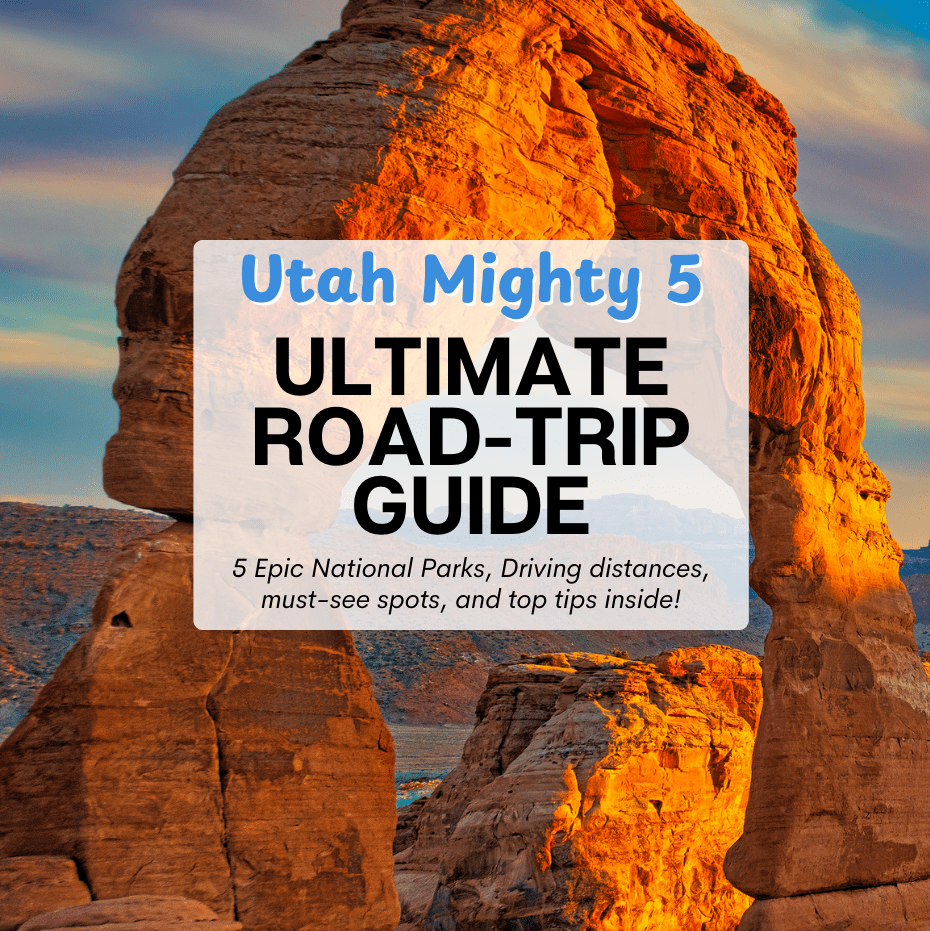
Three park visits = $105. The pass costs $80. You come out ahead on visit three, and every park after that is free.
For a multi-park road trip, the savings are even more dramatic. A Southwest Utah loop hitting Zion, Bryce Canyon, Canyonlands, and Arches runs $140 in entrance fees without the pass.
Planning a road trip across multiple parks? Check out our guide to The 5 Best Multi-National Park Road Trips to build your route.
For Non-Residents: Run the Numbers
With the new $250 non-resident price, the break-even point is higher — but the surcharge math changes everything. If you’re visiting even two surcharge parks (each $35 entry + $100 per person), the $250 pass pays for itself before your third stop.
Tips for Maximizing Your Pass
Go digital first. Buy instantly on Recreation.gov and save to your wallet — no shipping fee, no waiting, works immediately.
Always carry your photo ID. A new 2026 requirement at every site. Pack it every trip.
Download before you go offline. Many parks have zero cell service. Save your digital pass to your wallet or cache it in the Recreation.gov app before you leave range.
Motorcyclists: you now get two bikes per pass. This is brand new in 2026. No more paying separate entry for your riding partner.
Stack the Senior and Access Pass discounts. Both passes offer 50% off camping at many federal sites — a significant add-on value that most people overlook.
Plan your road trip around the pass, not around the fees. With the pass, the marginal cost of adding another park drops to zero. Use it as permission to be ambitious with your route.
Book ahead at high-traffic parks. Having a pass doesn’t exempt you from timed-entry reservation systems at parks like Rocky Mountain. Always check the park’s website before you go.
Visiting Yellowstone this year? Our Yellowstone Road Openings 2026 guide covers exactly when each road opens and how to plan an early-season itinerary.
Hidden Gems to Use Your Pass
Most people associate the pass with Yosemite and the Grand Canyon, but it unlocks some incredible under-the-radar destinations with a fraction of the crowds:
Organ Pipe Cactus National Monument (Arizona) — Raw Sonoran Desert scenery. Wildlife everywhere. Almost no one there.
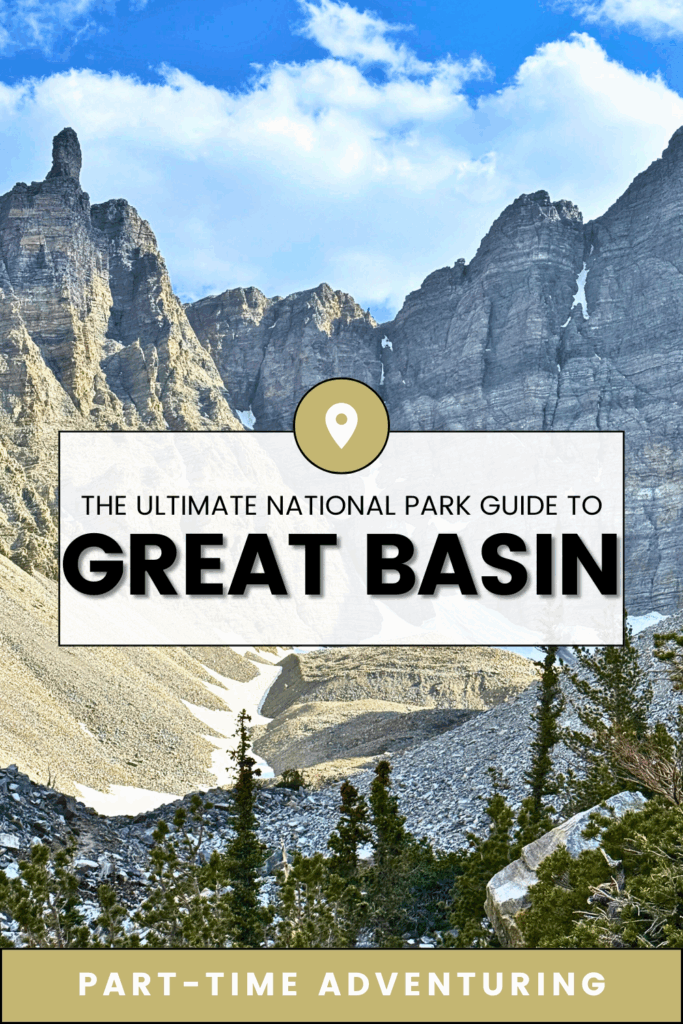
Great Basin National Park (Nevada) — Ancient bristlecone pines, a spectacular cave system, and some of the darkest skies in the country for stargazing.
Bisti/De-Na-Zin Wilderness (New Mexico) — BLM land that looks like another planet. Otherworldly hoodoos and zero cell service.
Red Rock Canyon National Conservation Area (Nevada) — World-class hiking and climbing just 30 minutes from Las Vegas. Covered by the pass, consistently overlooked.
Craters of the Moon National Monument (Idaho) — Volcanic landscapes unlike anything else in the lower 48, with almost no crowds.
Looking for more off-the-beaten-path ideas? See how to Avoid Crowds at National Parks for timing strategies and under-visited alternatives at every major park.
Extended FAQ: Everything Else You’re Searching For
Does the $80 America the Beautiful Pass cover state parks?
No. The pass only covers federally managed lands — national parks, national forests, BLM areas, wildlife refuges, and Army Corps of Engineers sites. State parks are managed independently by each state and require their own fee or annual pass. If you visit state parks frequently, check whether your state offers its own annual pass.
Can I use my phone for the America the Beautiful Pass in 2026?
Yes — this is brand new for 2026. All pass types are now available digitally through Recreation.gov. Once purchased, save it to your Apple or Google Wallet or the Recreation.gov app. Download it before heading somewhere without cell service.
Should I buy from the official NPS site or an authorized reseller like REI?
Both are legitimate — the pass itself is identical. Buy digital through Recreation.gov for instant access with the full price going to federal recreation. Buy through REI if you want a physical pass shipped with their 10% conservation donation on top. Avoid any site not officially recognized by NPS as an authorized reseller.
Does the America the Beautiful Pass cover camping?
No. Camping fees are separate at all federal sites. However, Senior Pass and Access Pass holders receive up to a 50% discount on camping at many participating federal campgrounds — a significant perk if you qualify.
Is the America the Beautiful Pass transferable?
No. The pass is non-transferable and non-refundable. Only the person whose name is signed on the pass can use it, and they must be present with a matching photo ID. However, that pass holder can bring their entire vehicle’s worth of passengers at per-vehicle sites.
What happens if I lose my pass?
It cannot be replaced. The NPS treats it like cash — if it’s gone, you buy a new one. This is another strong argument for going digital: a pass stored in your wallet can’t be left in a hot car or lost at a trailhead.
Does the pass work at national monuments and recreation areas — not just national parks?
Yes. The pass works at all NPS-managed sites that charge an entrance fee — national monuments, national recreation areas, national seashores, national historic parks, and more. Coverage is much broader than “just national parks.”
Do I need a reservation even if I have the pass?
At some parks, yes. Several high-traffic parks use timed-entry reservation systems through Recreation.gov during peak season. Your pass covers the entry fee but not the reservation slot. Always check the specific park’s website before visiting in summer.
How long is the pass valid?
The pass is valid for 12 months from the month of purchase, not from the date. So if you buy it in June, it’s valid through the last day of June the following year — giving you a few extra days beyond a strict 365-day window
.Can I use the pass for more than one vehicle?
No. At per-vehicle sites, the pass covers one non-commercial vehicle only. If you’re caravanning in two cars, only the vehicle with the pass gets free entry. Plan your group accordingly.
Does the pass cover the Great Smoky Mountains?
Great Smoky Mountains National Park doesn’t charge an entrance fee, so there’s nothing for the pass to cover. However, the park does charge a parking tag fee at most pull-offs and trailheads — and the America the Beautiful Pass does not cover that. Budget $5/day or $15/week for the parking tag if you’re visiting.
Is there a family pass option?
There is no separate “family pass.” The standard annual pass effectively functions as one at per-vehicle sites, since it covers everyone in your vehicle. For per-person sites, the pass holder plus three additional adults are covered, and children 15 and under always enter free.
Why the America the Beautiful Pass Is Worth It — Full Stop
- Massive savings for anyone visiting more than two or three fee-charging parks in a year
- Now fully digital — instant access, no shipping, works from your phone
- Motorcycle coverage now included — two bikes per pass
- Covers 2,000+ sites across six federal agencies — far more than just national parks
- Supports conservation — in-person purchases send 80% of funds directly to the park where they’re collected
- Flexibility — valid for 12 months from purchase, no blackout dates, no reservation required just to enter
Ready to Get Your Pass?
Get the digital pass instantly on Recreation.gov
Then start planning where you’ll go. Our Multi-National Park Road Trips guide will help you build a route worth every mile. If the crowds at major parks have burned you before, our guide to avoiding crowds at national parks covers timing and under-visited alternatives at every major destination. And if Yellowstone is on your list this year, our Yellowstone Road Openings 2026 guide walks through exactly when each road opens and how to plan before peak season hits.