Last Updated on June 10, 2026 by Melissa
Yellowstone National Park is one of the most geologically fascinating and ecologically diverse places in the world. Located mainly in Wyoming and stretching into Montana and Idaho, it’s America’s first national park—and with good reason. Beneath the surface lies a massive supervolcano fueling over 10,000 hydrothermal features, including geysers, hot springs, mud pots, and fumaroles. Yellowstone hosts half of the world’s active geysers, spread across its vast 3,472 square miles.
But Yellowstone isn’t just about geology. It’s also a wildlife haven. From roaming bison and elk herds to elusive wolves and powerful grizzlies, it remains one of the best places in the Lower 48 to see animals thriving in their natural habitats.
Most people say you can’t see all of Yellowstone in a single weekend. We disagree. With the right plan, early starts, and curiosity, you absolutely can. We did it—and here’s how you can too.
This blog posts uses affiliate links, meaning I make a small commission when you shop through the links at no extra cost to you.
Planning Tips for a Weekend in Yellowstone
- Stay inside the park if you can. Yellowstone has over 2,000 hotel rooms and 2,000 campsites across its lodges and campgrounds. Staying inside saves you hours of driving.
- Understand the park’s size. Yellowstone is huge. It can take hours to drive from one region to another, so plan your route based on park sections.
- Pack snacks and food. Stock up before heading into the park to save money and time. Dining is available inside the park.
- Gas up in advance. There are gas stations in the park, but it is best to come into the park with a full tank.
- Expect traffic delays. Wildlife jams and slow drivers are common. Add buffer time to every drive.
- Start early. Sunrise is the best time to see wildlife and beat the crowds to popular stops.
Yellowstone National Park Entrances Explained
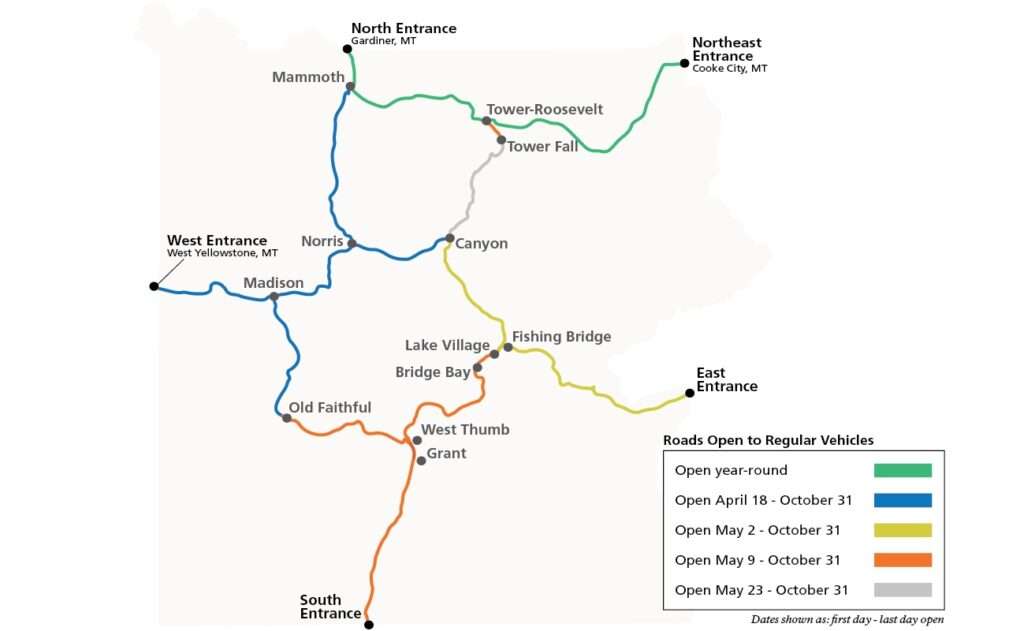
Yellowstone National Park Entrances Explained
Choosing your entrance strategically can save hours of driving and shape your itinerary:
| Entrance | Location | Highlights & Tips |
|---|---|---|
| North Entrance | Gardiner, MT | Only year-round vehicle entrance. Closest to Mammoth Hot Springs and Fort Yellowstone. Good for access to Lamar Valley via Tower-Roosevelt. Gardiner town offers lodging and dining. |
| Northeast Entrance | Cooke City, MT | Gateway to Lamar Valley and Tower-Roosevelt, prime wildlife areas. Beartooth Highway access (open mid-May to mid-Oct). Limited services; plan carefully. |
| East Entrance | Cody, WY | Leads to Fishing Bridge and Yellowstone Lake. Scenic 1.5–2 hour drive with Wild West charm. Good for trips combining Yellowstone with Black Hills or Mount Rushmore. |
| South Entrance | Jackson, WY | Connects to Grand Teton National Park. Best for Yellowstone Lake, West Thumb Geyser Basin, and the Lower Loop. About 1.5 hours to West Thumb from Jackson. |
| West Entrance | West Yellowstone, MT | Busiest summer entrance. Closest to Madison Junction, Old Faithful, and the Lower Loop. Town offers lodging and dining but expect heavy summer traffic. |
Understanding Yellowstone’s Road System
The Grand Loop Road is a 142-mile paved highway forming a figure-8 connecting the park’s major attractions:
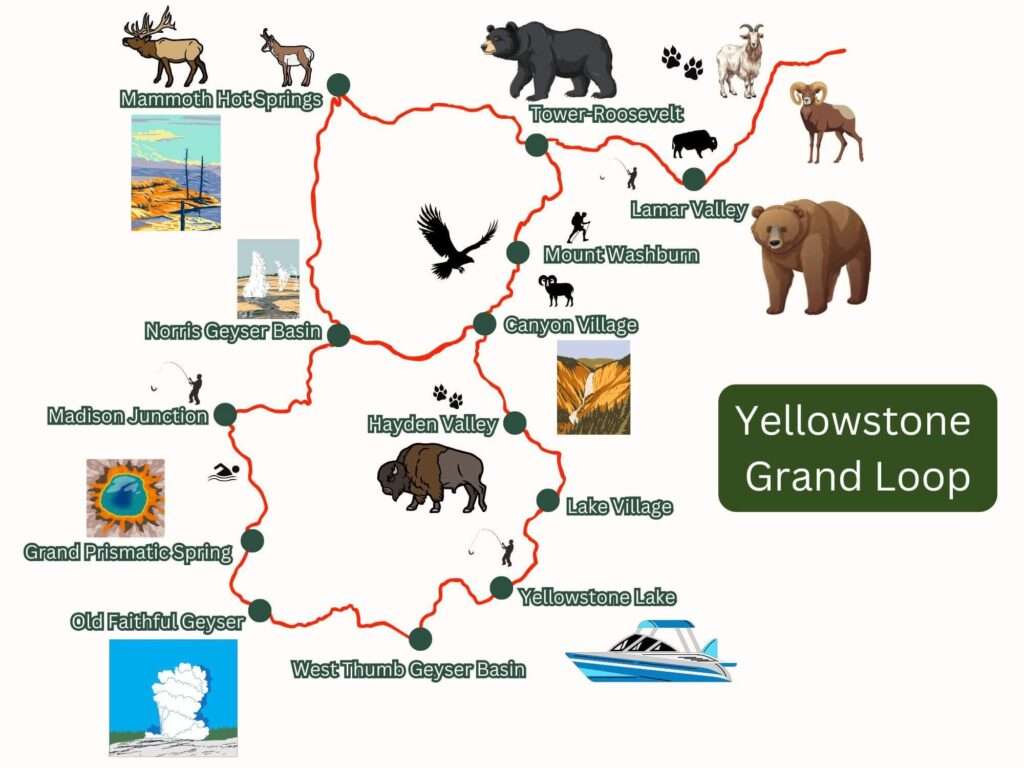
- Upper Loop: Mammoth → Tower → Norris → Canyon → Mammoth
- Lower Loop: Canyon → Hayden Valley → Yellowstone Lake → West Thumb → Old Faithful → Madison → Canyon
Drive times:
- Each loop alone takes about 2.5 hours without stops.
- Driving the full loop non-stop is about 4 hours.
- Distances between junctions typically range from 30 to 60 minutes.
- Delays from wildlife jams and construction are common.
Roads open seasonally, generally from mid-April to early November. The North and Northeast Entrances stay open year-round.
In-Park Lodging (by Area)
Yellowstone National Park Lodges operates nine lodges with over 2,000 rooms and cabins:
- Mammoth Hot Springs: Mammoth Hotel & Cabins (historic), Roosevelt Lodge Cabins (rustic)
- Old Faithful Area: Old Faithful Inn (iconic), Old Faithful Lodge Cabins, Old Faithful Snow Lodge (year-round)
- Canyon Village: Canyon Lodge & Cabins (~500 rooms/cabins)
- Yellowstone Lake: Lake Hotel (historic), Lake Lodge Cabins (rustic)
- Grant Village (West Thumb/Lake): Grant Village Lodge (~300 rooms)
Developed Campgrounds (by Area)
Yellowstone has 11–12 front-country campgrounds managed by either Yellowstone Lodges (Xanterra) or the National Park Service:
- Xanterra-Operated (reservations required):
Bridge Bay (431 sites), Canyon (272 sites), Fishing Bridge RV Park (310 RV sites), Grant Village (429 sites), Madison (276 sites) — all with full amenities. - NPS-Managed (first-come, first-served, some reservable):
Indian Creek (~70 sites), Lewis Lake (~84 sites), Mammoth (~85 sites, year-round), Norris (~111 sites), Pebble Creek (~27 sites), Slough Creek (~16 sites), Tower Fall (~31 sites) — mostly vault toilets, Mammoth has flush toilets.
Lodging & Campgrounds by Area at a Glance
| Area | Lodging | Campgrounds |
| Mammoth / North | Mammoth Hotel & Cabins, Roosevelt Lodge Cabins | Mammoth CG (year-round) |
| Old Faithful | Old Faithful Inn, Lodge Cabins, Snow Lodge | None nearby (camp at Madison, Canyon, Grant) |
| Canyon Village | Canyon Lodge & Cabins | Canyon CG |
| Yellowstone Lake | Lake Hotel, Lake Lodge Cabins, Grant Village Lodge | Bridge Bay, Grant CG, Lewis Lake CG |
| West Thumb / Lake | Grant Village Lodge | Indian Creek CG (south of lake) |
| Madison Junction | No lodging | Madison CG |
| Norris Geyser Basin | None | Norris CG |
| Tower / Lamar | Roosevelt Lodge (cabins) | Pebble Creek, Slough Creek, Tower Fall CGs |
| Fishing Bridge | None | Fishing Bridge RV Park |
Best Places to Stay for a Weekend in Yellowstone
For a weekend visit, Norris or Canyon Village are ideal due to their central location. They provide easier access to both the Upper Loop (Mammoth, Lamar Valley, Tower-Roosevelt) and Lower Loop (Old Faithful, Grand Prismatic Spring, Yellowstone Lake), reducing driving time and allowing a flexible itinerary.
We stayed at Grant Village Campground out of necessity—it was the only available option when we booked. While Grant Village offers a great setting, staying there requires longer daily drives. Plan accordingly if your lodging is less central.
Major Park Regions & Must-See Sights
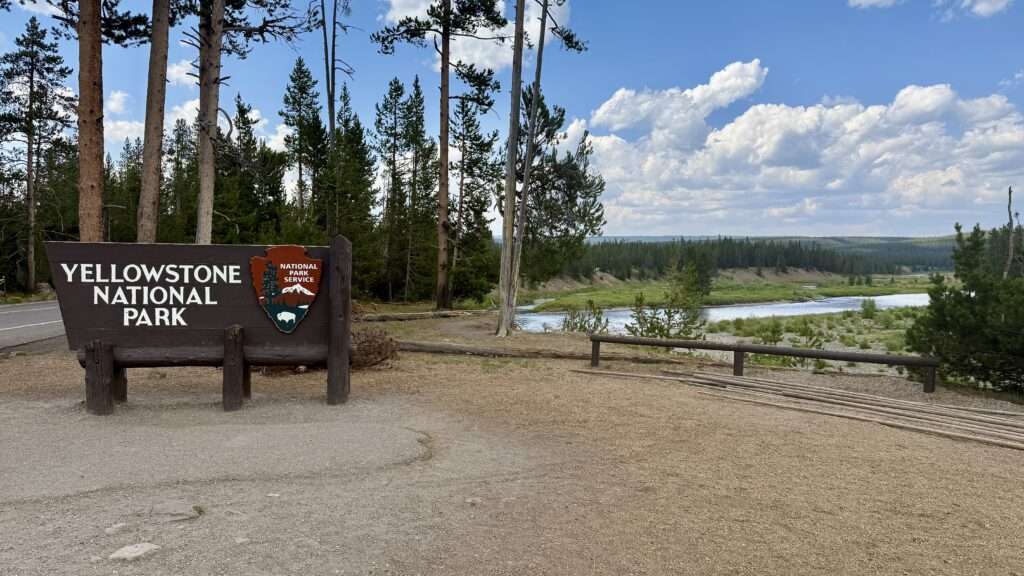
Old Faithful & Upper Geyser Basin
Home to around 500 geysers, including the iconic Old Faithful, erupting about every 90 minutes. Walk the boardwalks to explore colorful pools, steaming vents, and mineral formations. Allow 2–3 hours.
Midway & Lower Geyser Basins
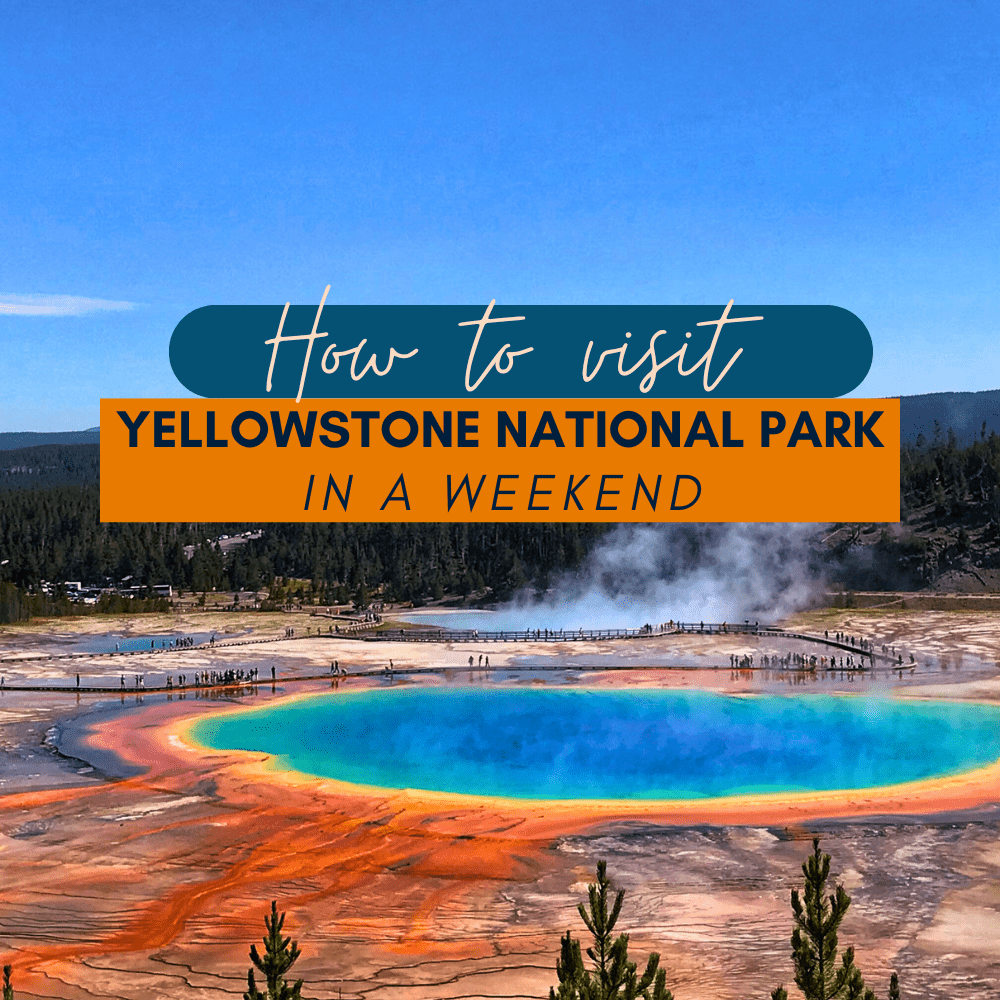
Visit the Grand Prismatic Spring, the largest hot spring in the U.S., famous for its rainbow colors. Nearby, the Fountain Paint Pot area features bubbling mud pots and steaming fumaroles. Hike the Grand Prismatic Overlook Trail for aerial views.
West Thumb Geyser Basin
Thermal pools along Yellowstone Lake’s edge, including the unique underwater geyser Fishing Cone. A boardwalk loop makes for an easy visit.
Yellowstone Lake & Fishing Bridge
The largest high-altitude lake in the continental U.S., offering scenic drives and birdwatching. The Fishing Bridge area is great for wildlife viewing.
Hayden Valley
A prime wildlife corridor best visited at dawn or dusk to see bison, elk, wolves, and bears.
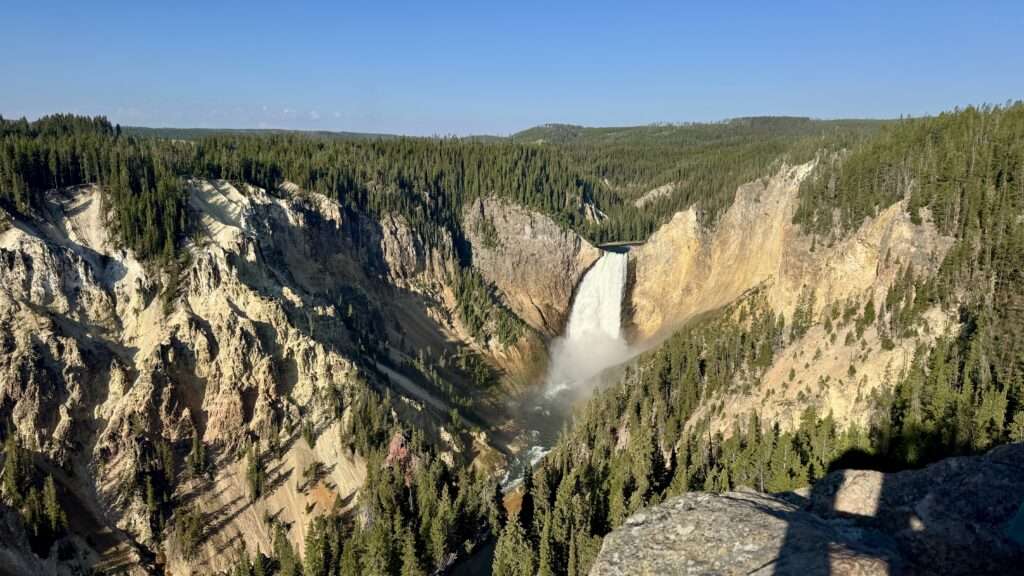
Grand Canyon of the Yellowstone
Features breathtaking waterfalls like Upper and Lower Falls. Iconic viewpoints include Artist Point, Lookout Point, and Inspiration Point.
Norris Geyser Basin
The hottest geothermal area in the park, home to Steamboat Geyser, the world’s tallest active geyser. Explore the Porcelain Basin and Back Basin trails for striking thermal features.
Mammoth Hot Springs
Known for its white-and-orange travertine terraces and historic Fort Yellowstone. Elk often graze nearby.
Tower-Roosevelt & Lamar Valley
See the 132-foot Tower Fall near Tower-Roosevelt. Lamar Valley, called the “Serengeti of North America,” is Yellowstone’s richest wildlife area—especially for wolves, bison, and grizzlies.
Yellowstone Summary Chart: What to See in Each Region
| Region | Top Sights |
|---|---|
| Old Faithful & Upper | Old Faithful, Morning Glory Pool, Grand Geyser, Castle Geyser |
| Midway/Lower Geyser | Grand Prismatic Spring, Grand Prismatic Overlook Trail, Fountain Paint Pot |
| West Thumb Geyser | Fishing Cone, colorful lakeside hot springs |
| Yellowstone Lake | Scenic drives, Fishing Bridge, waterfowl viewing |
| Hayden Valley | Wildlife viewing: bison, elk, bears, wolves |
| Grand Canyon of Yellowstone | Artist Point, Upper & Lower Falls, Lookout Point |
| Norris Geyser Basin | Steamboat Geyser, Porcelain Basin |
| Mammoth Hot Springs | Travertine terraces, elk herds, Fort Yellowstone |
| Tower-Roosevelt/Lamar | Tower Fall, Lamar Valley wildlife |
How to Prioritize What to see in Yellowstone
Essential Experiences
- Old Faithful & Upper Geyser Basin: Old Faithful eruption, main geyser basins and boardwalks
- Midway Geyser Basin: Grand Prismatic Spring
- Lamar Valley: Premier wildlife viewing, especially wolves, bison, and bears
- Norris Geyser Basin: Steamboat Geyser and main boardwalk trails
Worth Exploring
- Grand Canyon of the Yellowstone: Artist Point, Lower Falls, Lookout Point, and hiking trails
- Mammoth Hot Springs: Terraced travertine formations and historic Fort Yellowstone
- Tower-Roosevelt: Tower Fall waterfall and quieter wildlife viewing areas
- West Thumb Geyser Basin: Thermal pools on the lake’s edge and Fishing Cone geyser
Bonus Stops
- Hayden Valley: Wildlife viewing at dawn/dusk (bison, elk, wolves)
- Yellowstone Lake & Fishing Bridge: Scenic drives, birdwatching, and lake shoreline exploration
- Midway & Lower Geyser Basins: Fountain Paint Pot and other thermal features
- Norris Geyser Basin: Side trails to acidic springs and unique geothermal spots
- Mammoth Hot Springs: Nearby hiking trails and elk watching in quieter seasons
Lesser-Known Attractions
- Artists’ Paintpots: Less visited geothermal area near Norris Geyser Basin, with colorful mud pots and fewer crowds.
- Pebble Creek and Slough Creek Campgrounds and Trails: In Lamar Valley, these provide quieter hiking and wildlife viewing.
- Beaver Ponds Loop Trail: Near Tower Junction, a moderate hike through forest and meadow with fewer visitors.
Here’s the full combined block ready to copy and paste:
How to Structure Your Yellowstone Weekend
Yellowstone is one of the biggest national parks in the country — but we’ve done it in a weekend, and you can too. The secret is treating the park like what it actually is: a giant figure-8. Split the two loops across two days, pick your starting point based on where you’re coming from, and commit to early mornings.
The Two-Loop Split
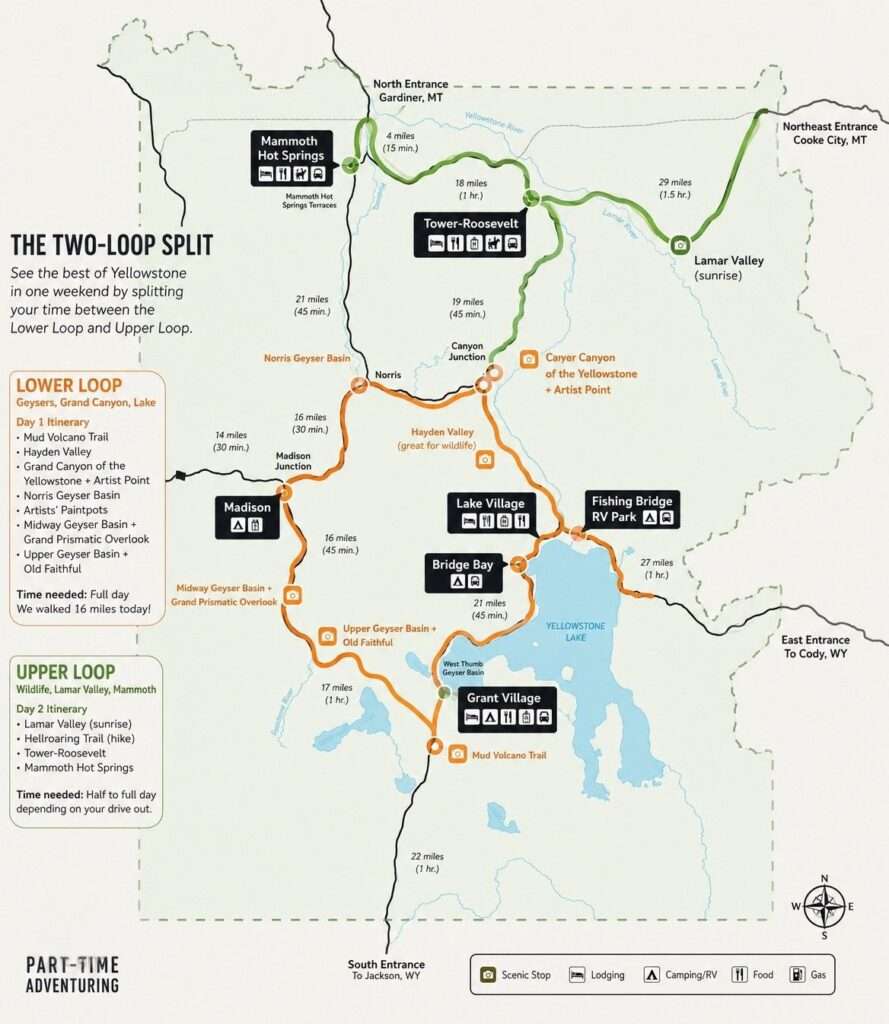
Lower Loop — geysers, grand canyon, lake Upper Loop — wildlife, Lamar Valley, Mammoth
The two loops meet at Canyon Junction in the middle of the park. Most people naturally do one loop per day, and that’s exactly what we did. It works.
Day 1: Lower Loop
Start before sunrise if you can. Drive along Yellowstone Lake first while it’s quiet, then work your way north through the park as the day picks up.
Stops in order:
- Mud Volcano Trail
- Hayden Valley (great for wildlife — go early before the fog burns off)
- Grand Canyon of the Yellowstone + Artist Point — don’t skip Artist Point, the Lower Falls view is one of the best in the park
- Norris Geyser Basin
- Artists’ Paintpots — less crowded than Norris and worth the short detour
- Midway Geyser Basin + Grand Prismatic Overlook
- Upper Geyser Basin + Old Faithful to close out the day
Time needed: Full day. We walked 16 miles on this day alone — wear comfortable shoes and bring snacks.
Day 2: Upper Loop
Set your alarm earlier than you think you need to. Seriously.
Stops in order:
- Lamar Valley at sunrise — this is non-negotiable if wildlife is anywhere on your list. Wolves, bison, bears — Lamar Valley is where it happens, and it happens early
- Hellroaring Trail if you want to add a hike — it’s short but dramatic, dropping into a steep canyon with suspension bridge views
- Tower-Roosevelt — worth a quick stop for Tower Fall and the quieter, old-west feel of this corner of the park
- Mammoth Hot Springs — end here before heading out. The travertine terraces are unlike anything else in Yellowstone
Time needed: Half to full day depending on how far you’re driving out.
Where to Base Yourself
Where you stay affects everything — it determines which loop you tackle first and how much driving you’re doing at the start and end of each day.
| If you enter from… | Best base | Start with… |
|---|---|---|
| South (Jackson) | Grant Village | Lower Loop Day 1 |
| West (West Yellowstone) | Madison area | Old Faithful Day 1 |
| North (Gardiner) | Mammoth area | Upper Loop Day 1 |
We stayed at Grant Village Campground coming up from the south, which put us perfectly positioned for the Lower Loop on Day 1.
Quick Time Estimates
- Old Faithful + Upper Geyser Basin: 2–3 hrs
- Grand Prismatic Overlook + Midway: 1.5–2 hrs
- Grand Canyon of the Yellowstone: 1.5–2 hrs
- Norris Geyser Basin: 1–1.5 hrs
- Lamar Valley wildlife drive: 1–2 hrs (more if you spot wolves)
- Mammoth Hot Springs: 1 hr
The Bottom Line
You have to go, go, go. Early starts and minimal lingering are what make a Yellowstone weekend actually work. We were moving from before sunrise to after sunset both days — and we’d do it again in a heartbeat.
Dining Options Inside Yellowstone National Park
Restaurants and Cafeterias
- Old Faithful Inn Dining Room: Historic setting with upscale American cuisine. Reservations recommended, especially for dinner.
- Old Faithful Snow Lodge Dining & Cafeteria: Casual, quick meals, grab-and-go options.
- Canyon Lodge Dining Room: Hot meals including hearty breakfasts and dinners; cafeteria also available.
- Grant Village Dining Room: Full-service dining with lake views.
- Roosevelt Lodge Corral Dining: Rustic Western burgers, BBQ, and shakes near Tower-Roosevelt.
Grocery and Convenience Stores
- General stores at major lodge areas sell snacks, beverages, camping supplies, and groceries.
- Camp stores at Madison and Bridge Bay provide essentials and prepared foods.
Quick Meals and Picnics
- Bring your own food for flexibility, especially if you want to picnic or eat on the go.
- Several picnic areas like Madison Picnic Area and Fishing Bridge are perfect for quick lunches.
- Cafeterias and camp stores offer sandwiches, salads, and snacks for grab-and-go meals.
How to Avoid Crowds in Yellowstone
Yellowstone is one of the most visited national parks in the U.S., especially during summer weekends. Smart planning can help you avoid the busiest times and enjoy a more peaceful experience.
Timing Strategies
- Start Early and Stay Late: Arriving at popular spots like Old Faithful or Grand Prismatic Spring before 7 a.m. or after 6 p.m. helps you avoid peak crowds.
- Visit Popular Areas Midweek: If your schedule allows, weekdays are less crowded than weekends.
- Avoid Peak Season: Late May to mid-June and September offer fewer visitors while still having open roads and good wildlife viewing.
Tips for Visiting Popular Sites Off-Peak
- Plan Your Visits to Old Faithful: Use the predicted eruption schedule to time your visit for less busy eruptions.
- Walk the Grand Prismatic Overlook Trail: the Grand Prismatic Overlook offers a far better view than the boardwalk below, which doesn’t show the full scale or colors.
- Use Alternative Routes: Enter or exit the park from different entrances to avoid traffic bottlenecks.
Yellowstone National Park Fees & Passes
Entrance Fees
- Private Vehicle: $35 per vehicle for a 7-day pass.
- Motorcycle: $30 for 7 days.
- Individual (foot, bike, ski): $20 for 7 days.
- Annual Pass: The America the Beautiful Pass ($80/year) grants access to all national parks, including Yellowstone.
Parking Tips
- Arrive Early: Parking fills up quickly at popular spots like Old Faithful and Canyon Village. Arriving early helps secure a spot.
- Park Once, Walk or Bike: Many geyser basins have extensive boardwalks. Parking once and exploring on foot can save time and avoid multiple parking searches.
How to Plan if Staying Outside the Park
While staying inside Yellowstone is ideal, it’s often necessary to lodge outside due to limited availability. Here’s how to make the most of it:
Nearby Gateway Towns for Yellowstone National Park
- West Yellowstone, Montana: The closest town to the West Entrance. Offers many lodging, dining, and supply options. A 5–30 minute drive to major Lower Loop attractions. Can get crowded during peak season.
- Gardiner, Montana: At the North Entrance. Good for early access to Mammoth Hot Springs and Lamar Valley. Smaller, quieter than West Yellowstone.
- Cody, Wyoming: Near the East Entrance, about 1.5–2 hours from major attractions. Good for visitors combining Yellowstone with Grand Teton or the Bighorn Mountains.
- Jackson, Wyoming: Near the South Entrance and Grand Teton National Park. About 1.5 hours to Yellowstone’s southern regions. Bustling town with plenty of amenities.
Tips for Lodging Outside Yellowstone National Park
- Book Early: Gateway towns fill quickly during summer and holidays.
- Factor in Commute Times: Driving from towns like Cody or Jackson adds 1–2 hours each way. Plan accordingly to avoid losing daylight.
- Start Your Days Earlier: To maximize time in the park, plan to get on the road well before dawn when possible.
- Pack Snacks and Supplies: Since you’ll spend more time commuting, bringing meals and water reduces stops.
- Consider Splitting Stays: If your schedule allows, split your lodging between two towns to reduce daily driving times.
Final Thoughts
Yellowstone is massive—but with the right game plan, early starts, and smart routing, you can see just about everything in a weekend. We hit all the major regions, caught sunrise wildlife drives, saw multiple geyser eruptions, and fit in a few solid hikes. Was it a full schedule? Definitely. But it was 100% worth it.
If you’re tight on time, don’t let the size of the park scare you off. Stay as central as you can, plan ahead, and you’ll be shocked how much ground you can actually cover in just a few days.