Last Updated on May 17, 2026 by Melissa
National parks are more popular than ever. Timed-entry systems, social media hotspots, and post-pandemic travel have completely changed what it looks like to visit America’s most iconic landscapes. If you’re trying to avoid crowds at national parks, you don’t need vague advice — you need realistic strategies that actually work right now.
We’ve visited 54 national parks, and this guide breaks down exactly how we avoid crowds using timing, trail choice, mindset, and planning strategies we rely on every single trip. No fluff, no unrealistic expectations — just practical ways to experience national parks with fewer people around.
The Most Reliable Ways to Avoid Crowds at National Parks
1. Arrive Early — And Skip the Morning Coffee Stop
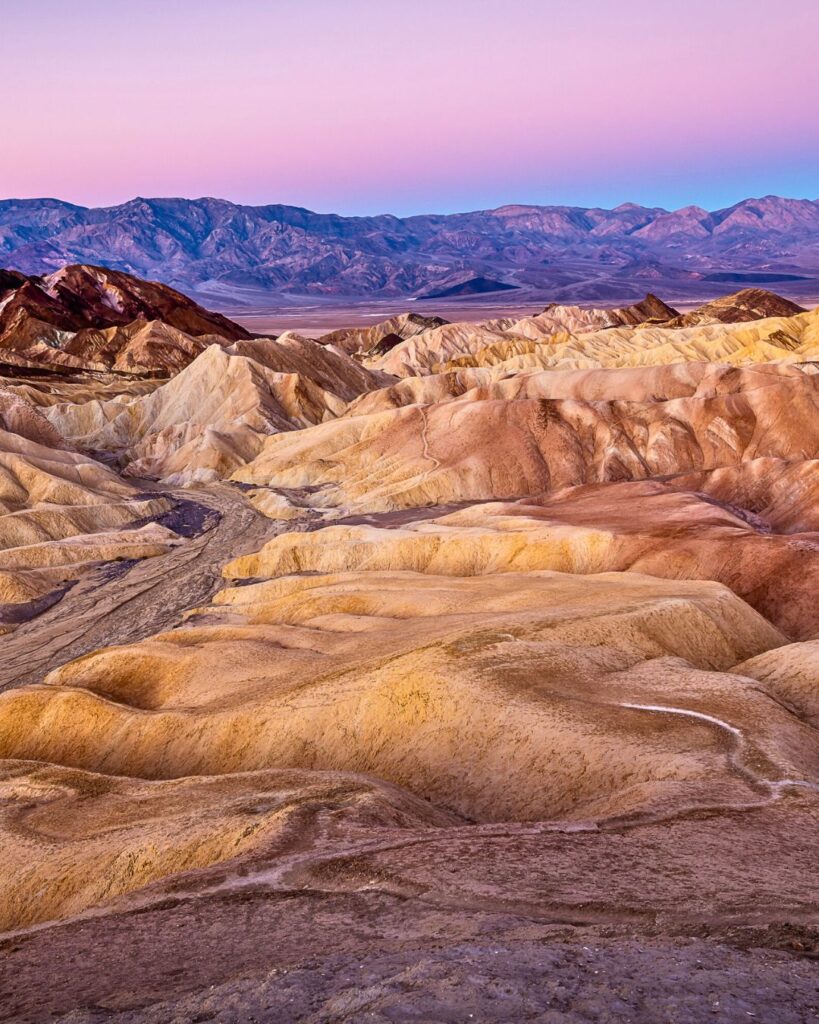
One of the most effective ways to avoid crowds at national parks is arriving earlier than most people are willing to. In many parks, the difference between arriving at 6:30 AM versus 9:00 AM is the difference between empty parking lots and complete gridlock.
Here’s the move most people overlook: skip the breakfast and coffee shop stop and eat where you’re staying. Most visitors spend 45 minutes to an hour on a morning food run before ever hitting the road. That window is exactly when trailheads are quiet, parking is wide open, and the morning light is at its absolute best.
We make breakfast at our campsite, hotel, or rental — and we’re on trail before most people have finished their first cup of coffee. It sounds simple, but it consistently gives us a significant head start on the day. We typically just get easy microwave breakfast meals from the grocery store and pack snacks for mid morning.
Why this works:
- Trailheads and viewpoints are quiet before the peak arrival window
- Parking is dramatically easier, even in the most high-demand parks
- Wildlife activity is higher and temperatures are cooler in the early hours
- You gain an hour or more that compounds across the entire day
2. Prioritize Popular Sights First
If a park has a “must-see” viewpoint or famous trail, make it your very first stop of the day — ideally at or just before sunrise. These areas fill up fast and stay packed until late afternoon.
Why this works:
- You experience the most iconic spots with a fractions of the crowds
- You free up the rest of your day to explore quieter, less-visited areas
Seeing the highlights early lets you spend the rest of the day where most visitors never go — and that’s usually where the real magic is.
3. Hike Longer, Harder Trails
Distance and elevation gain still filter crowds better than almost anything else. If you want to avoid crowds at national parks, look for hikes that are longer than five miles round-trip or have sustained elevation gain.
The math is simple: the harder the trail, the fewer people on it. Short, flat hikes attract the majority of visitors in any given park. Push past the first mile — especially on trails with real elevation — and the crowds drop off dramatically.
Why this works:
- Short, flat hikes attract the bulk of foot traffic in every park
- Crowds thin significantly after the first mile on most trails
- Challenging terrain naturally discourages casual visitors
Tools like AllTrails let you filter by distance, elevation, and difficulty — and even show crowd levels on popular routes. Use it to find routes that offer genuine solitude even in the busiest parks.
4. Start Hikes in the Dark
This one sounds extreme. It isn’t.
Starting a hike before sunrise — headlamps on, stars still overhead — means you reach the best viewpoints and summits with nobody around. By the time the crowds arrive at the trailhead, you’re already miles in or on your way back down.
We’ve done this in parks across the country and it’s consistently one of the most rewarding things we do. You get a front-row seat to sunrise from the trail itself, not from a crowded overlook. Wildlife is more active. The air is cooler. And the solitude feels earned — because it is.
Why this works:
- You arrive at viewpoints and summits before the morning rush
- Wildlife activity peaks in the early morning hours
- Temperatures are cooler, especially critical in desert parks
- The experience is genuinely different — quieter, more immersive, more memorable
Practical tip: Scout the trailhead the evening before so you’re not fumbling with directions in the dark. Lay out your gear the night before and go. We try to camp in the park so we can sleep as long as possible.
Timing Your Visit Matters More Than the Park You Choose
Late Afternoon and Evening Visits Are Underrated
Arriving after 4–5 PM is one of the most overlooked ways to avoid crowds at national parks. Many visitors — especially families — leave in the afternoon to grab dinner or head back to their accommodations. The result: parking opens up, trails quiet down, and the golden-hour light is at its most spectacular. Especially in the summer, many places the sun doesn’t set until 9pm or later, make the most of daylight!
Why this works:
- Parking lots thin out significantly in the late afternoon
- Trails are quieter during golden hour than at almost any other point in the day
- Evening temperatures are far more comfortable, especially in summer
This strategy is especially effective in desert parks and during long summer days when the heat drives people out and the evenings feel like a different world.
Weekdays vs. Weekends (When It Actually Matters)
Weekdays are generally less crowded, but not always. Especially if parks are near major cities the weekends are guaranteed to be more crowded.
What to know:
- Summer vacation blurs weekday advantages in the most popular parks
- Shoulder season weekdays are consistently much calmer
- Remote parks benefit more from weekday visits than the iconic, highly-trafficked ones
Timing helps, but it works best when combined with an early start or a commitment to longer trails.
The Truth About Off-Peak and Shoulder Seasons
When Off-Season Truly Means Fewer People
Off-peak travel is one of the best ways to avoid crowds at national parks — when applied to the right parks.
Examples where this works exceptionally well:
- Winter in desert parks like Death Valley, Joshua Tree, and Saguaro — the weather is mild and ideal, crowds are minimal, and the experience is entirely different
- Late fall in mountain parks before major snowfall closes roads — these parks empty out dramatically after Labor Day
- Early spring outside of spring break windows — wildflowers, snowmelt, and relatively light foot traffic make for some of the best visits of the year
You’ll trade some access for solitude, but the experience is almost always worth it.
Shoulder Season Isn’t Crowd-Free Everywhere
Shoulder season is not a guarantee of fewer people — especially in parks like Zion, Yosemite, and the Grand Canyon, where visitation is high nearly year-round.
What to consider:
- Limited seasonal access can concentrate visitors into narrower windows
- Understanding each specific park’s seasonal patterns matters more than following general advice
Flexibility and research will always beat a fixed rule about when to visit.
How to Find Quiet Places Inside Crowded National Parks
Go Where the Shuttle Doesn’t
Shuttle systems help manage crowds, but they also create bottlenecks. The areas outside shuttle routes are often significantly quieter — and frequently just as beautiful.
Why this works:
- Fewer visitors venture beyond designated shuttle stops
- Road-accessed trails and overlooks outside the shuttle corridor see far less foot traffic
- Early-morning road access before shuttles begin operating provides a major advantage
This is one of the easiest ways to find solitude without changing parks.
Look for “Inconvenient” Trails and Overlooks
Trails that are steep early on, lack a viral photo moment, or require a longer drive to the trailhead tend to be dramatically less crowded.
What to look for:
- Steep climbs in the first half-mile (discourages casual hikers from continuing)
- Trails without an iconic or widely-shared photo spot
- Routes described as “challenging” or “strenuous” with no paved sections
Effort still matters when it comes to solitude. It always will.
Explore Beyond the First Mile
Crowds drop off dramatically once you move past the first mile of most trails — even famous ones. Many visitors turn around early, and trail density decreases quickly beyond that initial stretch.
This applies to nearly every national park. Even on the most popular hikes, going further almost always means going quieter.
Parks and Areas That Are Naturally Less Crowded
Spend a Day on Nearby Public Lands or a Less-Visited Park
One of the best strategies we use on every national park trip: build in at least one day on adjacent public lands.National Forests, BLM land, National Monuments, and smaller Recreation Areas often sit right next door to major parks — sharing the same stunning geology and ecosystems — with a fraction of the visitors.
Why this matters:
- Fewer people, fewer restrictions, and often no reservation requirements
- The scenery and landscapes are frequently just as impressive as the famous park next door
- Dispersed camping on BLM land means you can sleep in spectacular places with no competition
One underrated crowd-avoidance strategy: use your America the Beautiful Pass to explore BLM lands and national forests instead of the most-visited national parks. These sites are covered by the same pass and often have a fraction of the foot traffic — think Red Rock Canyon, Bisti Wilderness, or the Tonto National Forest.
Some examples worth knowing: the Coconino National Forest flanks the Grand Canyon, Inyo National Forest borders Yosemite and Sequoia, and canyon country BLM land surrounds both Arches and Canyonlands in Utah.
Lesser-Known National Parks Worth Visiting
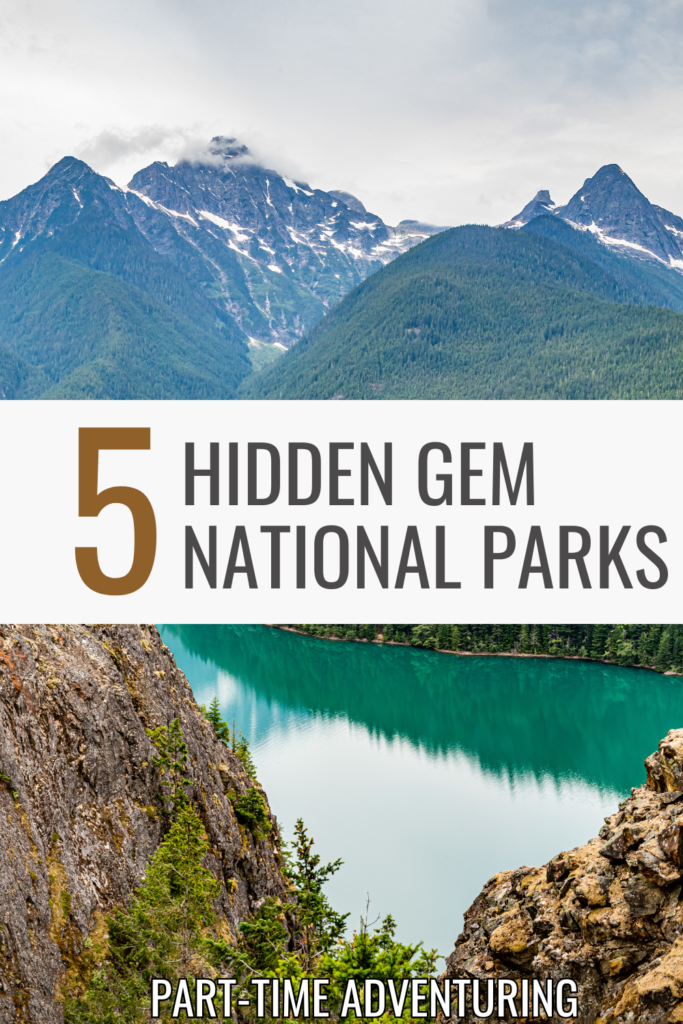
The U.S. has 63 national parks. The top 10 by visitation absorb the majority of the crowds. The other 50+ parks? Many are extraordinary — and receive a fraction of the traffic.
After visiting all 54 parks, we can say this with full confidence: some of our most memorable experiences happened in parks most people have never heard of.
Parks worth putting on your list:
- Wind Cave National Park (South Dakota) — stunning geology and wildlife, often overlooked in the shadow of nearby Badlands
- Great Basin National Park (Nevada) — ancient bristlecone pines, a glacier, and some of the darkest night skies in the country
- Pinnacles National Park (California) — condors, talus caves, and spectacular spring wildflowers with light crowds
- Isle Royale National Park (Michigan) — remote wolf-and-moose wilderness accessible only by ferry or floatplane
- Congaree National Park (South Carolina) — old-growth floodplain forest unlike anything else in the Southeast
If your goal is to experience wild, beautiful, uncrowded places — expanding beyond the bucket-list parks is one of the most effective strategies available.
Don’t Overlook National Monuments and Recreation Areas
National monuments, recreation areas, and preserves often sit near major parks and see far less traffic.
Why this matters:
- Fewer visitors and fewer access restrictions
- Similar landscapes and ecosystems to their more famous neighbors
- Easier access and more flexibility during peak seasons
These areas are excellent alternatives — and sometimes even better than the park itself.
Bonus: Extra Tips for Avoiding Crowds at National Parks
Don’t Have a Strict Itinerary
Over-planning works against you. When every hour is scheduled, you lose the flexibility to respond to what’s actually happening around you.
We don’t travel with a rigid plan — and it’s made us far better at navigating parks. When you have flexibility, you can skip a packed trailhead and pivot to something quieter, follow a ranger tip to an overlooked overlook, or linger somewhere beautiful instead of rushing to the next stop on the list.
A loose framework is plenty. Build in margin for discovery — some of the best moments we’ve had in national parks came from saying yes to something unplanned.
Stargazing After Hours
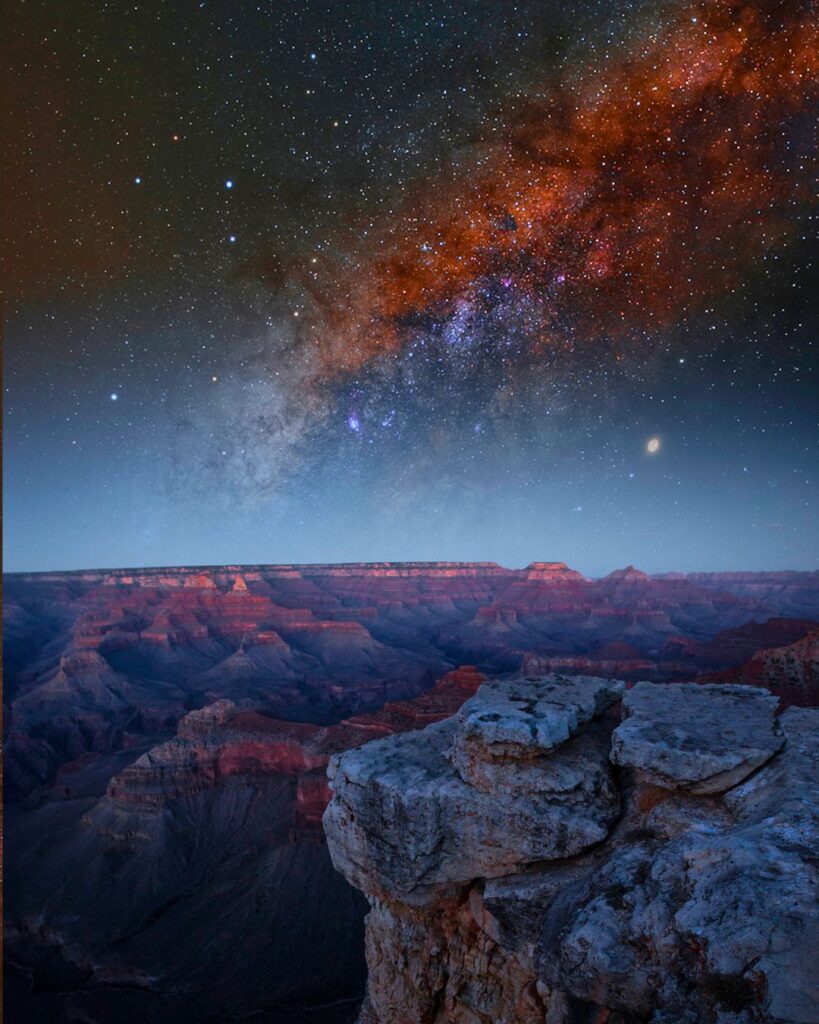
Read our full guide to the best Dark Sky National Parks for stargazing →
Pack Food and Avoid Midday Exits
Leaving the park midday to grab lunch often means battling entrance congestion when you return. Packing meals keeps you inside while others leave — and lets you use the midday hours (when crowds peak) to be somewhere quiet while everyone else is at the visitor center café.
Take a Low-Movement Rest Day
Not every park day needs to be hike-heavy. Rest days — spent at a lakeside, on a scenic pullout, or on a short off-peak walk — naturally place you away from the main event crowds. Slowing down often leads to quieter, more present experiences.
FAQ: How to Avoid Crowds at National Parks
What time of day are national parks least crowded?
Early mornings before 8 AM and late afternoons after 4 PM are consistently the least crowded windows. Arriving at sunrise is the single most reliable way to experience popular spots with minimal crowds.
Are national parks less crowded on weekdays?
Yes — especially Mondays and Thursdays. During summer peak season the difference narrows, but weekdays are almost always preferable to weekends in any park.
What months are best to avoid crowds at national parks?
Late fall (September–October), winter in desert parks, and early spring outside of school holiday windows. Shoulder season sweet spots vary by park, so it’s worth researching the specific park you’re visiting.
Can you actually avoid crowds in popular parks like Zion or Yosemite?
Yes — but it requires strategy. Early starts, longer and less-documented trails, late afternoon visits, and shoulder season timing all make a real difference. In Zion, arriving before shuttles begin operating is critical. In Yosemite, entering via Tioga Pass (when open) dramatically reduces congestion compared to the main valley entrance.
What are the least crowded national parks to visit?
Great Basin, Isle Royale, Congaree, North Cascades, Wrangell-St. Elias, Guadalupe Mountains, and Black Canyon of the Gunnison are consistently among the least-visited parks. All offer remarkable experiences with a fraction of the crowd pressure of the headline parks.
How to Avoid Crowds at National Parks: Final Thoughts
Avoiding crowds at national parks isn’t about finding a secret nobody else knows. It’s about being intentional with your timing, flexible with your plans, and willing to go a little further or start a little earlier than most people are.
After visiting all 54 parks, our biggest takeaway is this: the beauty is always there. The strategy is just about positioning yourself to experience it without the chaos.
Start early. Hike further. Visit in the off-season when you can. Explore the parks and public lands that don’t make the highlight reels. Go without a rigid plan. And bring the kind of attitude that lets you find something remarkable even when the parking lot is full.
The parks will deliver — every time.
For more planning help, check out our Ultimate Guide to National Park Trip Planning and our favorite less-visited national parks worth adding to your list.