Last Updated on August 18, 2026 by Melissa
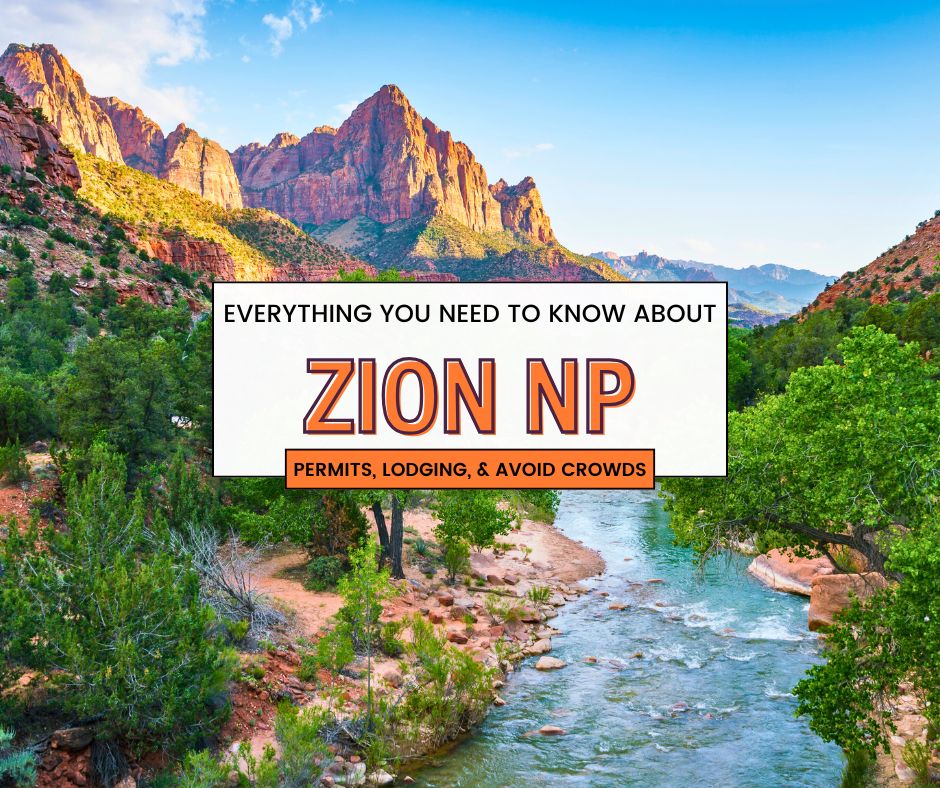
Zion National Park, tucked into southwestern Utah, is one of the most-visited parks in the country — towering red cliffs, narrow canyons, and hikes that range from easy paved paths to the genuinely intense chains section of Angels Landing. We’ve hiked Angels Landing ourselves, and it’s one of the best things we’ve done in any national park. Here’s what to know before you go.
Some of the links on this website are affiliate links, which means we may earn a small commission if you make a purchase through them — at no additional cost to you. These commissions help support Part Time Adventuring and allow us to continue creating free travel guides, national park itineraries, hiking resources, and adventure content.
Making Zion part of a bigger Utah trip? Zion is one of five parks that make up Utah’s “Mighty 5” — see our Ultimate Utah National Parks Road Trip for how to string all five together.
Table of Contents
- Getting There and Entrance Fees
- Best Time to Visit Zion
- How to Avoid the Crowds
- Angels Landing: Permits and What to Expect
- Other Notable Hikes and Sights
- Where to Stay
- Helpful Tips for Visiting
- FAQ
Getting There and Entrance Fees
The closest major airport is Las Vegas (LAS), about 2.5-3 hours away by car and the most common starting point for a Zion trip. St. George Regional Airport (SGU), about an hour out, has more limited flight options but cuts the drive significantly if the routes work for you. If you’re coming from Salt Lake City, plan on roughly 4.5-5 hours of driving. A car is essential — there’s no public transit connecting Zion to any of these airports.
Zion charges a standard entrance fee, valid for seven days, and the America the Beautiful Annual Pass covers it if you’re combining Zion with other parks. Since exact fee amounts shift periodically, check Zion’s official fees and passes page for current pricing before you go.
Best Time to Visit Zion
Spring (March–May): Mild temperatures, blooming wildflowers, and rushing waterfalls make spring one of the best windows for hiking and photography. Expect 40-70°F and moderate crowds.
Summer (June–August): The busiest season by far, with temperatures regularly climbing into the 90s. The park is stunning, but the heat and crowds are both intense — early starts and plenty of water are non-negotiable.
Fall (September–November): Cooler temperatures (50-80°F), fewer crowds, and vibrant canyon foliage make this our favorite season to recommend for exploring the trails.
Winter (December–February): Quiet and peaceful, with a completely different look to the landscape. Temperatures can drop below freezing and some trails ice over or close, so check conditions before you commit to a winter hike.
How to Avoid the Crowds
Zion draws over 4 million visitors a year, and it feels like it if you’re not strategic. It’s genuinely one of the more crowded national parks we’ve visited — arriving early to secure parking at the visitor center matters more here than almost anywhere else. Once you’re up in the canyon on the shuttle, though, it thins out fast and doesn’t feel nearly as packed.
- Arrive early in the morning if you want to park at the visitor center — lots fill up fast, especially in peak season.
- Visit during the shoulder seasons (spring or fall) for a real difference in crowd levels.
- Use the park’s free shuttle system, which runs spring through fall along Zion Canyon Scenic Drive — private vehicles aren’t allowed on that road during shuttle season.
- Hike less-crowded trails like the West Rim Trail or explore some of the park’s hidden-gem trails instead of only hitting the headline hikes.
More crowd-avoidance strategies that work across any park, not just Zion, are in our guide to avoiding crowds at national parks.
Angels Landing: Permits and What to Expect
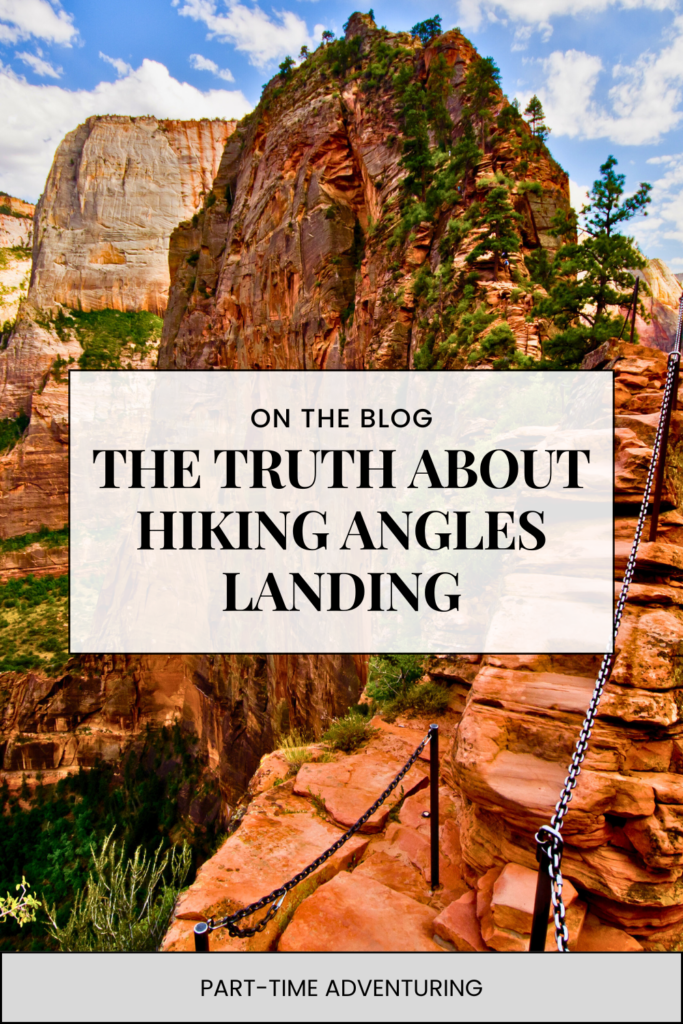
Angels Landing is Zion’s signature hike, and it earns the reputation — narrow ridges, real exposure, and one of the best payoffs of any hike we’ve done. It’s not for anyone with a serious fear of heights, but it was genuinely one of the highlights of our whole trip.
Permit system: Every hiker needs a permit to access the chains section between Scout Lookout and the summit. Permits are issued through two lotteries:
- A seasonal lottery, which opens a few times a year, roughly one to three months ahead of each hiking season
- A day-before lottery, for last-minute planners — apply the day before your hike
Because the exact lottery dates shift slightly year to year, check Zion’s official Angels Landing permit page on Recreation.gov for the current schedule and fees before you plan around a specific date.
What it’s actually like: We got a day-before permit for an afternoon slot and arrived at the visitor center before 8 a.m. to make sure we had parking. The trail starts with a paved climb through Walter’s Wiggles — 21 switchbacks that sound worse than they are; we only needed one break. Since we had extra time before our permit window, we hiked further out along the West Rim Trail and found a quiet spot to relax before heading back to Scout Lookout to show our permits. The final chains section is intense — steep drop-offs on both sides — but the crowds are noticeably thinner than they used to be thanks to the permit system, and the views at the top make every bit of the exposure worth it.
Want the full play-by-play? We wrote up the entire hike in detail, from the permit lottery to the chains section, in Why Angels Landing Was Worth the Challenge.
Tips for the hike:
- Wear sturdy hiking shoes with real grip
- Start early to beat both the heat and the crowds
- Bring more water than you think you need
- Mentally prepare for exposed sections with sheer drop-offs — the chains help, but they don’t remove the exposure
Other Notable Hikes and Sights
The Narrows: We haven’t hiked this one ourselves — wading through the Virgin River for miles isn’t really our thing — but it’s one of Zion’s most iconic hikes, walking through towering canyon walls with the river as your trail. Visitors report that water shoes and rented dry pants make a real difference in cooler months, and flash flood risk should always be checked before heading in. It’s generally better attempted in summer or fall, since spring runoff can make the water too high and fast to hike safely.
Emerald Pools: A family-friendly hike on easy-to-moderate trails leading to a series of pools and waterfalls.
Observation Point: Panoramic views of Zion Canyon and a solid alternative if you don’t win an Angels Landing permit — access it via the East Mesa Trail.
Kolob Canyons: A quieter, less-visited section of the park with scenic drives and hikes like the Taylor Creek Trail.
Canyon Overlook Trail: Short and rewarding — a great pick for sunrise or sunset.
Where to Stay
Inside the Park:
- Zion Lodge — the only in-park lodging, offering cabins and hotel rooms. Book well ahead.
Nearby Towns:
- Springdale — right at the park entrance, with everything from luxury hotels to private rentals
- La Verkin — about 30 minutes out, with a good range of hotels and private houses
- St. George — about an hour away, with the widest range of hotels and homes
Camping:
- South Campground and Watchman Campground — close to the visitor center; reservations are essential.
- Lava Point Campground — more remote, first-come, first-served.
<h2 id=”tips”>Helpful Tips for Visiting Zion</h2>
- Plan ahead. Lodging and permits book up months in advance — don’t wait until the last minute.
- Use the shuttle. From spring through late fall, it’s the only realistic way to move through Zion Canyon — private vehicles aren’t allowed on the scenic drive during that window. Kolob Canyons Road and Kolob Terrace Road, on the other hand, are open to personal vehicles year-round.
- Pack real essentials. Water, snacks, sunscreen, and layers — even summer mornings and evenings can be cool.
- Be wildlife-aware. Don’t feed animals, keep your distance, and watch for rattlesnakes on trails.
- Check the weather before you hike, especially in monsoon season. Flash floods are a real risk in Zion’s canyons year-round, but July through September is monsoon season specifically — clear morning skies can build into dangerous afternoon thunderstorms with little warning, even miles from where you’re standing. This is the single biggest reason to check conditions at the visitor center before any canyon or Narrows-style hike in late summer.
- Traveling with a dog? Zion is one of the more restrictive parks for pets — leashed dogs are only allowed on the paved Pa’rus Trail, plus roads, parking areas, campgrounds, and the grounds of Zion Lodge. They’re not permitted on any other trail or on the shuttle, so plan accordingly if your dog is coming along.
- Leave no trace. Pack out everything you bring in and stay on designated trails.
FAQ
Do I need a permit for Angels Landing? Yes — every hiker needs a permit for the chains section between Scout Lookout and the summit. Permits are issued through a seasonal lottery and a day-before lottery on Recreation.gov.
Is Zion National Park crowded? Yes, significantly — it’s one of the most-visited parks in the country. Arriving early for parking and visiting during shoulder seasons both make a real difference.
What’s the best alternative if I don’t get an Angels Landing permit? Observation Point offers similarly panoramic views of Zion Canyon via the East Mesa Trail, without requiring a permit.
Do I need a car to get around Zion? You need a car to reach the park, but once inside Zion Canyon during shuttle season (spring through late fall), private vehicles aren’t allowed on the scenic drive — the shuttle is the only way to move through that section.
Is The Narrows hike safe? It can be, with the right precautions — but flash flood risk is real and should always be checked before you go. Spring runoff often makes the water too high and fast to hike safely; summer and fall are generally better windows.
How many days do I need for Zion? Two to three days is enough to hit the highlights, including Angels Landing (if you get a permit) and a few of the other major trails. More time gives you room for Kolob Canyons and the quieter corners of the park.
Final Thoughts
Zion rewards a little planning more than most parks — get your parking sorted early, know the Angels Landing permit system before you arrive, and build in a shoulder-season visit if your schedule allows it. Once you’re past the crowds at the entrance, it’s every bit the bucket-list destination it’s built up to be.