Last Updated on June 22, 2026 by Melissa
Lamar Valley is the wildlife-watching capital of the United States. That’s not marketing language — it’s why serious wildlife enthusiasts plan entire trips around a single valley in the northeast corner of Yellowstone. Bison herds stretch across the meadow floor, pronghorn blur through the sagebrush, grizzlies work the hillsides, and wolves — if the timing is right — move through country that is genuinely unlike anywhere else in the lower 48.
Most people drive through it anyway.
We made a point of going there intentionally — built a full morning around it, drove in from West Thumb at sunrise with fog rolling across the road. Even knowing what we were looking for, the scale caught us off guard. It’s beautiful either way. But beautiful and prepared are two different things. Here’s what you actually need to know before you go.
Some of the links on this website are affiliate links, which means we may earn a small commission if you make a purchase through them — at no additional cost to you. These commissions help support Part Time Adventuring and allow us to continue creating free travel guides, national park itineraries, hiking resources, and adventure content.
- 1. The base camp decision most people get wrong
- 2. The one thing that determines your entire experience
- 3. What you’ll wish you had packed
- 4. Why first-timers always underestimate this place
- 5. Build this into your schedule or you’ll regret it
- 6. The wildlife everyone overlooks
- 7. The honest truth about the main attraction
- 8. How to use the crowd to your advantage
- 9. What to sort out before you leave your campsite
- 10. The timing window that serious wildlife watchers know about
- FAQ
1. It’s in the northeast corner — and that drive is real
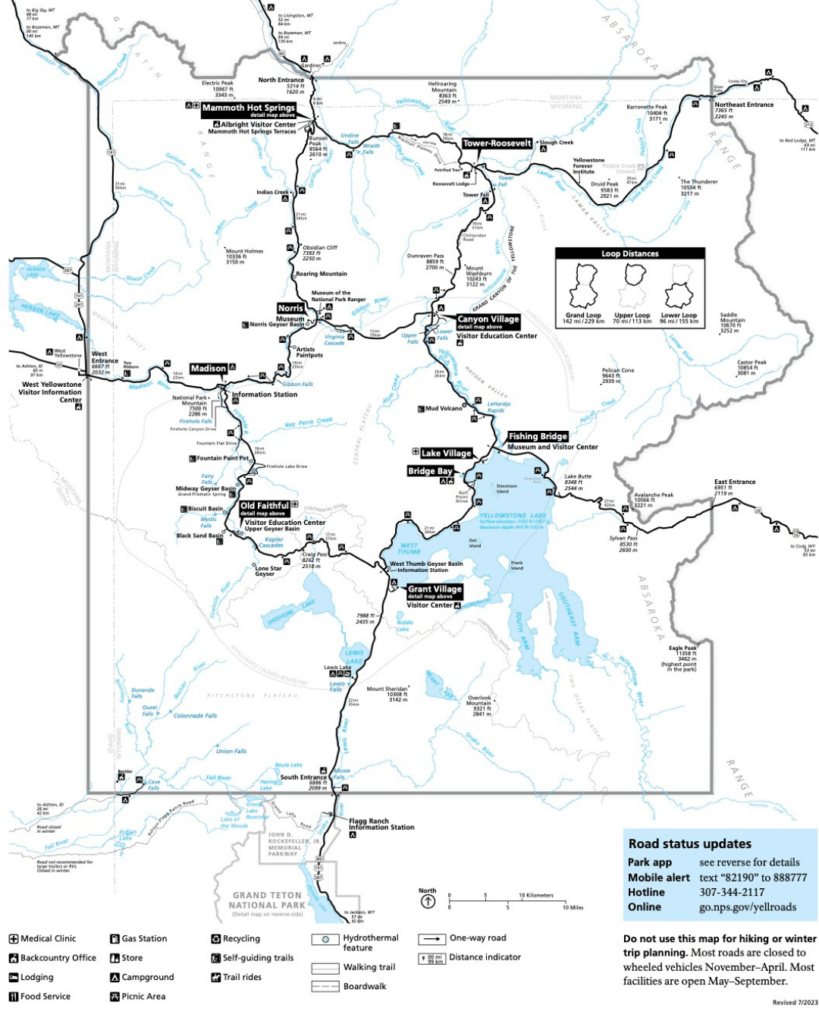
Most people base themselves in the southern or western parts of Yellowstone — West Thumb, Old Faithful, Canyon — and assume Lamar Valley is an easy add-on. It isn’t. From West Thumb, you’re looking at roughly 1.5 to 2 hours each way. From Old Faithful, it’s similar. That’s a significant chunk of any day, and if you’re hoping to arrive at sunrise, it means leaving well before dawn.
We camped at West Thumb and made the drive east specifically for Lamar. It was completely worth it — but it was a commitment. Don’t treat it as an afterthought. If wildlife watching is your actual priority for the trip, your base camp choice matters more than almost any other planning decision you’ll make.
Related: How to See All of Yellowstone in a Weekend — if you’re trying to cover ground, this planning breakdown will help you allocate your days.
2. Sunrise is non-negotiable
Dawn and dusk are when animals are active. Midday in Lamar Valley is mostly empty meadow and heat shimmer. Getting there at or before sunrise is the difference between a wildlife experience and a scenic drive.
We arrived at sunrise on a foggy morning and watched the valley open up as the sun burned through. Even in the fog, before we could see much of anything, it was atmospheric in a way that made the early alarm completely worth it. Don’t let a gray forecast talk you out of going — the fog is part of it.

One thing most people don’t anticipate: Lamar Valley is cold before sunrise, even in peak summer. We’re talking 30s. You’ll be standing outside at a pullout, not moving, for potentially an hour or more. Bring a real jacket and cold weather gloves — not just a light layer you grabbed for the trail. The sun eventually warms things up, but the first hour demands actual cold weather gear.
3. Bring binoculars — this is not optional
The valley is massive. Even large bison herds can look like distant brown specks from the roadside pullouts. Wolves, when spotted, are typically tiny shapes moving across a hillside hundreds of yards away. Binoculars are the bare minimum. A spotting scope dramatically changes the experience.
We learned this the hard way. We saw a large bison herd spread across the valley floor and genuinely wished we had optics — the scale made them hard to appreciate with the naked eye. A solid mid-range pair of binoculars (like the Nikon Prostaff series) is one of the better investments you can make before a Yellowstone trip.
4. The valley is enormous — it will surprise you
Photos and maps don’t prepare you for the actual scale. Lamar Valley is a wide, sweeping glacial valley — the “American Serengeti” comparison people make isn’t hyperbole. First-time visitors often pull into a random turnout, stare across what looks like an empty meadow, and move on. Give your eyes time to adjust. Scan slowly and systematically, starting at the far treeline and working forward. Animals are almost always out there. They’re just far away and easy to miss at scale.
This was the thing that caught us most off guard — not the animals, not the drive, but how genuinely big the valley is when you’re standing in it.
5. Bison will stop your car — literally
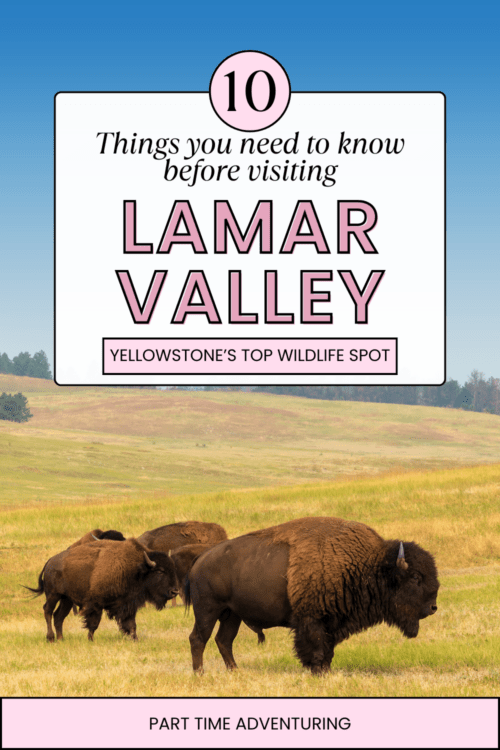
Bison jams are part of the Lamar Valley experience. Animals cross the road on their schedule. Stay in your vehicle, turn off the engine, and wait. Do not honk, edge forward, or try to go around — beyond being dangerous, it violates NPS regulations that require staying at least 25 yards from bison at all times.
We had a bison stop us on the road — there’s a particular mix of absurd and surreal about sitting in a car while a 2,000-pound animal takes its time directly in front of you. Budget extra time into your day and reframe it as part of the experience rather than an inconvenience. It is.
6. Pronghorn are everywhere, and most people miss them
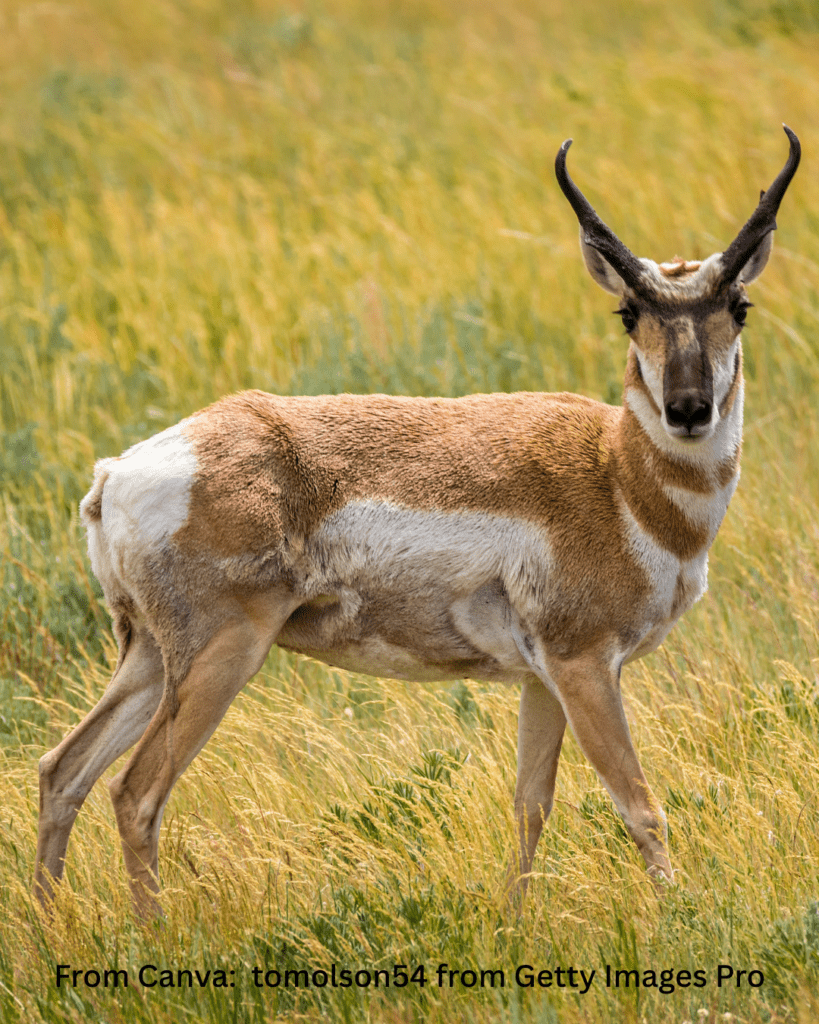
Pronghorn are the fastest land animal in North America, and Lamar Valley is full of them. Most visitors are so focused on scanning for wolves and bears that they overlook hundreds of pronghorn grazing in the meadows. They blend into sagebrush and dry grass remarkably well. Keep your eyes low and wide, not just on the far ridgeline — pronghorn will often be closer than you’d expect.
We saw far more pronghorn than we anticipated, and they’re genuinely worth stopping for. Most Lamar posts talk almost exclusively about wolves and bison, but the pronghorn sightings were some of our favorites from the day.
Related: Best National Parks to See Wildlife in the United States — Lamar Valley is the anchor, but several other parks belong on the list.
7. Wolves are possible — but don’t plan your trip around them
Lamar Valley has the best wolf-watching access in the world outside Alaska. The Junction Butte Pack (15 members as of 2026) and the Wapiti Lake Pack are among the active groups ranging through the area. But sightings are never guaranteed, and peak summer is the lowest-probability window — wolves move to higher elevation as temperatures rise.
If wolves are a genuine priority, May and early June are your best window. That’s when packs are active near den sites, movement is concentrated in the valley, and the wildlife-watching community is most dense (meaning more eyes on the hillsides, which helps). In any season, check in with rangers at the Lamar Valley area before heading out — they’ll know which packs have been visible recently and where to look.
8. The pullout culture here is unlike anything else in the park
If you see 10 or more cars pulled over with people pointing spotting scopes in the same direction — stop. Something is out there. The wildlife-watching community in Lamar Valley is serious, knowledgeable, and genuinely helpful. Wolf Project volunteers and experienced spotters are often positioned at the major pullouts, especially in spring and fall. Don’t be shy about asking what they’re looking at. They’ll tell you exactly where to aim.
9. There are almost no services in the northeast corner

No gas stations. Very limited cell service. No food vendors. The nearest services are in Gardiner to the northwest or Cooke City just outside the Northeast Entrance — and Cooke City is small. Fill your tank before you head out, pack food and water for the day, and download offline maps. The Lamar area ranger station has restrooms and staff, but that’s about all you can count on.
If you’re considering basing closer to Lamar rather than making the long daily drive, Gardiner, MT has solid lodging options and puts you right at the North Entrance with easy access to the northeast road corridor. It’s worth the upgrade if wildlife watching is the primary reason for your trip.
Note: Pebble Creek Campground inside the park was significantly damaged in the 2022 floods and remains closed for 2026. Slough Creek Campground is open June 15 – October 12, 2026 ($20/night, reservation required through Recreation.gov) and is the best option for staying close to the valley.
10. Early season changes everything
July and August bring the highest crowds and the lowest probability of wolf activity. May and early June bring wolf packs close to the valley floor, bison calves (the “red dogs” that arrive in late April and early May), active grizzlies, and significantly fewer cars at the pullouts. If your schedule has any flexibility, the shoulder season visit is worth the planning adjustment.
Road opening dates affect which routes into the northeast corridor are available, so check Yellowstone’s current conditions before you lock in your itinerary.
Related: Yellowstone Road Openings 2026: How to Plan an Early Season Trip — exact opening dates and what’s accessible when.
Frequently Asked Questions About Lamar Valley
What animals can you see in Lamar Valley? Lamar Valley is home to bison, pronghorn, elk, grizzly bears, black bears, wolves, coyotes, bald eagles, osprey, and badgers, among others. It’s the most wildlife-dense area in Yellowstone and one of the best wildlife-watching destinations in North America.
Is Lamar Valley worth visiting? Yes — without qualification. Even if you don’t see wolves, the bison herds, pronghorn, and sheer scale of the valley are worth the drive from anywhere in the park. Early morning in May or June is as good as it gets.
What time should I go to Lamar Valley? Arrive at or before sunrise. Animals are most active at dawn and dusk; midday is significantly slower. Factor in your drive time from wherever you’re based — if you’re coming from the southern part of the park, you’ll need to leave in darkness.
Can you see wolves in Lamar Valley in summer? Sightings are possible but less likely in peak summer (July–August), when wolves tend to move to higher elevations. Your best window is May through early June or fall. Talk to rangers at the Lamar area for current pack activity before heading out.
How far is Lamar Valley from Old Faithful or West Thumb? From West Thumb or Old Faithful, Lamar Valley is roughly 1.5 to 2 hours each way across the park. Plan accordingly — this is a half-day commitment minimum from the southern or western portions of the park.
Do you need a permit to visit Lamar Valley? No separate permit is required. Lamar Valley is accessible with standard Yellowstone park entry — $35 per vehicle for a 7-day pass, or covered by the America the Beautiful annual pass ($80 for U.S. residents). Note that as of 2026, international visitors pay a $100 nonresident surcharge at Yellowstone and select other parks.
How long should you spend in Lamar Valley? Plan for a minimum of one to two hours, but budget more if you can. We spent over an hour on a single morning and could have easily stayed longer. If you arrive at sunrise and wildlife is active, two to three hours goes fast. The experience is almost entirely dependent on what you encounter — a bison jam alone can eat 20 minutes, and if wolves are spotted, the crowd that forms will keep you there.
The first time we drove through Lamar Valley, we understood the reputation but hadn’t really prepared for the reality — the scale, the distance, the early wake-up call it demands. Going back with the right optics, the right timing, and a better understanding of where to look and what to expect turned it into one of the most memorable mornings we’ve had in any national park.
If Yellowstone is on your itinerary, give Lamar Valley a full morning. It earns it.
Planning your full Yellowstone trip?