Last Updated on July 15, 2026 by Melissa
Why These Least Crowded National Parks?
Exploring the great outdoors doesn’t have to mean fighting for a parking spot, waiting in long lines, or struggling to find solitude on the trails. While popular parks like Yellowstone and Yosemite pull in millions of visitors a year, these five parks offer the same caliber of landscapes, hikes, and wildlife — most with under 400,000 annual visitors combined against Zion’s nearly 5 million alone.
If you’re craving wide-open spaces, dramatic landscapes, and trails where you won’t be constantly passing other hikers, this guide covers the 5 least crowded national parks that deserve a spot on your adventure list, along with current 2025 visitor numbers and firsthand tips from our own trips to four of them.
Some of the links on this website are affiliate links, which means we may earn a small commission if you make a purchase through them — at no additional cost to you. These commissions help support Part Time Adventuring and allow us to continue creating free travel guides, national park itineraries, hiking resources, and adventure content.
Table of Contents
- Why These Least Crowded National Parks?
- How to Avoid Crowds in Any National Park
- The 5 Least Crowded National Parks to Visit
- Final Thoughts: Plan Your Escape to the Least Crowded National Parks
- FAQ
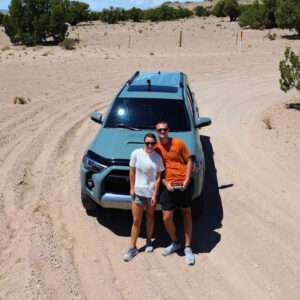
The least crowded national parks don’t just have fewer visitors — they also offer unforgettable outdoor experiences. Each of these five parks pulls a fraction of the traffic that major parks see, yet still delivers jaw-dropping views, epic hikes, and diverse landscapes. We’ve personally hiked four of the five and can vouch for what makes each one worth the drive.
How to Avoid Crowds in Any National Park
Even the least crowded national parks have peak seasons and popular pockets where you’ll still run into other visitors. A few strategies help you find real solitude no matter which park you’re in:
- Arrive early or stay late. Most visitors are on the trails between 10 AM and 4 PM, so hitting the trailhead at sunrise or lingering past sunset almost always means a quieter experience.
- Choose the lesser-known trail. Every park has a handful of famous hikes that pull the crowds — and several equally good ones nearby that don’t.
- Visit during shoulder season. Early spring and late fall see a fraction of the summer crowds, with milder temperatures to boot.
- Get away from the main overlooks. The parking-lot viewpoints get busy fast. A short walk in almost any direction thins the crowd dramatically.
For a deeper breakdown of these strategies — including how to time your visit around each park’s specific peak windows — check out our full guide to avoiding crowds at national parks.
The 5 Least Crowded National Parks to Visit
If you’re looking to escape the crowds and explore some of the most serene and scenic landscapes in the U.S., these five national parks offer exactly that. Often overshadowed by their more popular counterparts, these parks boast breathtaking views, diverse wildlife, and unique features without the heavy foot traffic.
Big Bend National Park
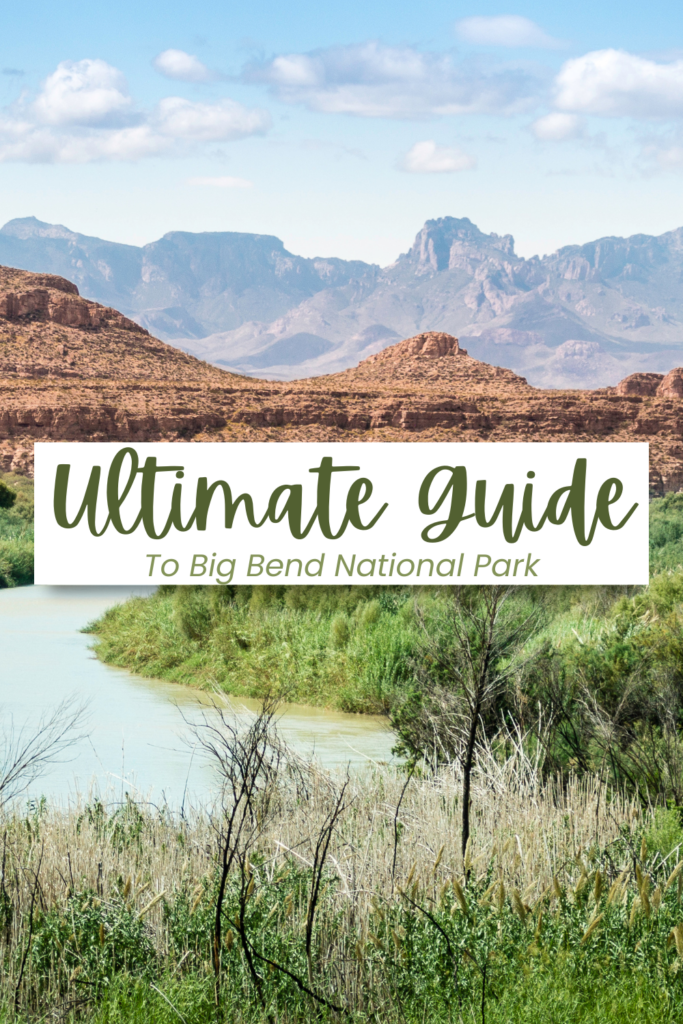
Annual Visitors (2025): 568,100
Why It’s Special: One of the most remote national parks in the U.S., Big Bend offers dramatic desert landscapes, a winding river, and some of the best stargazing in the world.
Top Things to Do:
- Emory Peak Trail — Our favorite hike in the park. It’s a strenuous climb to the highest point in Big Bend, with a short scramble at the top, but the payoff views over the Chisos Basin are worth every switchback.
- Santa Elena Canyon — A stunning canyon carved by the Rio Grande with towering rock walls rising over 1,500 feet.
- Hot Springs Historic District — Relax in natural hot springs along the Rio Grande.
Best Time to Visit: We visited in spring and it’s genuinely the best window — mild temperatures, wildflowers, and hiking conditions that make the Emory Peak climb much more manageable than it would be in summer heat.
Want the full breakdown? Check out our Complete Guide to Big Bend National Park.
Pinnacles National Park
Annual Visitors (2025): 343,200
Why It’s Special: Known for its otherworldly rock formations, Pinnacles is a paradise for hikers and wildlife lovers, especially those hoping to spot the endangered California condor.
Top Things to Do:
- Bear Gulch Cave Trail — The most popular trail in the park for good reason. It winds through dark talus caves home to rare bat species, and it’s a genuinely cool, easy-to-moderate hike that works for most fitness levels.
- High Peaks Trail — A challenging 6.7-mile loop with incredible panoramic views of towering rock spires.
- Balconies Cliffs Trail — A scenic route through canyons and along cliffside edges.
Best Time to Visit: March–May & October–November (pleasant temperatures and vibrant wildflowers)
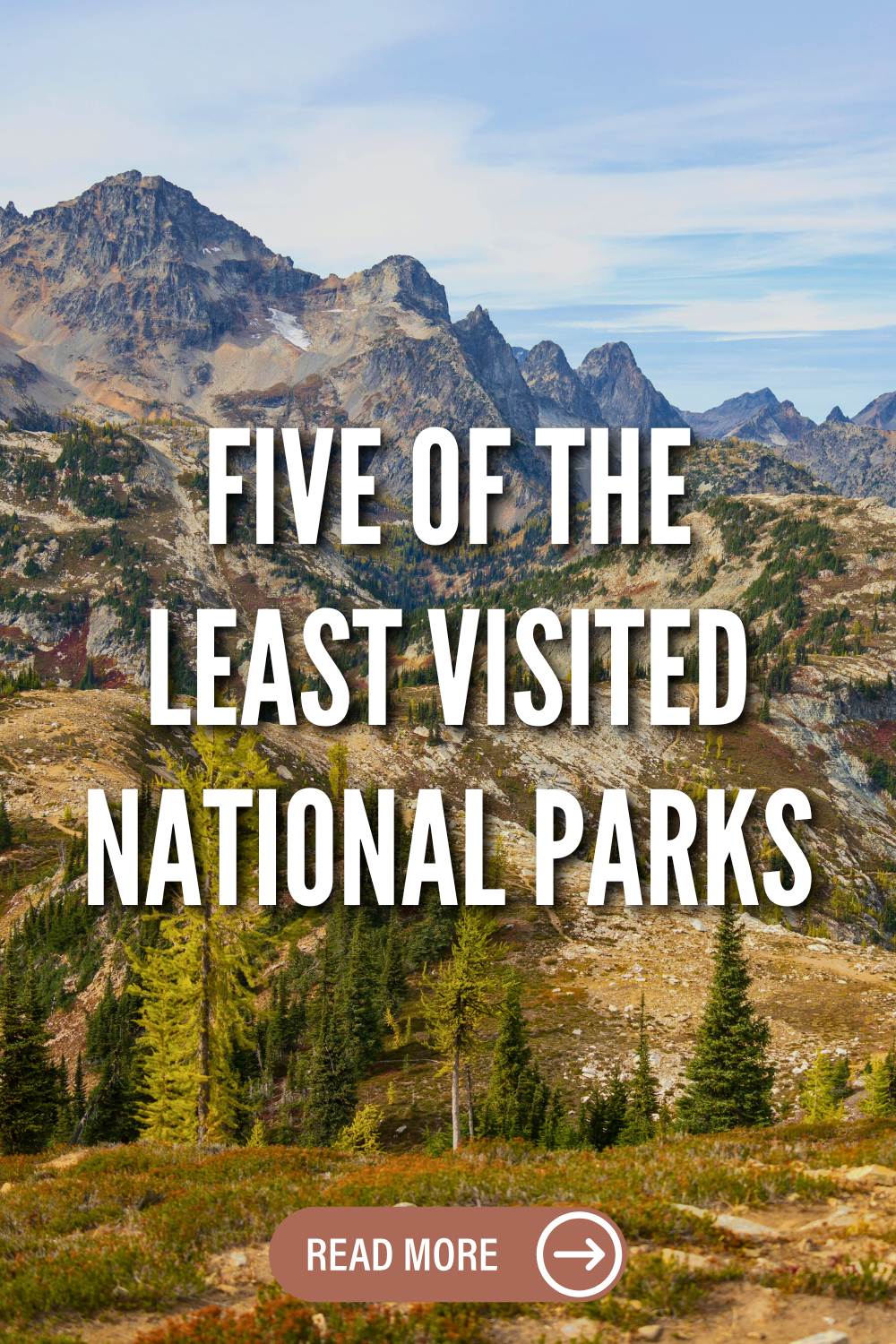
North Cascades National Park
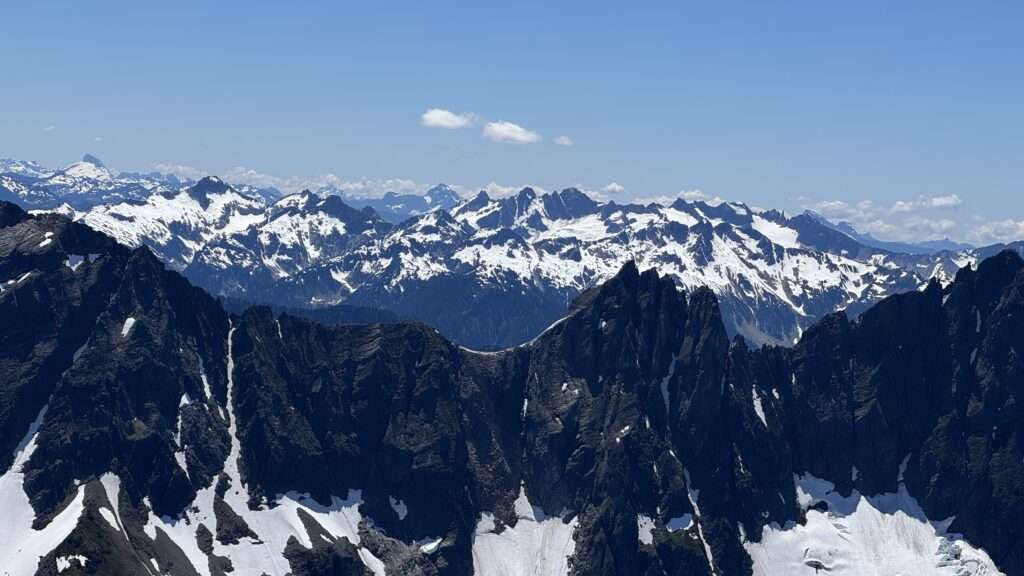
Annual Visitors (2025): 46,900 — still the least-visited park on this list by a wide margin, even after a 185% jump from 2024’s storm-suppressed numbers. For comparison, that’s fewer visitors in an entire year than Zion sees most weekends.
Why It’s Special: One of the least visited national parks in the U.S., North Cascades is a rugged wonderland of glaciers, turquoise alpine lakes, and dramatic mountain peaks.
Top Things to Do:
- Cascade Pass — This is our top recommendation in the park. Lush meadows, glacier views, and a genuinely high chance of spotting mountain goats along the trail.
- Blue Lake Trail — Another one we’d send you to directly — a shorter hike to a strikingly blue alpine lake ringed by peaks.
- Sahale Arm Trail — For those wanting to push further past Cascade Pass, one of the best alpine hikes in the country.
Best Time to Visit: July–September (most trails are snow-free)
Pro tip: Add in the other two Washington national parks, Mount Rainier and Olympic, for the perfect National Park road trip! Read our complete Olympic National Park guide for the full itinerary.
Great Basin National Park
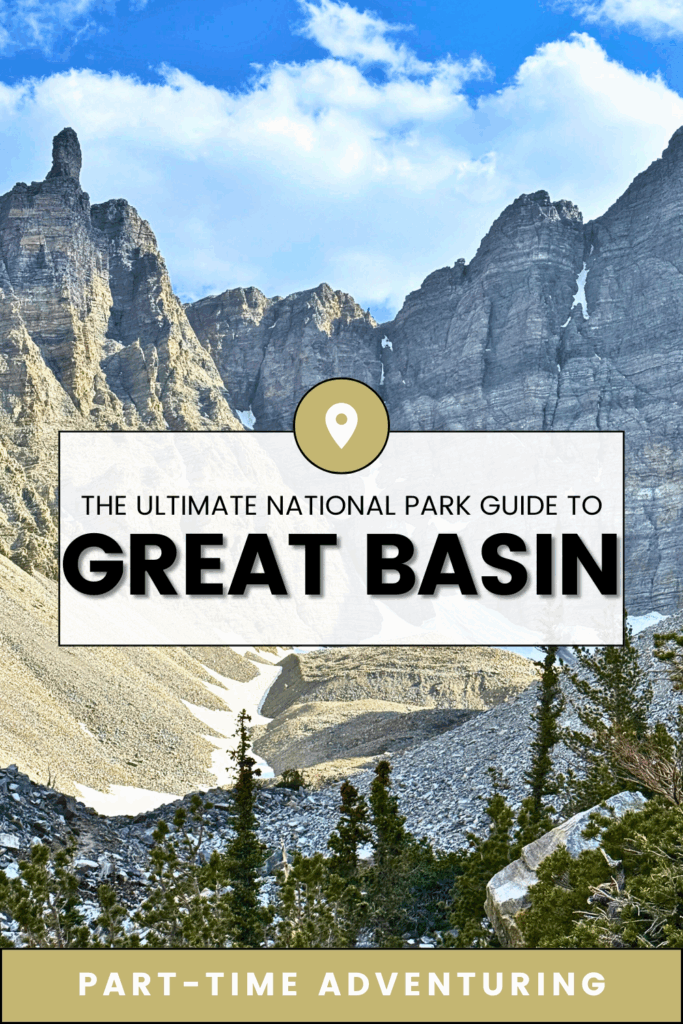
Annual Visitors (2025): 161,200
Why It’s Special: A hidden gem for stargazers, hikers, and cave explorers, Great Basin boasts the oldest trees on Earth, deep limestone caves, and the second-highest peak in Nevada.
Top Things to Do:
- Wheeler Peak Trail — We camped at Wheeler Peak Campground and started this hike well before dawn, reaching the 13,065-foot summit right around sunrise. It’s a challenging climb, but watching the sun come up from the top of Nevada’s second-highest peak is worth the early alarm.
- Bristlecone Pine Trail — Visit 4,000-year-old trees, some of the oldest living organisms on Earth.
- Lehman Caves Tour — Explore intricate stalactites, stalagmites, and rare cave shields.
Best Time to Visit: Late spring to early fall for hiking; camping at Wheeler Peak Campground puts you right at the trailhead if you want an early sunrise start like we did.
This is one of the parks we think is criminally underrated — read our full Great Basin guide for the complete visitor breakdown.
Guadalupe Mountains National Park
Annual Visitors (2025): 206,400 — actually down slightly from prior years, making it a little quieter than when this list first went up.
Why It’s Special: Home to Texas’ highest peak, Guadalupe Mountains offers stunning desert landscapes and some of the most vibrant fall foliage in the Southwest.
Top Things to Do:
- Guadalupe Peak Trail — A strenuous 8.4-mile hike to the highest point in Texas.
- McKittrick Canyon — A unique desert oasis famous for its autumn foliage.
- Devil’s Hall Trail — A moderate hike through a narrow canyon leading to a natural rock hallway.
Best Time to Visit: Fall (October–November) for cooler weather and fall colors. One thing to plan around: this park is known for strong, sustained winds, especially at higher elevations and exposed ridgelines — check the forecast before tackling Guadalupe Peak, since gusts can make the exposed sections genuinely tough going.
Pro tip: Add in nearby national parks, White Sands and Carlsbad Caverns, for a great road trip.
Final Thoughts: Plan Your Escape to the Least Crowded National Parks
If you want to escape the crowds of Yosemite, Zion, or Grand Canyon, these five parks deliver breathtaking scenery, epic hikes, and real solitude — without the stress of overcrowding. We’ve hiked four of the five ourselves, and the fifth (Guadalupe Mountains) is next on our list
And don’t forget to follow @ptadventuring for more national park travel tips!
FAQ
What is the least visited national park in the U.S.? Kobuk Valley National Park in Alaska is the least visited national park in the country, with just 7,786 recreation visits in 2025. It sits north of the Arctic Circle and has no roads leading to it — visitors typically fly in via bush plane. For the Lower 48, Isle Royale National Park in Michigan holds the title, with 29,091 visits in 2025. It’s accessible only by boat or seaplane, which keeps numbers low despite its popularity with backpackers and wildlife watchers.
Are these parks safe to visit without a lot of crowds around? Yes, but plan ahead. Cell service is limited or nonexistent in several of these parks, so download offline maps, tell someone your hiking plan, and carry extra water — especially in the desert parks like Big Bend and Guadalupe Mountains.
Do any of these parks require reservations or timed entry? No, none of the five parks on this list currently require timed-entry reservations.
What’s the best season to visit the least crowded national parks? It depends on the park: spring works best for the desert parks (Big Bend, Guadalupe Mountains), while North Cascades and Great Basin’s high-elevation trails are best tackled July through September once snow clears.
Can beginners hike in these less crowded parks? Yes — Bear Gulch Cave Trail at Pinnacles and Blue Lake Trail at North Cascades are both approachable for less experienced hikers, while Emory Peak and Wheeler Peak are better suited to those with some hiking experience.