Last Updated on June 11, 2026 by Melissa
If you’ve ever looked up at a truly dark sky — no city glow, no streetlights, just wall-to-wall stars — you know it’s one of those experiences that’s hard to forget. Dark sky national parks protect that experience by actively limiting light pollution, and the best ones in the US offer some of the most stunning night skies on the planet. Whether you’re planning a dedicated stargazing trip or just want to know which parks are worth staying an extra night, this guide covers the top dark sky national parks, the best spots in each one, and everything you need to know before you go.
This post contains affiliate links. If you book or purchase through one of our links, we may earn a small commission at no extra cost to you. We only recommend places and products we genuinely use and trust. Thanks for supporting Part-Time Adventuring!
- What Is a Dark Sky National Park?
- Best Dark Sky National Parks for Stargazing
- Tips for Stargazing in National Parks
- FAQ
What Is a Dark Sky National Park?
A dark sky national park is a park that has received official certification from DarkSky International (formerly the International Dark-Sky Association) for actively protecting its nighttime environment. Certification requires low levels of artificial light, a commitment to reducing light pollution, and ongoing public education about dark sky preservation.
There are currently 18 certified dark sky national parks in the US. Not every great stargazing park is certified — some simply haven’t gone through the process — but certified parks are your safest bet for reliably dark skies.
Best Dark Sky National Parks for Stargazing
1. Great Basin National Park
Great Basin National Park is consistently ranked as the best stargazing national park in the country, and it earns that title. Located in rural eastern Nevada with almost no nearby development, it’s one of the most genuinely remote parks in the lower 48. The combination of high elevation, low humidity, and almost zero light pollution produces skies that are hard to match anywhere in the US.
We’ve stargazed here ourselves, and the darkness is striking even compared to other remote parks. On a clear night you can see the Milky Way clearly enough to make out structure within it.
Best spots: Wheeler Peak Campground (over 10,000 feet elevation) and the Lehman Caves Visitor Center area for easy access.
Ranger programs: Great Basin hosts an annual Astronomy Festival with telescope viewings, constellation tours, and expert-led presentations. Regular night sky programs run throughout the season.
Nearest city: Ely, Nevada (68 miles)
Where to stay: Options are limited near the park, which is part of what makes the skies so dark. The closest lodging is in Baker, NV — a small gateway town right outside the park entrance. For more options, Ely, NV is about an hour away and has a wider range of hotels.
Read more: Visiting Great Basin National Park for the First Time
2. Death Valley National Park

Death Valley National Park is one of the darkest places in the continental United States. It also happens to be the lowest point in North America, which means the horizon is wide and unobstructed in every direction. That scale — combined with essentially zero light pollution — makes for stargazing that feels almost disorienting in the best way.
We’ve been to Death Valley, and the vastness of the night sky there is unlike anything we’ve experienced at smaller parks. The silence adds to it.
Best spots: Badwater Basin for the lowest-point perspective, and Dante’s View for elevation and sweeping valley views.
Ranger programs: Death Valley’s Astro Rangers program offers guided telescope sessions where rangers help identify planets, galaxies, and more. The park also hosts annual Star Parties.
Best time to visit: Fall through early spring. Summer temperatures make nighttime bearable but daytime extreme.
Where to stay: Furnace Creek is the main hub inside the park. For budget-friendly stays just outside, Beatty, NV and Pahrump, NV are the closest towns with a solid range of options.
Read more: One Day in Death Valley
3. Big Bend National Park
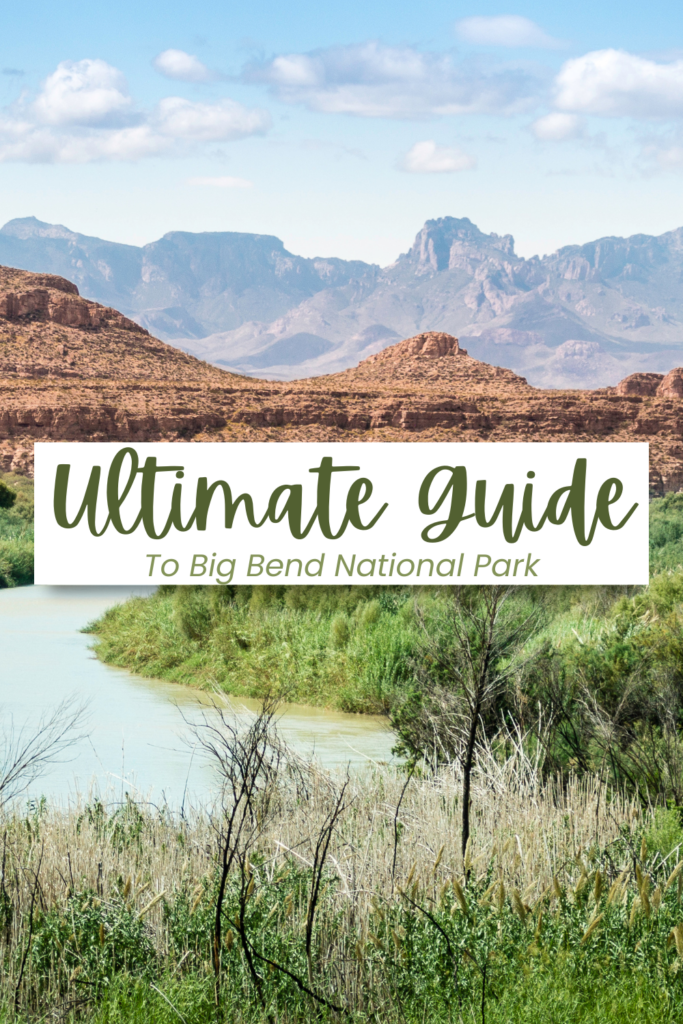
Big Bend National Park holds some of the darkest skies in North America — not just in the national park system, but on the entire continent. Its location in far west Texas puts it hundreds of miles from any major city, and it’s one of the least-visited national parks in the lower 48, which means you often have those skies entirely to yourself.
On the right night, the Andromeda Galaxy is visible to the naked eye. That’s the level of darkness we’re talking about.
Best spots: Santa Elena Canyon Overlook and Chisos Basin, which adds elevation to the already-dark desert skies.
Ranger programs: Big Bend offers Night Sky Programs including telescope sessions and night hikes.
Nearest city: Midland, Texas (230 miles) — plan accordingly.
Where to stay: Inside the park, the Chisos Mountains Lodge is the only in-park lodging and books up fast. The gateway towns of Terlingua and Study Butte just outside the west entrance have a good range of cabins, guesthouses, and small hotels.
4. Bryce Canyon National Park
Bryce Canyon National Park is the most accessible dark sky park on this list, and it makes the most of that advantage with one of the most active astronomy programs in the national park system. The park sits at high elevation in southern Utah, well above the haze and humidity that limits visibility at lower-altitude parks. The hoodoos make for a surreal foreground when you’re shooting the Milky Way.
Best spots: Sunset Point and Inspiration Point, both easily accessible from the main road.
Ranger programs: Bryce hosts Star Parties during the summer. These fill up — check the calendar and plan ahead.
Pro tip: Bryce is about 80 miles from Zion, making it easy to pair both parks in one trip for back-to-back dark sky experiences.
Where to stay: Bryce Canyon City right outside the park entrance has the most convenient options. Panguitch, UT about 25 miles away offers more budget-friendly choices if the gateway area is booked out.
5. Grand Canyon National Park
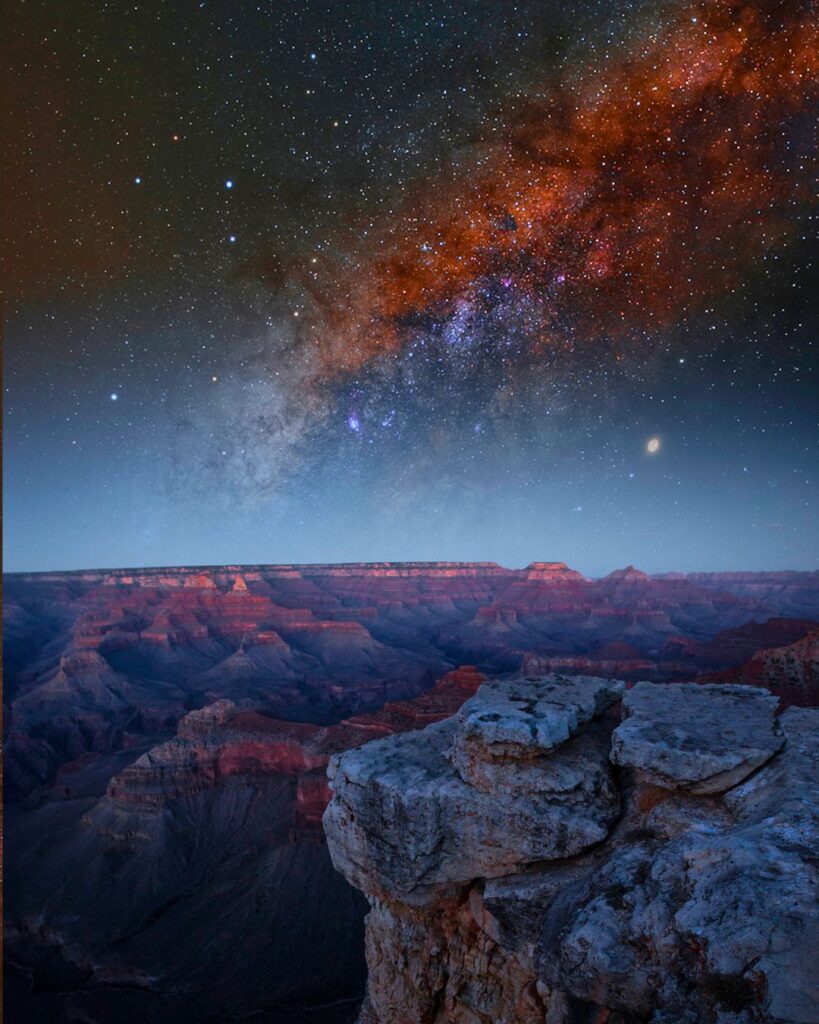
Grand Canyon National Park became a certified dark sky park in 2016 and has one of the most elaborate astronomy programs in the entire park system. The canyon’s remote location and the park’s strict lighting policies keep the night sky surprisingly dark given the visitor volume.
We’ve stargazed at the South Rim, and what stands out is the contrast — you’re watching a sky full of stars over one of the most recognizable landscapes on Earth. It’s a combination no other park can replicate.
Best spots: South Rim: Mather Point, Desert View, and Lipan Point. North Rim: Cape Royal and Bright Angel Point. Note the North Rim is closed December through mid-May.
Ranger programs: Star Parties are scheduled throughout the year and post well in advance.
Where to stay: Grand Canyon Village inside the park books out months ahead — plan early. Tusayan, AZ just south of the entrance is the most convenient outside option, and Williams, AZ about an hour south has the widest selection at the best prices.
6. Joshua Tree National Park
Joshua Tree National Park earned its dark sky certification in 2017 and is the most accessible certified dark sky park in California. Its location between two deserts and above sea level gives it cleaner skies than most of the state. The Joshua trees themselves make for some of the most photographable foregrounds of any stargazing location in the US.
Best spots: Cap Rock and Jumbo Rocks, both with wide sky exposure and minimal nearby light interference.
Ranger programs: Full Moon Hikes and Night Sky Programs run throughout the year.
Note: Darkness is more pronounced in winter when nights are longer.
Where to stay: Joshua Tree, CA and Twentynine Palms, CA are the two main gateway towns. Joshua Tree town has more boutique rentals and charm; Twentynine Palms has more standard hotels and is closest to the north entrance.
7. Zion National Park
Zion National Park received its dark sky certification in 2021. The canyon walls create natural light barriers that, combined with the park’s lighting management, produce surprisingly dark skies despite the park’s popularity. It’s not as dark as Great Basin or Big Bend, but what it lacks in raw darkness it makes up for in scenery — the canyon walls at night are something else entirely.
Best spots: Canyon Junction and the Watchman Campground area for valley views. The Kolob Terrace area offers higher elevation and less canyon interference.
Best time to visit: Spring and fall when crowds thin and nights cool down.
Where to stay: Springdale, UT sits right at the park entrance and is the top choice. Hurricane, UT about 20 miles away is a solid budget alternative with more availability during peak season.
Read more: Zion National Park Travel Guide
8. Capitol Reef National Park
Capitol Reef National Park is one of the most underrated dark sky parks in Utah — far less visited than Zion or Bryce, but just as dark and in some ways more rewarding for serious stargazers. The remote location in south-central Utah means minimal regional light pollution, and the red rock landscape creates dramatic foregrounds.
Best spots: Fruita Campground and Panorama Point overlook.
Why it stands out: With a fraction of the visitors of its Utah neighbors, you’ll often have dark sky viewing spots to yourself — even in peak season.
Where to stay: Torrey, UT is the gateway town just a few miles from the park entrance with a good range of lodges and cabins. Book early — it’s a small town and fills up fast in summer.
Read more: The Ultimate Canyonlands National Park Itinerary (pairs perfectly with Capitol Reef on a Utah road trip)
9. Mammoth Cave National Park
Mammoth Cave National Park earned its dark sky certification in 2021 and is the only certified dark sky national park east of the Mississippi. That alone makes it notable — most East Coast visitors assume dark sky parks are exclusively a western phenomenon. At over 200 square kilometers, the park protects enough undeveloped land to maintain genuinely dark skies, and it’s within a day’s drive of nearly half the US population.
Best spots: The park’s open meadow areas away from the visitor center offer the clearest sky access.
Worth knowing: Pair nighttime stargazing with a cave tour during the day — it’s one of the most unique one-two combinations in the national park system.
Where to stay: The Mammoth Cave Hotel inside the park puts you right in the dark sky zone. Cave City, KY about 10 miles away has more options at better prices, and Bowling Green, KY about 30 miles out is the nearest city with a full range of chain hotels.
Tips for Stargazing in National Parks
Check the moon phase before you go. A new moon provides the darkest possible skies. A full moon is beautiful but will wash out fainter stars and the Milky Way. Plan your trip around the lunar calendar if stargazing is the main event.
Arrive before sunset. Getting to your spot while it’s still light means you won’t be fumbling around in the dark, you can get a feel for the terrain, and your eyes will have time to fully adjust once darkness falls. Full dark adaptation takes 20–30 minutes.
Use a red light only. White headlamps destroy night vision instantly. A red-mode headlamp (most modern headlamps have one) preserves your ability to see the sky while still letting you navigate. The Black Diamond Spot is our go-to.
Dress warmer than you think you need to. Desert parks especially — Death Valley, Joshua Tree, Big Bend — drop dramatically in temperature after sunset. Even in summer, high-elevation parks like Great Basin and Bryce get cold at night. Layers you don’t need are easy to take off.
Download a star map app. SkySafari and Stellarium are both excellent for identifying what you’re looking at in real time. Airplane mode + location services is all you need — no cell service required once it’s downloaded.
Check for ranger programs before your trip. Most dark sky parks run astronomy events that are worth planning around. They fill up, especially at Bryce Canyon and Grand Canyon.
FAQ
Which national park has the darkest skies? Great Basin National Park in Nevada is consistently rated the darkest national park in the US due to its remote location, high elevation, and minimal surrounding development.
What is a dark sky national park? A dark sky national park is a park certified by DarkSky International for protecting its nighttime environment from light pollution. There are currently 18 certified dark sky national parks in the United States.
When is the best time to stargaze in national parks? New moon nights offer the darkest skies. Summer months give you more comfortable temperatures and active Milky Way visibility, but fall and winter often produce clearer, crisper skies at higher-elevation parks.
Do you need a telescope to stargaze in national parks? No. At the darkest parks — Great Basin, Big Bend, Death Valley — the naked eye experience alone is extraordinary. Many parks offer ranger-led telescope programs if you want a closer look at planets and galaxies.
Is stargazing free in national parks? Stargazing itself is free once you’re inside the park. Standard park entrance fees apply. Some ranger-led astronomy programs are also free, while Star Party events may have separate registration.
Can you see the Milky Way in national parks? Yes — at certified dark sky parks like Great Basin, Death Valley, and Big Bend, the Milky Way is clearly visible to the naked eye on moonless nights. The best viewing window is typically May through September when the galactic core is highest in the sky.