Last Updated on June 4, 2026 by Melissa
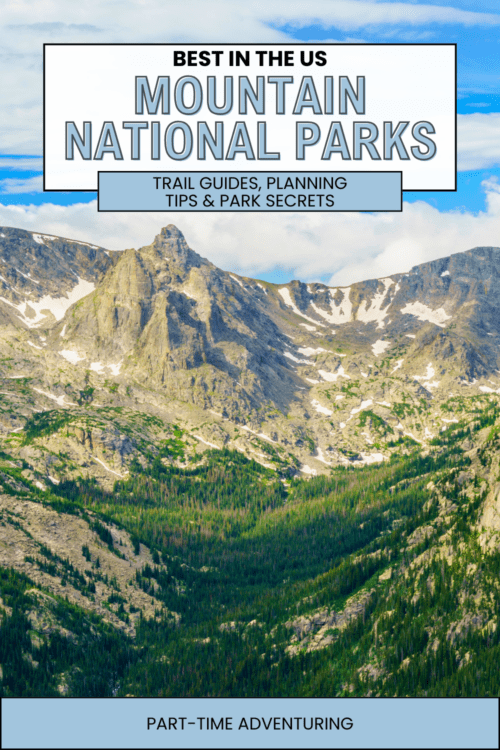
We’ve visited 54 of the 63 US national parks, and mountain scenery is some of the most varied and dramatic in the country. These aren’t just pretty peaks — each of these five mountain National Parks has its own character, its own best time to visit, and its own reason to make the drive. Here’s what we think is worth your time.
Rocky Mountain National Park, Colorado
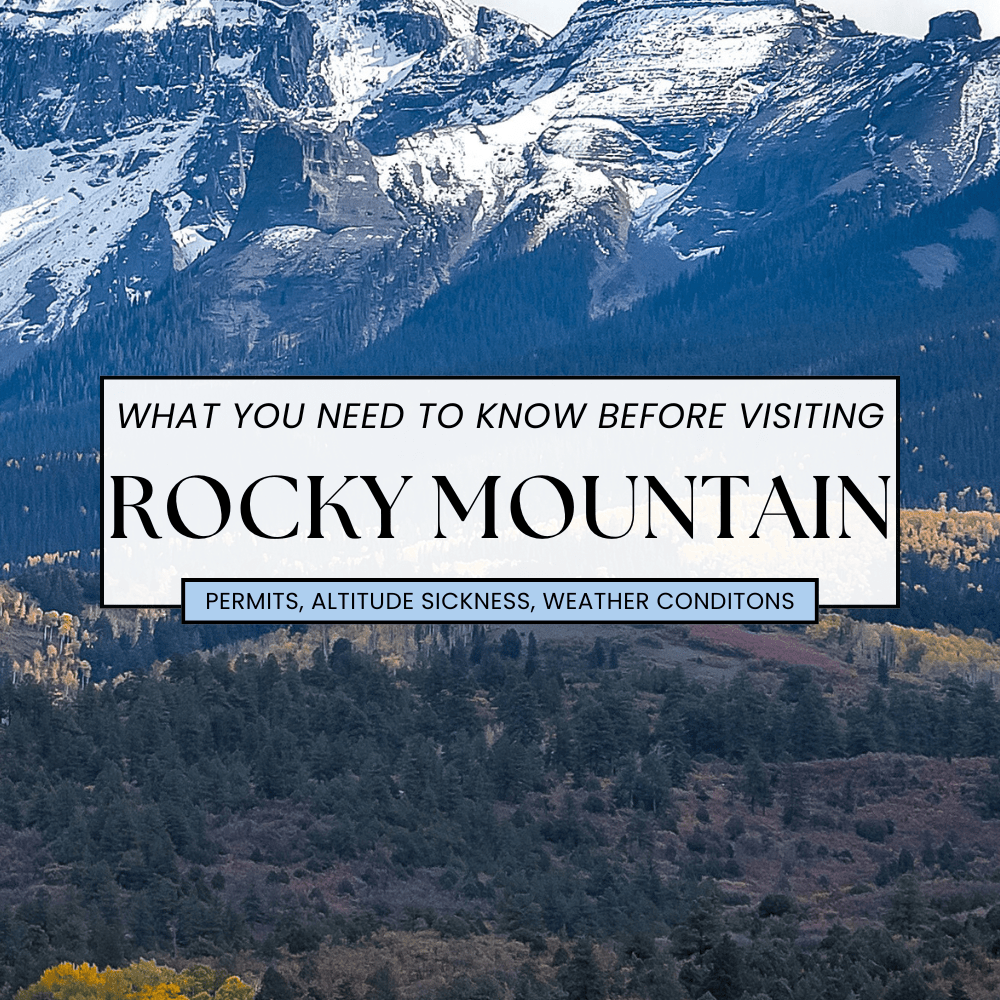
Rocky Mountain National Park sits in north-central Colorado, about 65 miles northwest of Denver. The park covers over 415 square miles and rises from around 7,800 feet at the trailheads to 14,259 feet at the summit of Longs Peak. The elevation alone makes this place feel unlike anything in the lower 48.
The single most impressive thing about Rocky Mountain is Trail Ridge Road. It’s the highest continuous paved road in the US, crossing the park at over 12,000 feet for about 11 miles. You drive through open alpine tundra where the trees disappear entirely and the views stretch in every direction. Pull off at any overlook and you’re looking out over glacially carved valleys and peaks that go on as far as you can see.
What to know before you go:
Rocky Mountain requires a timed entry reservation from late May through mid-October. There are two entry windows — early morning and midday — and they sell out fast, especially on weekends. Book through recreation.gov as soon as your trip dates are set.
The park has over 350 miles of trails ranging from flat lakeside walks to technical alpine routes. Longs Peak is the only 14er in the park and draws serious hikers, but the approach is long and the summit requires scrambling. Most visitors are better served by trails like Sky Pond, Bear Lake, and the Emerald Lake loop, which offer alpine scenery without the commitment.
Best time to visit: Late June through September for hiking. Trail Ridge Road typically opens in late May and closes in October depending on snowfall. Fall brings golden aspen color in late September and early October, and crowds thin out considerably after Labor Day.
Gateway town: Estes Park sits right at the east entrance and has lodging, restaurants, and gear shops. It gets busy in summer, so book accommodation early. If you want something quieter, Grand Lake on the west side is a good alternative.
Planning a full trip to Rocky Mountain? Read our complete guide: What You Need to Know Before Planning a Trip to Rocky Mountain National Park
Great Smoky Mountains National Park, Tennessee & North Carolina
Great Smoky Mountains National Park is the most visited national park in the country — over 12 million people per year — and it’s free to enter, which is part of why. But popularity doesn’t make it less worth visiting. The Smokies have a different character than the western parks: older, rounder mountains covered in dense hardwood forest, with a persistent haze from humidity and natural tree emissions that gives the range its name.
The park straddles the Tennessee-North Carolina border and covers over 500,000 acres. Clingmans Dome, at 6,643 feet, is the highest point in the Smokies and the highest point on the entire Appalachian Trail. The observation tower at the summit gives you 360-degree views above the tree canopy on a clear day.
What to know before you go:
Cades Cove is the most popular spot in the park — an 11-mile loop road through an open valley with historic homesteads, barns, and churches from the 1800s still standing. Wildlife is consistently good here: black bears, white-tailed deer, and wild turkeys are common sightings, especially early morning. The loop is closed to cars Wednesday and Saturday mornings for bikers and hikers.
Roaring Fork Motor Nature Trail is a one-way scenic road through old-growth forest that most visitors skip because it’s not well signed. It passes several waterfalls and historical cabin sites and feels far more remote than it is.
The park has over 800 miles of trails. Alum Cave Trail is one of the best moderate hikes — 4.4 miles round trip to a dramatic bluff formation with views of the surrounding ridgeline. Laurel Falls is the most popular waterfall hike and gets crowded early.
Synchronous fireflies: Every year in late May or early June, one section of the park hosts synchronous fireflies — a species that flashes in coordinated patterns. It’s one of only a few places in the world where this happens. The park runs a lottery for vehicle passes to access the viewing area. It fills up fast and is genuinely worth planning around if the timing works.
Best time to visit: Fall is the best season — peak foliage runs mid-October through early November and the color is exceptional. Spring wildflower season (April–May) is a close second. Summer is crowded and humid. Winter is underrated — quiet, occasional snow on the ridgelines, and good visibility for mountain views.
Gateway towns: Gatlinburg and Cherokee are the main entry points. Gatlinburg is tourist-heavy but convenient. Bryson City on the North Carolina side is a quieter option.
No America the Beautiful Pass needed — Great Smoky Mountains is free to enter.
The Cascade Range, Washington & Oregon
The Cascades run roughly 700 miles from northern California through Oregon and Washington into Canada. They’re a volcanically active range — Mount St. Helens erupted as recently as 1980, and several peaks including Rainier, Hood, and Shasta are considered active or potentially active. The national parks and volcanic monuments along this range each have a distinct character worth spending time in.
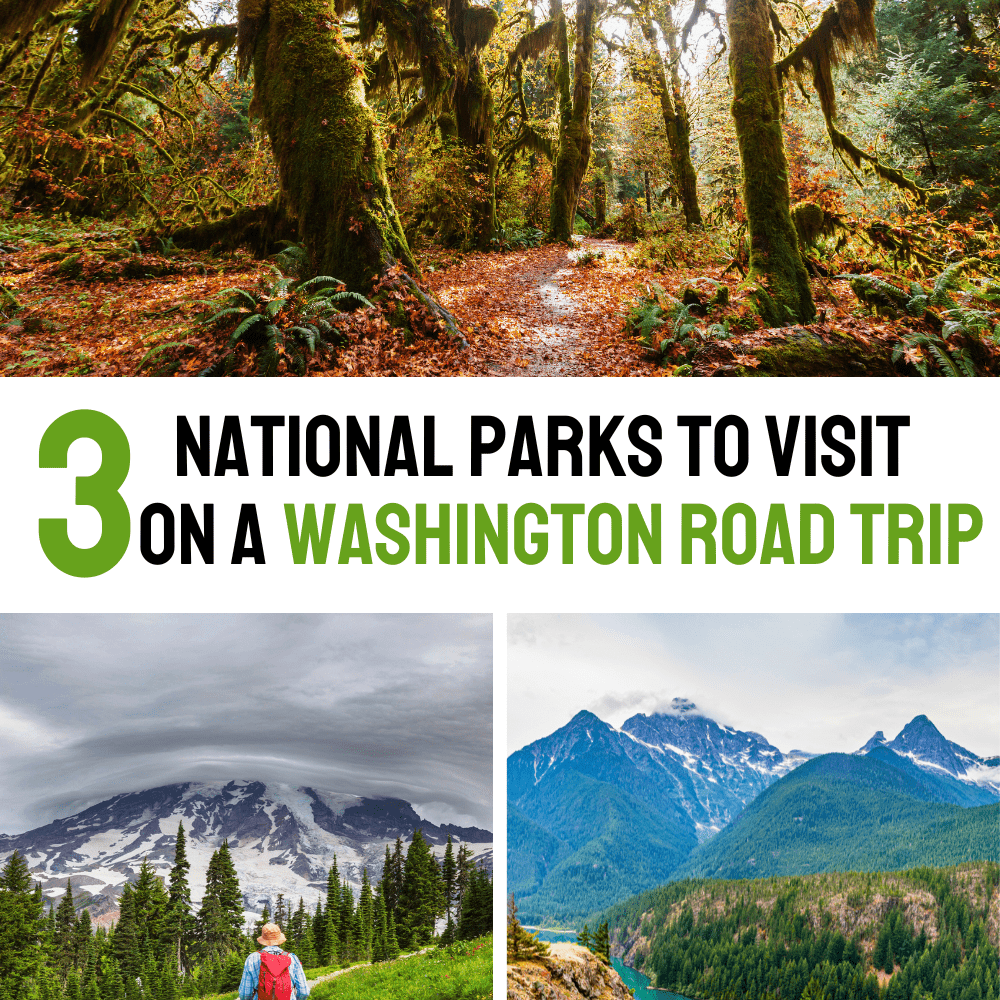
Mount Rainier National Park is the centerpiece. Mount Rainier rises to 14,411 feet and is visible from Seattle on clear days, but standing inside the park with the full mountain above you is a different experience entirely. The Paradise Valleyarea on the south side sits at 5,400 feet and gives you direct views of the glaciated upper mountain, wildflower meadows in summer, and some of the most accessible subalpine terrain in the Pacific Northwest. The Skyline Trail is a 5.5-mile loop from Paradise that stays high and gives you sustained mountain views throughout.
Reflection Lakes, a short drive from Paradise, is one of the best photography spots in the park — calm water, full mountain reflection, and easy roadside access.
North Cascades National Park is one of the least visited parks in the lower 48, which means the scenery-to-crowd ratio is outstanding. Highway 20 cuts through the park between Marblemount and Winthrop and is considered one of the most scenic drives in Washington. The landscape is glacier-heavy — over 300 glaciers within the park — with sharp ridgelines and valley lakes that are deeply colored from glacial sediment. There’s limited road access into the backcountry, which keeps development low and the wilderness feel intact.
Crater Lake National Park in Oregon is worth the detour south. Crater Lake formed about 7,700 years ago when a volcanic eruption caused Mount Mazama to collapse. The lake is nearly 2,000 feet deep and has no inlet or outlet — it’s fed entirely by rain and snowmelt, which is why the water is some of the clearest and most intensely blue in the world. Rim Drive is a 33-mile loop around the caldera with multiple overlooks. Wizard Island sits in the middle of the lake and can be reached by boat in summer (currently closed for the 2026 season).
Best time to visit the Cascades: Mid-July through September for most hiking. The passes on Highway 20 close in winter. Rainier’s Paradise area gets heavy snow — often 600+ inches per year — and the road may be closed into June.
America the Beautiful Pass covers Rainier, North Cascades, and Crater Lake.
Visiting Rainier and North Cascades? We have a full road trip itinerary: The Only Washington National Parks Road Trip You Need
The Sierra Nevada, California
The Sierra Nevada stretches about 400 miles along the eastern edge of California, forming a dramatic barrier between the Central Valley and the Great Basin. This is John Muir country — the range that shaped American conservation. It holds Yosemite, Sequoia, Kings Canyon, and some of the most iconic alpine terrain in the country.
Yosemite National Park is the most visited park in the Sierra and one of the most recognizable landscapes in the world. The valley floor is compact — about 7 miles long — and the concentration of landmarks is genuinely extraordinary. El Capitan is a 3,000-foot sheer granite wall on the north side of the valley. Half Dome anchors the east end. Bridalveil Falldrops 617 feet directly across from the Tunnel View overlook. You can see all three in a single glance from that viewpoint.
Glacier Point is the overlook most visitors miss because it requires a side trip. It sits at 7,214 feet with a direct view down into the valley and across to Half Dome. It’s one of the most dramatic viewpoints in any national park in the country.
Heading to Yosemite? Read our complete 2026 planning guide: What You Must Know Before Visiting Yosemite in 2026
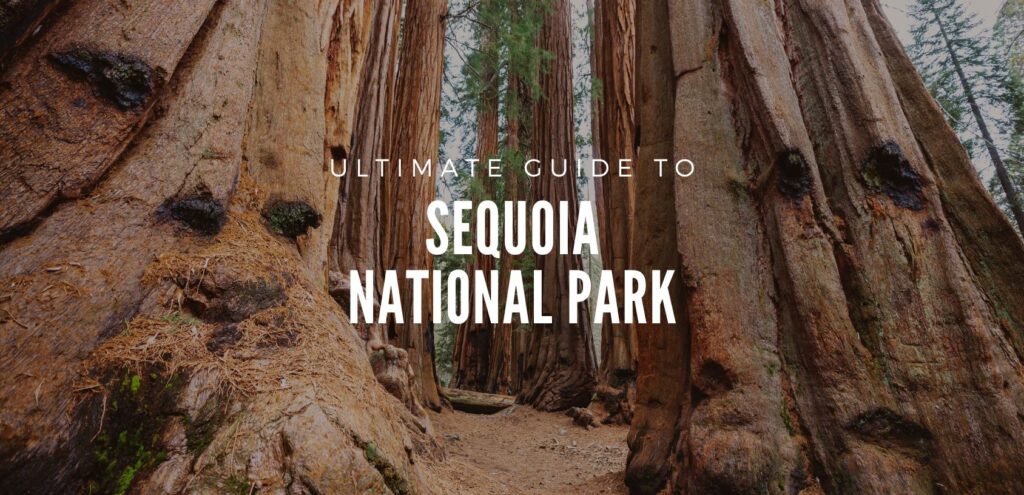
Sequoia and Kings Canyon National Parks sit south of Yosemite and are managed jointly. The General Sherman Treein Sequoia is the largest tree by volume on Earth — 274 feet tall and over 36 feet in diameter at its base. The scale doesn’t fully register until you’re standing next to it. Kings Canyon has the deepest canyon in North America and receives a fraction of Yosemite’s crowd despite being equally impressive.
Lake Tahoe sits on the border between California and Nevada at 6,225 feet. It’s the largest alpine lake in North America and one of the clearest. The lake is surrounded by ski resorts in winter and hiking trails in summer. Emerald Bay State Park on the southwest shore is the most photographed spot — a small island, a sunken teahouse, and water that actually looks that color.
Mount Whitney, at 14,505 feet, is the highest point in the contiguous United States. The main trail is 22 miles round trip with about 6,100 feet of elevation gain. Permits are required and competitive — apply through the wilderness permit lottery in February.
Best time to visit: May through October for most of the Sierra. High passes and backcountry routes open later, typically July. Fall is excellent — crowds drop sharply after Labor Day and temperatures are mild.
America the Beautiful Pass covers Yosemite, Sequoia, and Kings Canyon. Lake Tahoe is a National Recreation Area and parts are also covered.
Grand Teton National Park, Wyoming
Grand Teton National Park sits just south of Yellowstone in northwest Wyoming, and the two parks are often visited together. But the Tetons deserve their own trip. The defining feature of this park is the view — the Teton Range rises over 7,000 feet directly from the flat floor of Jackson Hole valley with no foothills in between. There’s nothing softening the transition from valley to peak. You pull over on Teton Park Road, look west, and the mountains just go straight up.
The tallest peak, Grand Teton, stands at 13,775 feet. On clear days — and there are a lot of them in summer — the reflection of the range in the Snake River and in the smaller lakes throughout the valley is one of those views that makes you understand why people drive across the country for it.
What to know before you go:
Jenny Lake is the most popular area in the park and is worth the crowds. The lake sits directly below the central peaks and has a shuttle boat that runs across to the west shore, cutting the hiking distance to Hidden Falls and Inspiration Pointsignificantly. The full Jenny Lake Trail loop is 7.7 miles. Get there early — the parking lot fills before 9am in summer.
The Snake River winds through the valley floor and is excellent for wildlife. Moose, bald eagles, and river otters are common sightings. Float trips on the Snake River are a good way to cover ground at a slower pace and are easy to book through outfitters in Jackson.
Oxbow Bend is a flat, marshy stretch of the river northeast of Jenny Lake and is consistently one of the best wildlife spots in the park — moose especially, particularly in early morning and evening.
Schwabacher Landing is the spot for mountain reflections in the Snake River. It’s a short dirt road off the main highway and most people drive past it without knowing it’s there. Come at sunrise.
Best time to visit: June through September for hiking and wildlife. Wildflowers peak in July. Fall brings golden cottonwoods along the river corridor in late September and October, and the crowds thin considerably. The park is open year-round but some roads close in winter.
Gateway town: Jackson is 7 miles south and has lodging, restaurants, and gear shops. It’s expensive — Teton Village and the surrounding area is resort-priced. Dubois, about 55 miles east, is a much cheaper base if you’re on a budget.
America the Beautiful Pass covers Grand Teton.
Looking for information on Glacier National Park? Read our complete 2026 guide: Glacier National Park 2026: Everything You Need to Know
Planning Tips for Mountain National Parks
Get the America the Beautiful Pass. It’s $80 for the year and covers all five of these destinations except Great Smoky Mountains (which is free). If you’re hitting two or more of these parks in a trip, it pays for itself immediately.
Book reservations early. Rocky Mountain, Yosemite, and Grand Teton all have timed entry or day-use reservation systems in peak season. Check recreation.gov well before your trip.
Altitude matters. Rocky Mountain, Grand Teton, and the Sierra Nevada all have significant elevation. If you’re coming from sea level, give yourself a day to adjust before attempting long or strenuous hikes. Headaches, fatigue, and shortness of breath are normal; pushing too hard too fast is how trips get cut short.
Weather changes fast. Above treeline, afternoon thunderstorms are common in summer, particularly in the Rockies and Sierra. Start hikes early and be off exposed ridges by early afternoon.
Gateway towns keep costs down. Lodging inside or immediately adjacent to the park is expensive and books out fast. Towns 30-60 minutes out are significantly cheaper and often more interesting anyway.
Frequently Asked Questions
What is the most scenic mountain national park in the US? That depends on what you’re after. Grand Teton has the most dramatic unobstructed mountain views. Rocky Mountain gives you the highest drivable elevation. The Cascades are the most volcanically active. All five parks on this list are worth the trip — the best one is usually the one you haven’t been to yet.
Do you need reservations for mountain national parks? As of the 2026 season, Rocky Mountain is currently the only park on this list that requires timed entry reservations in peak season, running late May through mid-October. Yosemite, Grand Teton, and the others dropped their reservation systems. Always check nps.gov before you go since policies can change year to year.
What is the best time of year to visit mountain national parks? Late June through September is the sweet spot for most of these parks — roads are open, trails are accessible, and wildflowers are out. Fall (September–October) is excellent for fewer crowds and foliage color, especially in the Smokies and Rockies. Spring and winter visits are possible but require more planning around road closures and snow.
Is the America the Beautiful Pass worth it for mountain parks? Yes, if you’re visiting two or more parks on this list. At $80 for the year it covers Rocky Mountain, Rainier, North Cascades, Crater Lake, Yosemite, Sequoia, Kings Canyon, and Grand Teton. Great Smoky Mountains is the only one on this list that’s free to enter regardless.
What is the highest mountain you can drive to in the US? Trail Ridge Road in Rocky Mountain National Park reaches 12,183 feet at its highest point, making it the highest continuous paved road in the country. You can pull over and walk around at that elevation with no hiking required beyond a few steps from your car.