Last Updated on May 21, 2026 by Melissa
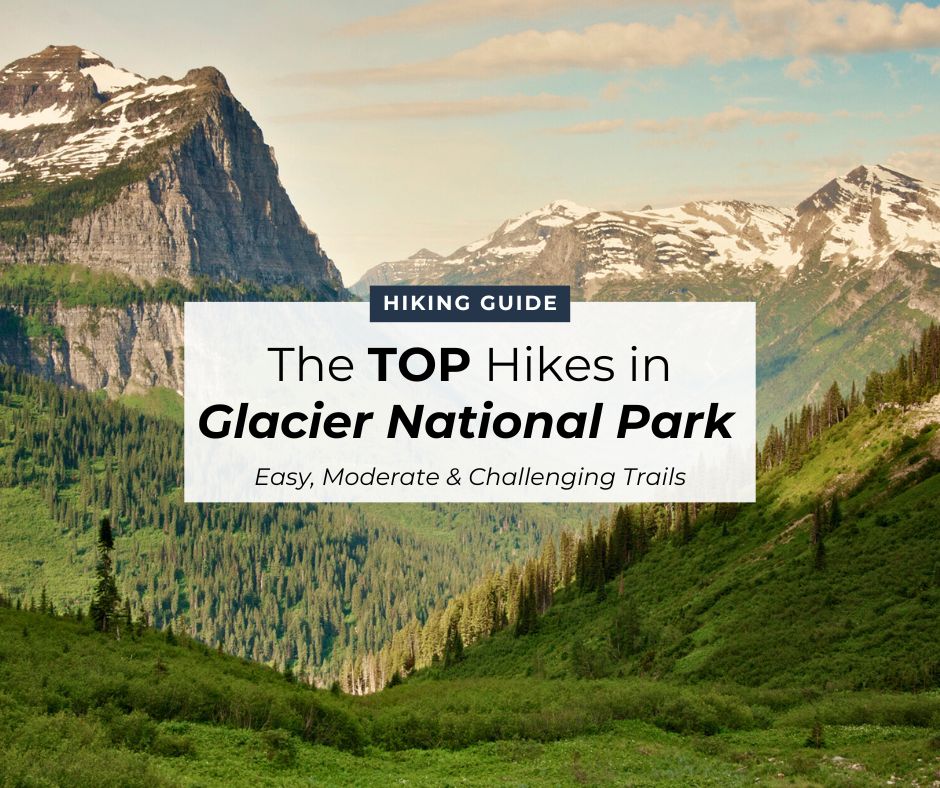
Glacier National Park has always been one of those places that stops you in your tracks — but planning a visit in 2026 looks a little different than it did even a year ago. The reservation system has been overhauled, Logan Pass has new rules, and if you’re not paying attention, you could show up and miss the best parts of the park entirely. This guide pulls everything together: what changed, the best time to visit, how to avoid crowds, and a full breakdown of the best hikes from easy to challenging.
Some of the links on this website are affiliate links, which means we may earn a small commission if you make a purchase through them — at no additional cost to you. These commissions help support Part Time Adventuring and allow us to continue creating free travel guides, national park itineraries, hiking resources, and adventure content.
Glacier National Park Changes in 2026: The New Rules You Need to Know
The big headline is that vehicle reservation for Going-to-the-Sun Road is gone. You can now drive the full 52-mile road whenever you want — no timed entry, no booking windows.
But here’s the catch: the Logan Pass shuttle is now reservation-only.
But here’s the catch: Logan Pass — the crown jewel of Going-to-the-Sun Road — also has a 3-hour parking limit starting July 1. The park has implemented a reservation only shuttle to reach Logan Pass only. These shuttles will not board passengers without a ticket. This is effectively the new reservation system for the most popular part of the park, just packaged differently.
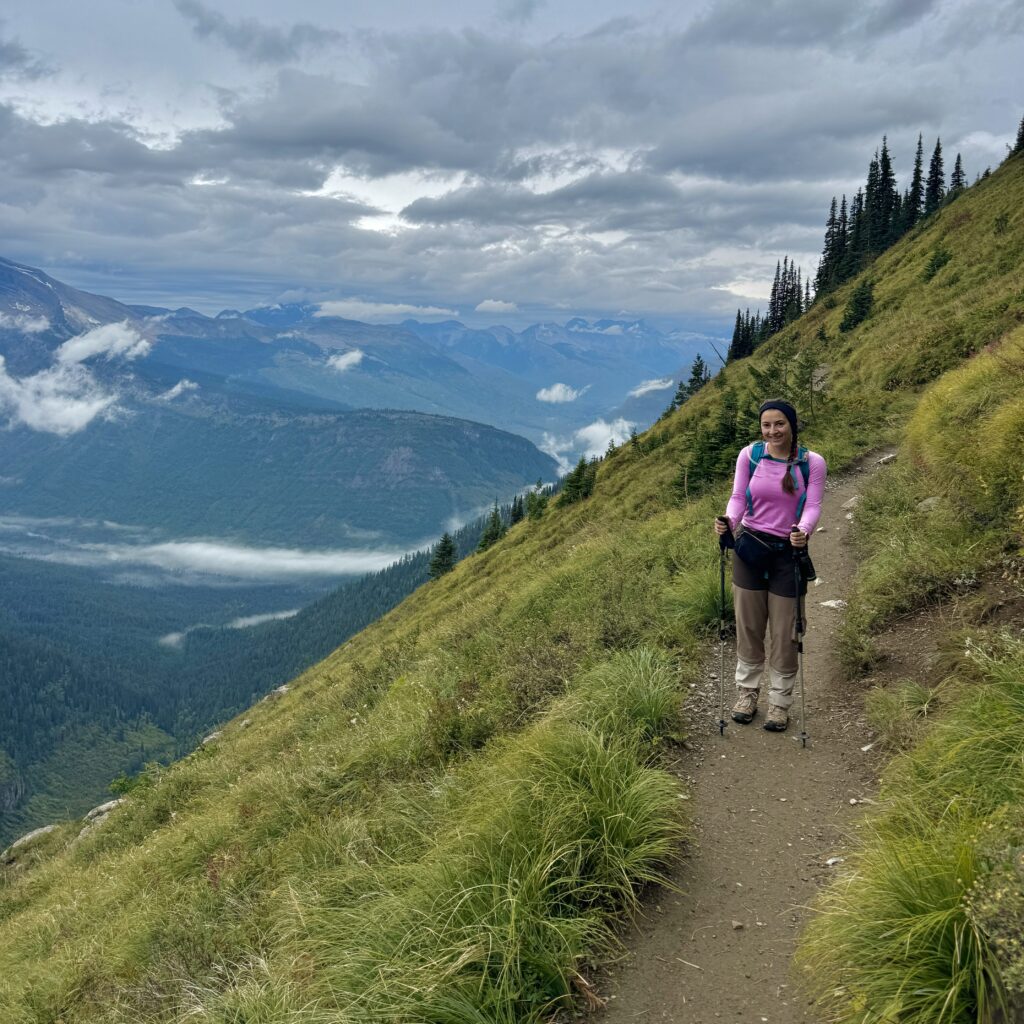
So in summary, if you want to hike only mid to long length trails starting at Logan’s Pass (like the popular Highline Trail. You will have to reserve the shuttle.
How to book: Head to Recreation.gov and grab your shuttle ticket for $1. Reservations open 60 days in advance, with a new batch released at 7pm the night before. Book the moment you know your dates — don’t skip this step.
Shuttle Service to Logan Pass West side: board at Apgar Visitor Center or Lake McDonald Lodge. East side: board at St. Mary Visitor Center or Rising Sun Picnic Area. All shuttles stop at Logan Pass only — no intermediate stops.
Best Time to Visit Glacier National Park
The Short Answer: September July gets all the attention — and with good reason. Full trail access, warm temps, and long days. But it also means 730,000–790,000 visitors packed into the park. Parking lots fill early, shuttles are crowded, and popular trails feel anything but wild.
September is the sweet spot. According to 2025 visitor data, September had 166,287 fewer visitors than August — and every trail, including Avalanche Lake and Hidden Lake, is still fully accessible. Fall colors are peaking, wildlife viewing is excellent, and you get all of Glacier without the chaos.
Weather can get unpredictable in September, so come prepared for rain, cooler temperatures, and even the occasional snow. Early September is your safest bet for the most stable conditions.
Seasonal Breakdown
Summer (Mid/Late June–August): Full access to every trail and the complete Going-to-the-Sun Road. Best for hiking the Highline Trail, Grinnell Glacier, and Iceberg Lake. Plan for crowded parking and busy trailheads — starting early is essential.
Fall (September–October): The best-kept secret in the park. September still offers full trail access with dramatically fewer visitors. October drops off fast (around 165,000 visitors) and some facilities close, but the landscape is stunning.
Winter (November–March): Going-to-the-Sun Road closes, and most trails are snow-covered. Snowshoeing and cross-country skiing are available for those who come prepared, but this is a completely different kind of trip.
Spring (April–May): Waterfalls are raging — St. Mary Falls is especially dramatic during snowmelt — wildflowers are emerging, and wildlife is highly active. Road access is limited until late June, but lower-elevation trails are worth exploring.
When Does Going-to-the-Sun Road Open?
The full road typically opens between mid-June and early July, depending on snowpack. Always check nps.gov/glac before you go — conditions vary significantly year to year.
How to Plan Your Glacier Trip
Getting There The closest airport is Glacier Park International Airport (FCA) in Kalispell, about 30 miles from the west entrance. Most major carriers fly into Kalispell with connections through Denver, Salt Lake City, or Seattle. Missoula (MSO), about 2.5 hours south, is a good backup option if you find better fares.
A car is essential — you’ll want the flexibility to get to different areas of the park, especially Many Glacier on the east side.
Where to Stay You’ve got three main options depending on your style and budget:
Inside the park: Lodges like Lake McDonald and Many Glacier Hotel put you right in the heart of the action. They book out months in advance — we’re talking January for a July trip.
West Glacier & Whitefish: The most popular home base. Whitefish is a charming mountain town with great restaurants, easy highway access to the park, and plenty of vacation rentals and hotels at every price point.
East Glacier: A quieter, more remote base closer to the Many Glacier and St. Mary areas. Great if you want to avoid the west side crowds entirely.
How Many Days Do You Need? Three days is the minimum to feel like you’ve actually seen the park. Five days lets you explore both sides comfortably without feeling rushed. If you’re a serious hiker, a full week gives you time to do it right.
How to Avoid Crowds in Glacier National Park
Even in peak season, there are ways to experience Glacier without feeling like you’re in a theme park queue.
- Drive Going-to-the-Sun Road at sunrise. The road is stunning in early morning light and traffic is minimal. Park at the Apgar or St. Mary transit centers and take the shuttle up — this also sidesteps the Logan Pass parking crunch entirely.
- Explore the Many Glacier area. This side of the park is reservation-free, less crowded, and home to Grinnell Glacier and some of the best wildlife viewing in the entire park. It flies under the radar compared to Logan Pass and rewards those who seek it out.
- Consider less-trafficked trails. Siyeh Pass Trail is a stunning alternative to the Highline that sees far fewer hikers. Not every great trail at Glacier is on the top-ten lists.
- Visit on weekdays. Weekend traffic is noticeably heavier, especially in July and August.
The Best Hikes in Glacier National Park
Glacier has trails for every ability level — from flat, paved boardwalks to full-day wilderness adventures. Here’s the breakdown.
Easy Hikes
Trail of the Cedars
1-mile loop | Minimal elevation gain | 30–60 minutes
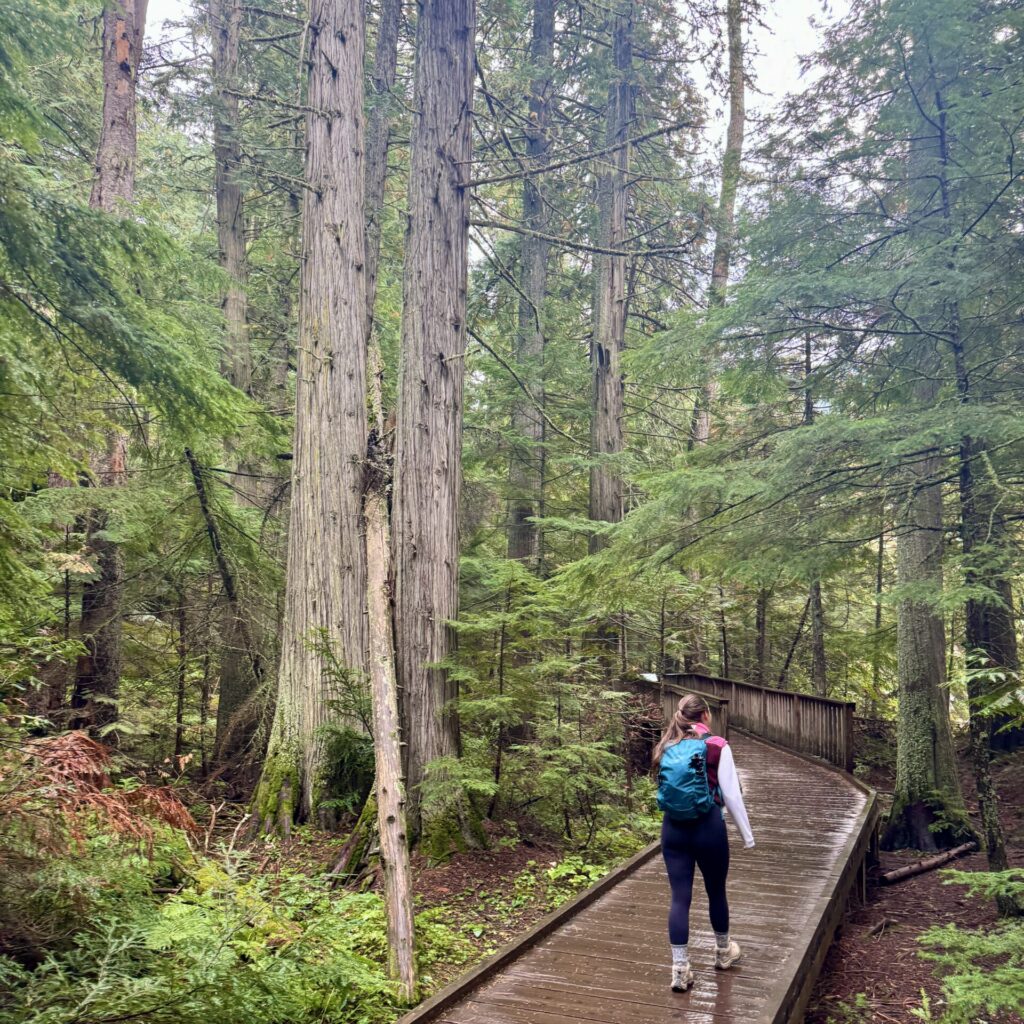
A serene boardwalk through an ancient cedar and hemlock forest, with views of Avalanche Creek and its cascading waters. Wheelchair- and stroller-accessible. This is a great first hike in the park and a perfect introduction to Glacier’s unique lower-elevation ecosystem. Pro tip: combine it with Avalanche Lake for a longer, more rewarding day.
Hidden Lake Overlook
2.7 miles out-and-back | 550 ft elevation gain | 1.5–2 hours
Starting at Logan Pass, this trail delivers sweeping views of Hidden Lake surrounded by towering peaks. Mountain goat and marmot sightings are common. It’s one of the most scenic short hikes in the park for the effort required. Arrive early — Logan Pass fills fast, and with the new 3-hour parking limit, planning your arrival matters even more in 2026.
Apikuni Falls
2 miles roundtrip | 580 ft elevation gain | 1–1.5 hours
A short but satisfying hike to a 150-foot cascading waterfall framed by dramatic cliffs. Great for families and visitors with limited time. Bring bug spray — this trail can get buggy in summer.
Moderate Hikes
Avalanche Lake via Trail of the Cedars
6 miles roundtrip | 760 ft elevation gain | 2–3 hours
One of the most popular moderate hikes in the park, and for good reason. The trail combines the shaded forest boardwalk of Trail of the Cedars with a stunning payoff: a pristine alpine lake encircled by multiple waterfalls and sheer cliffs. Start early for fewer crowds and better light for photos.
St. Mary Falls and Virginia Falls
3 miles roundtrip | 450 ft elevation gain | 1.5–2.5 hours
A short trail connecting two of Glacier’s most iconic waterfalls through lush forest. These falls are particularly impressive in late spring and early summer when snowmelt is at its peak — the water volume is something else.
Grinnell Lake
7 miles roundtrip | 480 ft elevation gain | 3–4 hours
A turquoise glacial lake surrounded by rugged peaks and wildflowers, with surprisingly minimal elevation gain for the distance. High reward, accessible to most fitness levels. Don’t confuse this with the Grinnell Glacier Trail — they’re different hikes with very different demands.
Challenging Hikes
Grinnell Glacier Trail
10.6 miles roundtrip | 2,000 ft elevation gain | 5–7 hours
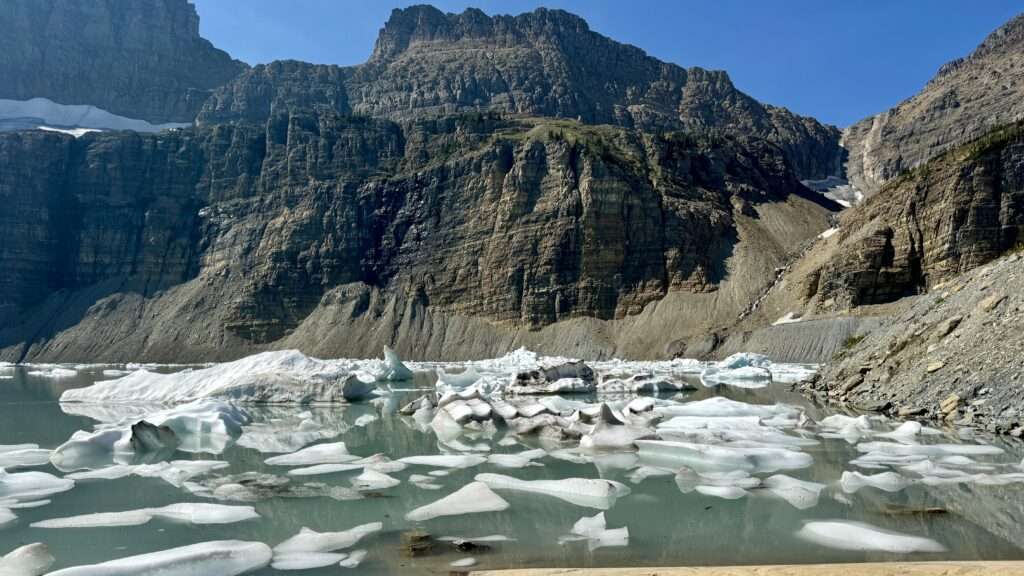
The best hike in the park. Arguably the best hike in the national park system. The Grinnell Glacier Trail takes you up close to an actual glacier, along a glacial-fed lake, and through terrain where mountain goats and bighorn sheep are a regular sight. It’s a long day but every mile earns its keep. The Many Glacier area (where this trail begins) is also significantly less crowded than the Logan Pass corridor.
Bring bear spray, layers, and plenty of water. Start early — afternoon thunderstorms are common and the trail is exposed in the upper sections.
Highline Trail to Haystack Pass
7 miles roundtrip | 800 ft elevation gain | 3–4 hours
This is the trail everyone talks about when they talk about Glacier. Starting at Logan Pass and traversing the Garden Wall, the Highline hugs dramatic cliffs with panoramic views the entire way. Wildlife sightings are frequent, wildflowers are everywhere in summer, and the exposure makes it feel genuinely adventurous without being dangerous. If you can only do one hike at Logan Pass, this is the one. Even just a few miles out from the trailhead is worth the shuttle reservation alone. Don’t miss the optional side trip to Haystack Butte for even bigger views.
Iceberg Lake
9.7 miles roundtrip | 1,450 ft elevation gain | 4–6 hours
A glacial lake surrounded by sheer cliffs, often dotted with floating icebergs even in late summer — hence the name. The approach is challenging but manageable, and the destination is genuinely jaw-dropping. Wear waterproof shoes, as melting snow and creek crossings are common on the trail.
Essential Tips Before You Go
Book the Logan Pass shuttle first. Everything else can be figured out on the fly. This cannot. Head to Recreation.govand lock in your date as soon as you know it.
Book lodging early. Both in-park lodges and nearby Whitefish vacation rentals fill months in advance for summer. If you’re visiting in July or August, don’t leave this to the last minute.
Pack for everything. Glacier weather changes fast. Warm afternoons, cold mornings, and rain showers in the same day are completely normal. A rain jacket and layers aren’t optional.
Bring bear spray and know how to use it Glacier has both grizzly and black bears. Bear spray should be accessible on every hike, not buried in your pack. You can rent bear spray at the park if you are flying in.
Carry plenty of water. At least 2 liters per person for any moderate or longer hike.
Check conditions before you go. Trail closures, snow coverage, and road access all vary. Check nps.gov/glac or AllTrails+ for current conditions before heading out.
Start early, always. Popular trailheads fill by mid-morning in peak season. Early starts mean better parking, quieter trails, and better light for photos.
The Bottom Line
Glacier is one of the most spectacular places in the country, and 2026 is actually a great year to visit — the end of vehicle reservations means more flexibility than the park has had in recent years. The Logan Pass shuttle system is the new gatekeeper, but it’s easy to navigate if you plan ahead.
May and September remain the best months for those who want real wilderness without the summer madness. And if you’re going in peak season, just start early, book your shuttle, and make your way to the Many Glacier side of the park — you’ll wonder why everyone else is fighting over Logan Pass parking.
Planning more national park adventures? Check out some of our other popular guides: learn how to avoid crowds at national parks so every visit feels like Glacier in September, find out if the America the Beautiful Pass is worth it for your trip (spoiler: if you’re visiting more than one park, it almost always is), and if Glacier has you hooked on the West, don’t miss our guide to the best national parks in the American West.