Last Updated on June 5, 2026 by Melissa
Four days is a surprisingly powerful amount of time in a national park. It’s enough to get past the highlights and into the places most visitors never reach — but short enough that you can pull it off over a long weekend or with minimal time off work. After visiting 54 of the 63 US national parks, we’ve learned which parks reward a 4-day stay and how to make the most of every hour.
This guide covers both: a day-by-day framework that works for any national park trip, plus a compact 4-day snapshot for six parks we’d recommend without hesitation.
Some of the links on this website are affiliate links, which means we may earn a small commission if you make a purchase through them — at no additional cost to you. These commissions help support Part Time Adventuring and allow us to continue creating free travel guides, national park itineraries, hiking resources, and adventure content.
Pro tip: If you’re planning to visit more than one park this year, an America the Beautiful Annual Pass pays for itself fast. We cover everything you need to know in our America the Beautiful Pass guide.
How to Structure a 4-Day National Park Trip
Before we get into specific parks, here’s the framework we use every time. The structure is the same regardless of which park you’re visiting — only the activities change.
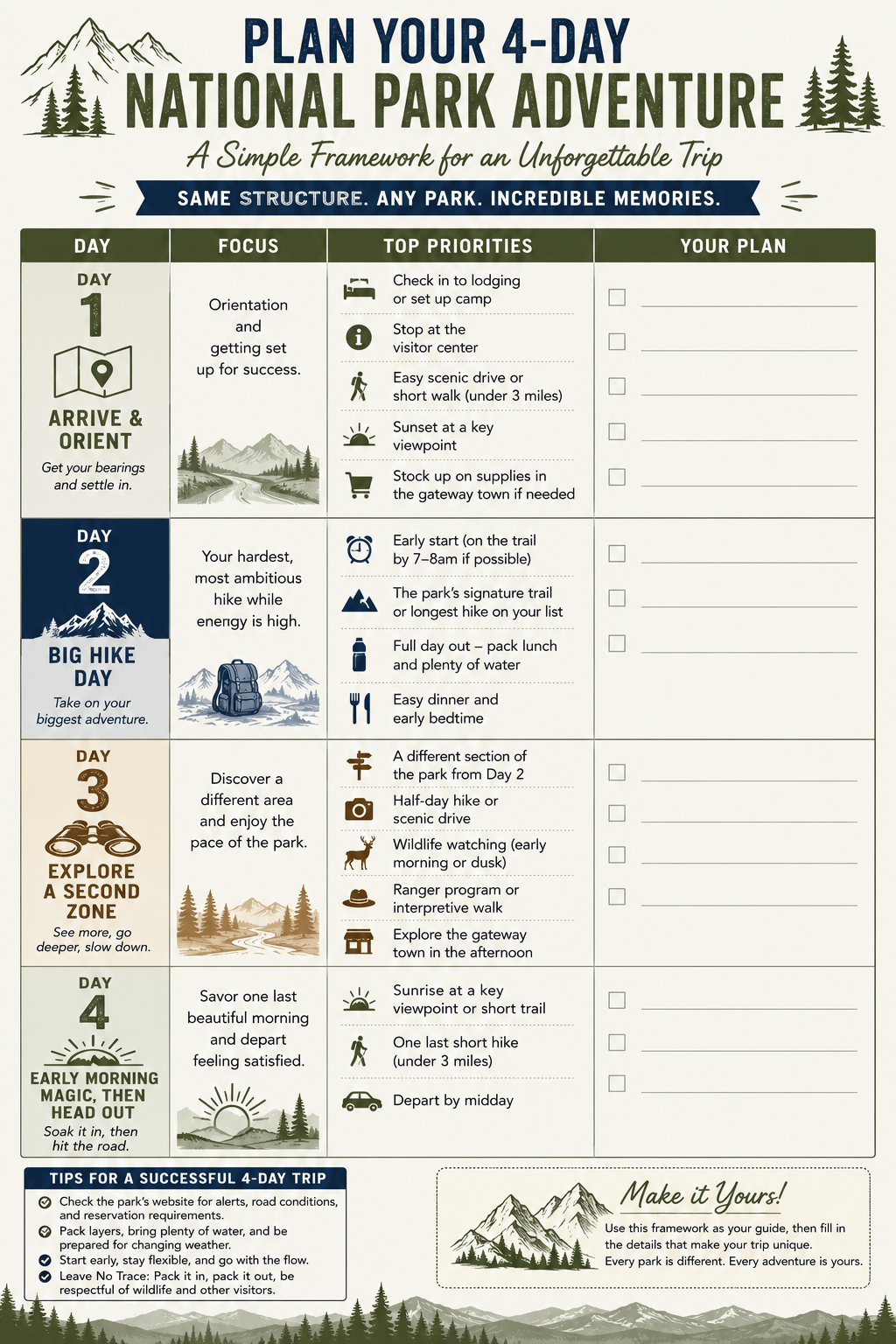
Day 1 — Arrive and Orient
Don’t try to squeeze in a big hike on arrival day. Use this time to drive through the park’s main corridor, stop at the visitor center to pick up a map and talk to a ranger, and get your bearings. Catch sunset at a viewpoint near your lodging. This day sets you up to move faster and smarter for the next three days.
- Check in to lodging or set up camp
- Stop at the visitor center
- Easy scenic drive or short walk (under 3 miles)
- Sunset at a key viewpoint
- Stock up on supplies in the gateway town if needed
Day 2 — Big Hike Day
This is the day for your hardest, most ambitious hike. Your legs are fresh, your energy is high, and you’ve already done the orientation work. Don’t save the big hike for Day 3 or 4 — you’ll regret it.
- Early start (on the trail by 7–8am if possible)
- The park’s signature trail or longest hike on your list
- Full day out — pack lunch and plenty of water
- Easy dinner and early bedtime
Day 3 — Explore a Second Zone
Most parks have more than one area worth exploring. Use Day 3 to get into a different part of the park — a secondary trailhead, a scenic drive you haven’t done, a ranger program, or a half-day hike followed by time in the nearest town. This is also your best day for wildlife watching, which tends to be better when you’re moving more slowly.
- A different section of the park from Day 2
- Half-day hike or scenic drive
- Wildlife watching (early morning or dusk)
- Ranger program or interpretive walk if available
- Explore the gateway town in the afternoon
Day 4 — Early Morning Magic, Then Head Out
Sunrise in a national park is almost always worth the alarm. Pick one spot you haven’t seen yet, get there before light, and soak it in. Keep the morning hike short and manageable, and plan to be on the road by midday so you’re not rushing.
- Sunrise at a key viewpoint or short trail
- One last short hike (under 3 miles)
- Depart by midday
The Best National Parks for a 4-Day Trip
1. Zion National Park, Utah
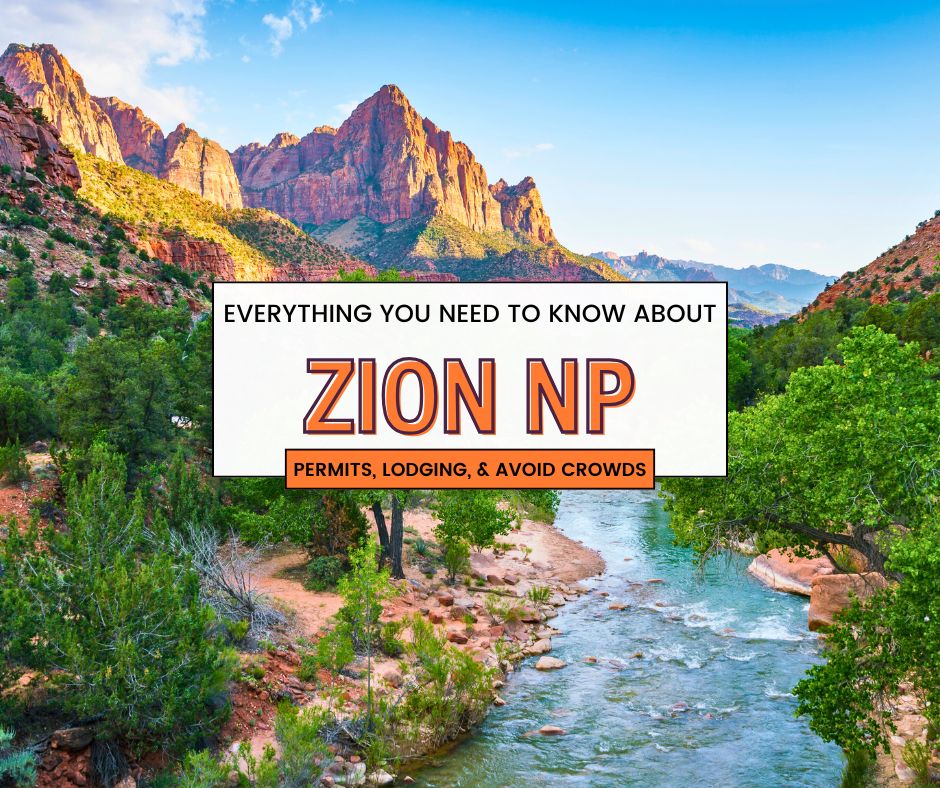
Zion is one of the most visited national parks in the country for good reason — the slot canyon scenery is unlike anything else in the US, the trail network is compact and well-connected, and the town of Springdale sits right outside the entrance. Of all the parks we’ve visited, Zion is the one where four days feels exactly right — enough time to do both iconic hikes without rushing, with a full day left over to breathe.
Getting there: Fly into Las Vegas (LAS), about 2.5 hours away — this is your best bet for flight options and affordable car rentals. St. George Regional Airport (SGU) is only 45 minutes from the park but has limited routes. Salt Lake City (SLC) is about 4.5 hours and works well if you’re combining Zion with other Utah parks.
Gateway towns: Springdale is the primary base — it’s walkable, has great restaurants, and the free park shuttle picks up right in town. St. George is a good alternative if Springdale is booked out.
Your 4 Days at Zion:
- Day 1 — Arrive Springdale, Zion National Park Visitor Center, Riverside Walk, sunset at Canyon Junction Bridge
- Day 2 — Angels Landing (permit required via recreation.gov lottery) or The Narrows — pick one, do it right
- Day 3 — Emerald Pools Trail, Canyon Overlook Trail, explore Springdale
- Day 4 — Watchman Trail at sunrise, Kolob Canyons if time allows, depart
Need to know: The park shuttle is mandatory in peak season — you cannot drive the main canyon road. Angels Landing requires an advance permit. Spring and fall are the best seasons; summer is brutally hot and crowded.
2. Glacier National Park, Montana
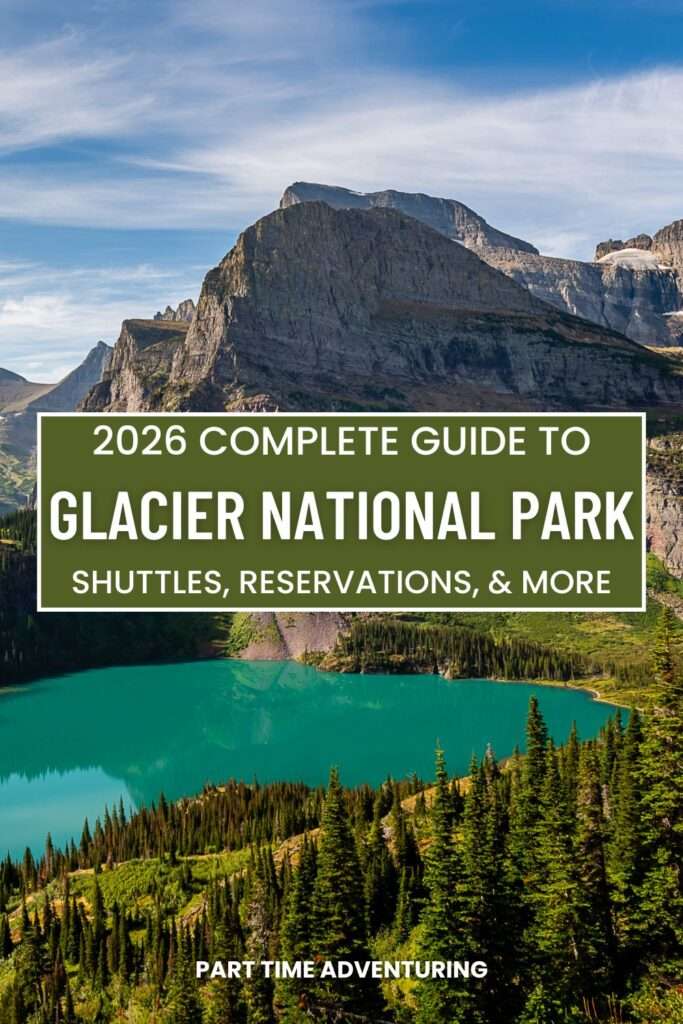
Glacier is one of the most dramatic parks in the lower 48, and four days gives you enough time to drive Going-to-the-Sun Road, explore both the west and east sides of the park, and get into the backcountry on at least one serious hike. We’ve found that four days at Glacier hits a sweet spot — you’re not rushing through it, but you’re also not waiting around for the same views twice.
Getting there: Fly into Glacier Park International Airport (FCA) in Kalispell, Montana — it’s about 30 miles from the west entrance and is the most convenient option. If flights are limited or expensive, Missoula (MSO) is about 2 hours away and typically has better connections.
Gateway towns: West Glacier and Whitefish are the main bases for the west side of the park. St. Mary is the gateway for the east side and Many Glacier area — worth considering if you want easy access on Day 3.
Your 4 Days at Glacier:
- Day 1 — Arrive West Glacier, Apgar Village, Lake McDonald, sunset from the lakeshore
- Day 2 — Going-to-the-Sun Road full drive, Logan Pass, Hidden Lake Overlook hike
- Day 3 — Many Glacier area — Grinnell Glacier Trail (10.6 miles round trip, one of the best hikes in the park)
- Day 4 — Two Medicine area (far less crowded), Running Eagle Falls, depart
Need to know: Going-to-the-Sun Road requires a vehicle reservation during peak season. The road typically doesn’t fully open until mid-to-late June. Book lodging 6+ months out — options inside the park sell out fast. [Read our full Glacier National Park guide — LINK].
3. Grand Teton National Park, Wyoming
The Tetons may be the most photogenic mountain range in the US, and the park is set up extremely well for a 4-day trip. The trail network is concentrated, Jackson is a great base with strong food and lodging options, and wildlife viewing here — bison, moose, elk, bears — is some of the best in any national park. Grand Teton is also one of the few parks where we think the drive between stops is just as rewarding as the destinations themselves.
Getting there: Jackson Hole Airport (JAC) is 10 miles from the park entrance and is the most convenient option — it’s the only commercial airport inside a US national park. It’s small though, so flights can be pricey. Salt Lake City (SLC) is a 4.5-hour drive and often much cheaper to fly into.
Gateway towns: Jackson is the main hub with the best dining and lodging variety. Moose and Moran are smaller options right at the park boundary for those who want to minimize driving.
Your 4 Days at Grand Teton:
- Day 1 — Arrive Jackson, drive Antelope Flats and Mormon Row, sunset at Oxbow Bend
- Day 2 — Cascade Canyon hike via Jenny Lake (full day, up to 9 miles depending on how far you go)
- Day 3 — Colter Bay area — kayaking on Jackson Lake, wildlife loop at Willow Flats at dusk
- Day 4 — Sunrise at Schwabacher Landing, Snake River Overlook, depart
Need to know: No timed entry reservations are currently required for Grand Teton. Moose and bear sightings are common — keep distance and carry bear spray. Summer and early fall are the best times to visit.
4. Rocky Mountain National Park, Colorado
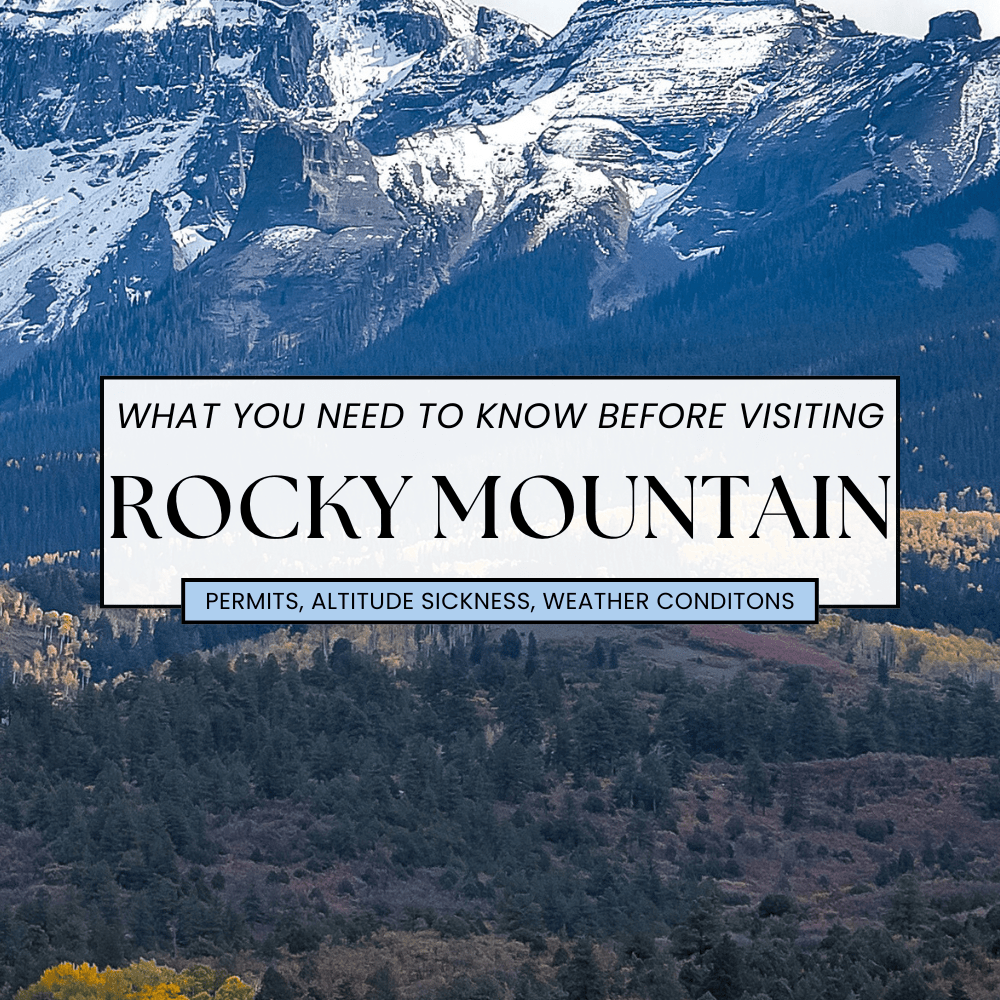
Rocky Mountain is a high-altitude playground that most people only scratch the surface of. Trail Ridge Road alone — the highest continuous paved highway in the US — is worth a dedicated day, and the Bear Lake corridor has some of the best accessible hiking in the park. Rocky Mountain is particularly underrated for fall visits — the elk rut in September is one of the most spectacular wildlife events in any national park.
Getting there: Denver International Airport (DEN) is the clear choice — it’s about 1.5 hours from Estes Park and one of the most well-connected airports in the country. Colorado Springs Airport (COS) is a slightly shorter drive but with fewer flight options.
Gateway towns: Estes Park is the main gateway on the east side of the park — charming, walkable, and full of dining and lodging options. Grand Lake is the quieter alternative on the west side, worth considering if you want to skip the crowds.
Your 4 Days at Rocky Mountain:
- Day 1 — Arrive Estes Park, easy loops in the Bear Lake area, sunset at Sprague Lake
- Day 2 — Trail Ridge Road full drive, Alpine Visitor Center, Tundra Communities Trail
- Day 3 — Emerald Lake hike via Nymph Lake and Dream Lake, wildlife watching at Moraine Park at dusk
- Day 4 — Lily Lake loop or Gem Lake Trail, depart
Need to know: Timed entry reservations are required during peak season (typically late May through mid-October). Book as soon as they open. The altitude is real — headaches and fatigue are common on Day 1, especially if you’re flying in from sea level. [Read our full Rocky Mountain National Park guide — LINK].
5. Olympic National Park, Washington
Olympic is one of the most ecologically diverse national parks in the country — in four days, you can stand on a glacier-carved mountain peak, walk through an old-growth temperate rainforest, and watch the sun set over the Pacific coast. No other park offers that kind of variety in a single trip, and for that reason alone it earns a spot on this list.
Getting there: Seattle-Tacoma International Airport (SEA) is your best option — it’s about 2.5 hours to Port Angeles by car, or slightly faster if you take the Bainbridge Island ferry from downtown Seattle. William R. Fairchild International Airport (CLM) in Port Angeles has limited service via Kenmore Air from Seattle’s Boeing Field, which is a fun option if you can make it work.
Gateway towns: Port Angeles is the most central base for accessing Hurricane Ridge and Lake Crescent. Forks is the best base for the rainforest and Pacific coast sections. Because the park is so spread out, many visitors move lodging mid-trip.
Your 4 Days at Olympic:
- Day 1 — Arrive Port Angeles, Hurricane Ridge — stunning views of the Olympic Mountains and easy tundra walks
- Day 2 — Hoh Rain Forest — Hall of Mosses Trail and Hoh River Trail
- Day 3 — Pacific Coast — Ruby Beach, Rialto Beach, Second Beach at sunset
- Day 4 — Lake Crescent — Marymere Falls Trail or Sol Duc Falls, depart
Need to know: Highway 101 loops the park, making it easy to navigate between zones. A car is essential — there is no internal shuttle system. Summer is the best window; much of the park is rainy and socked in through spring.
6. Acadia National Park, Maine
Acadia is the only park on this list east of the Mississippi, and it earns its spot. The rocky coastline, forested summits, and carriage road network make it one of the most scenic and accessible parks in the country — and Bar Harbor is one of the best gateway towns near any national park. For East Coast travelers especially, four days at Acadia is one of the most rewarding and logistically simple national park trips you can do.
Getting there: Bangor International Airport (BGR) is the closest major airport at about 1 hour from the park — it’s a small airport but surprisingly well-served. Boston Logan (BOS) is 4.5 hours by car and often has cheaper flights; it’s a good option if you want to tack on a day in Boston. Portland Jetport (PWM) splits the difference at about 3 hours.
Gateway towns: Bar Harbor on Mount Desert Island is the obvious base — great food, easy park access, and plenty of lodging. Southwest Harbor is a quieter alternative on the other side of the island if Bar Harbor feels too busy.
Your 4 Days at Acadia:
- Day 1 — Arrive Bar Harbor, drive Park Loop Road, Sand Beach, Thunder Hole, Otter Cliffs
- Day 2 — Cadillac Mountain sunrise (vehicle reservation required), carriage roads bike ride or walk
- Day 3 — Beehive Trail or Precipice Trail (ladder hikes — challenging and exhilarating), lunch at Jordan Pond House, Somes Sound scenic drive
- Day 4 — Bass Harbor Head Lighthouse, Southwest Harbor, depart
Need to know: Cadillac Mountain Summit Road requires a timed vehicle reservation during peak season. Fall foliage (late September through October) is one of the best times to visit. Acadia is woven into the landscape of Mount Desert Island — there’s no single park entrance.
Which Park Is Right for You?
| Park | Best For | Best Season | Fly Into | Difficulty | Crowds |
|---|---|---|---|---|---|
| Zion | Slot canyons, iconic hikes | Spring / Fall | Las Vegas (LAS) | Moderate–Hard | Very High |
| Glacier | Mountain scenery, scenic drives | July–August | Kalispell (FCA) | Moderate–Hard | Medium–High |
| Grand Teton | Mountains, wildlife, photography | Summer / Early Fall | Jackson Hole (JAC) or SLC | Moderate | Medium |
| Rocky Mountain | Alpine drives, high-altitude hiking | Summer / Fall | Denver (DEN) | Moderate | High |
| Olympic | Landscape diversity | Summer | Seattle (SEA) | Easy–Moderate | Medium |
| Acadia | East Coast, coastal hiking, cycling | Summer / Fall | Bangor (BGR) or Boston (BOS) | Easy–Hard | High |
Frequently Asked Questions
Is 4 days enough for a national park trip? For most parks, yes — four days is enough to see the main highlights, do the signature hike, and explore more than one area of the park. It’s not enough to do everything, but that’s true of any trip length. The parks on this list were specifically chosen because they’re well-suited to a 4-day visit.
What is the easiest national park to visit in 4 days? Acadia and Zion are the most accessible for first-timers. Both have compact trail networks, strong infrastructure, and excellent gateway towns. Rocky Mountain is also very manageable if you’re comfortable with high altitude.
Which national parks require reservations? Several parks on this list require timed entry reservations during peak season, including Rocky Mountain, Zion (shuttle only, not full entry), and Acadia (Cadillac Mountain). Always check the NPS website before you go — requirements change year to year.
What is the best time of year to visit national parks? It depends on the park. For most western parks (Zion, Glacier, Grand Teton, Rocky Mountain), summer is peak season — expect crowds but full access to trails and roads. Spring and fall offer better weather, fewer people, and lower prices. Acadia shines in fall for foliage. Glacier has a very short window for full road access (July–August). See the comparison table above for park-specific guidance.
Do I need an America the Beautiful Pass for these parks? If you’re visiting two or more national parks in a year, an America the Beautiful Annual Pass at $80 pays for itself quickly — most parks on this list charge $25–$35 per vehicle for a 7-day pass. See our full guide.
How far in advance should I book a national park trip? For popular parks in peak season, 6 months is not too early — especially for lodging inside the park. Campsite reservations on recreation.gov often open exactly 6 months before the date and sell out within minutes. Timed entry reservations and permits (like Angels Landing at Zion) have their own windows, so check each park’s NPS page early.
Can I do a national park trip without camping? Absolutely. All six parks on this list have lodging options inside or just outside the park — from budget motels in gateway towns to historic lodges inside the park itself. Camping gives you more flexibility and a better experience in some parks (Glacier especially), but it’s not required.
Final Tips for a 4-Day National Park Trip
Book early. Lodging inside parks — especially Glacier, Zion, and Acadia — sells out months in advance. Campsite reservations through recreation.gov often open 6 months out and go fast.
Know the reservation requirements. Several parks on this list require timed entry permits or specific trail permits during peak season. Check the park’s official NPS page before you go.
Get the America the Beautiful Pass. At $80/year, it pays for itself in two parks. See our full pass guide.
Start your hikes early. Trailhead parking fills up fast at popular parks, often by 8–9am in summer. Getting out early also means cooler temperatures and fewer people on trail.
Don’t skip the gateway towns. Springdale (Zion), Estes Park (Rocky Mountain), Bar Harbor (Acadia), and Jackson(Grand Teton) are all worth time in their own right — good food, local gear shops, and a great way to decompress after a big day on trail.