Last Updated on June 21, 2026 by Melissa
Channel Islands National Park is one of the most underrated parks in the entire national park system — and also one of the most logistically unique. There are no entrance fees, no cars, and no crowds once you’re on the islands. What there is: rugged sea caves, endemic wildlife you won’t find anywhere else on earth, world-class kayaking, and some of the most memorable hiking in California. The catch? You have to earn it. Getting here requires a ferry ride, advance planning, and a solid game plan for what you want to do once you arrive.
We visited Santa Cruz Island and hiked nearly every trail on it — from Smuggler’s Cove all the way out to Potato Harbor and back. It was one of the more physically demanding days we’ve had in a national park, and we spotted an island fox on the trail. Our one regret: we skipped the kayaking. Don’t make that mistake. More on that below.
This guide covers everything you need to plan your trip: which island to visit, how to get there, what to do, where to camp, and what no one tells you before you go.
Some of the links on this website are affiliate links, which means we may earn a small commission if you make a purchase through them — at no additional cost to you. These commissions help support Part Time Adventuring and allow us to continue creating free travel guides, national park itineraries, hiking resources, and adventure content.
Table of Contents
- The Five Islands: What Makes Each One Different
- How to Get There: Ferry Service & What to Expect
- Where to Stay: Lodging Near the Ferry in Ventura
- Best Time to Visit
- Things to Do at Channel Islands National Park
- Hiking Trails by Island
- Camping at Channel Islands
- Fees and Costs
- Essential Tips Before You Go
- Frequently Asked Questions
The Five Islands: What Makes Each One Different
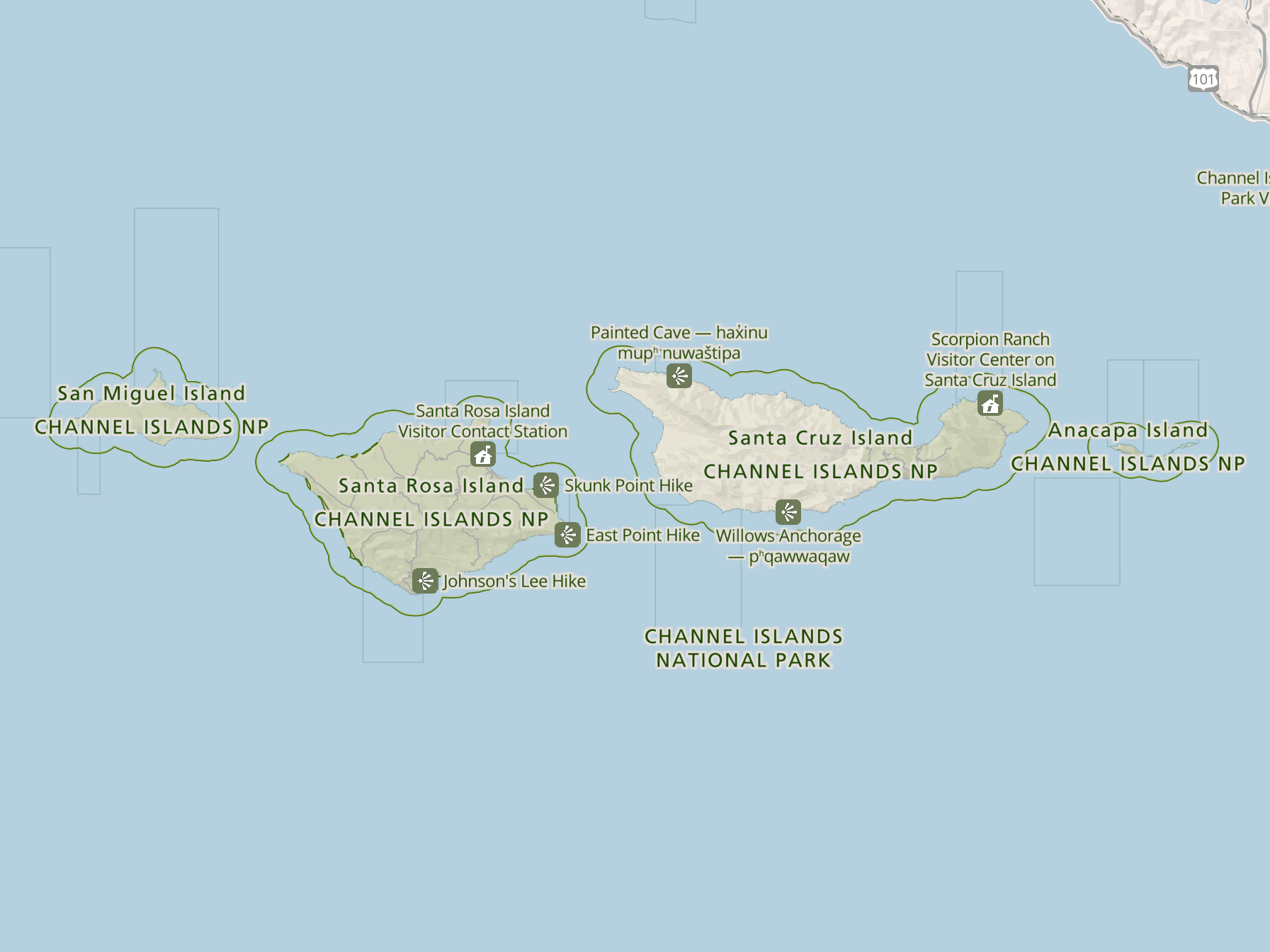
Channel Islands National Park is made up of five islands off the southern California coast, each with its own character, access level, and highlights. You can’t visit them all in one trip — so knowing what each offers helps you choose the right one for your goals.
Santa Cruz Island
The largest and most accessible island, Santa Cruz is the best starting point for first-time visitors. It has the most developed trail network, reliable ferry access, the largest campground, and guided kayaking tours through its famous sea caves. If you only go once, go here — but book the kayaking in advance (seriously).
Santa Rosa Island
Known for its rolling hills, deep canyons, and one of only two natural stands of Torrey pines in the world. Santa Rosa is less visited than Santa Cruz and rewards hikers who want more solitude and wilder terrain. The island is also home to a herd of feral bison introduced in the 1920s, and the birdwatching here is excellent.
Anacapa Island
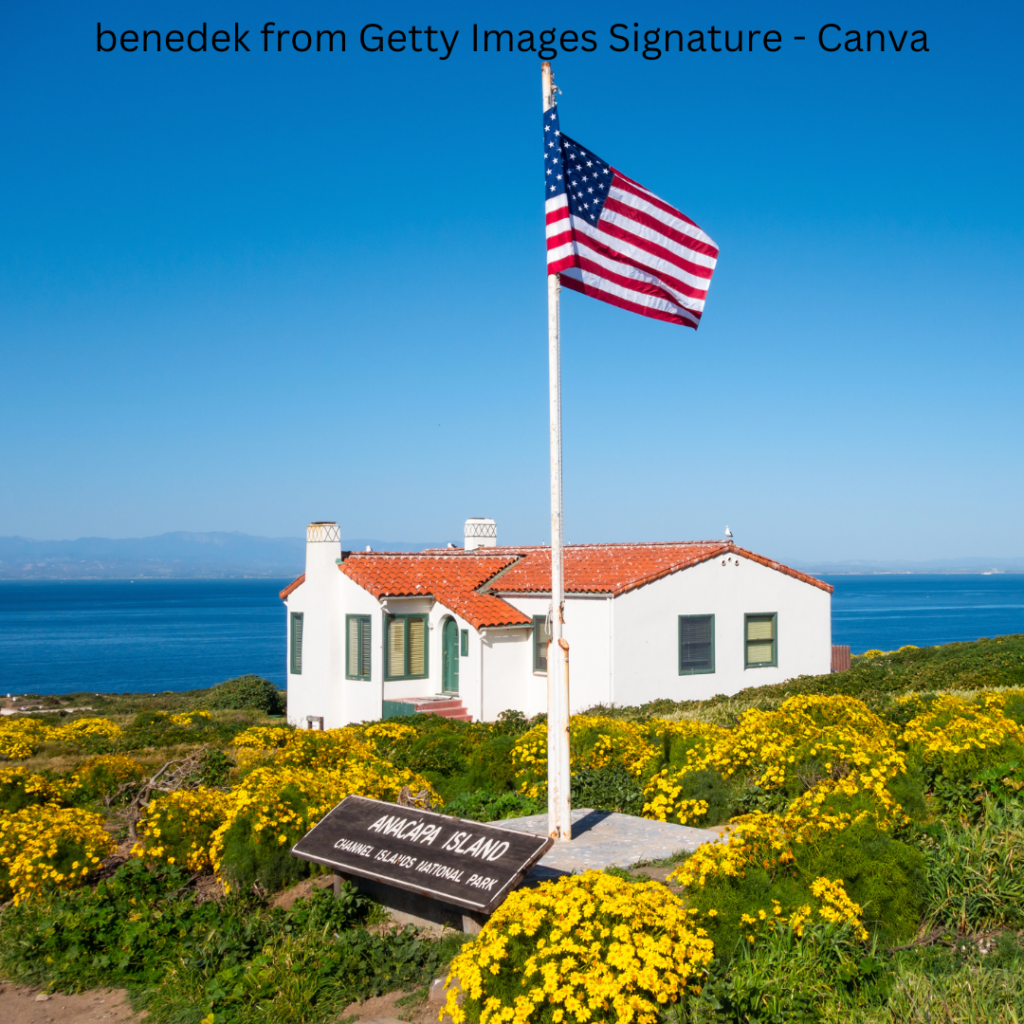
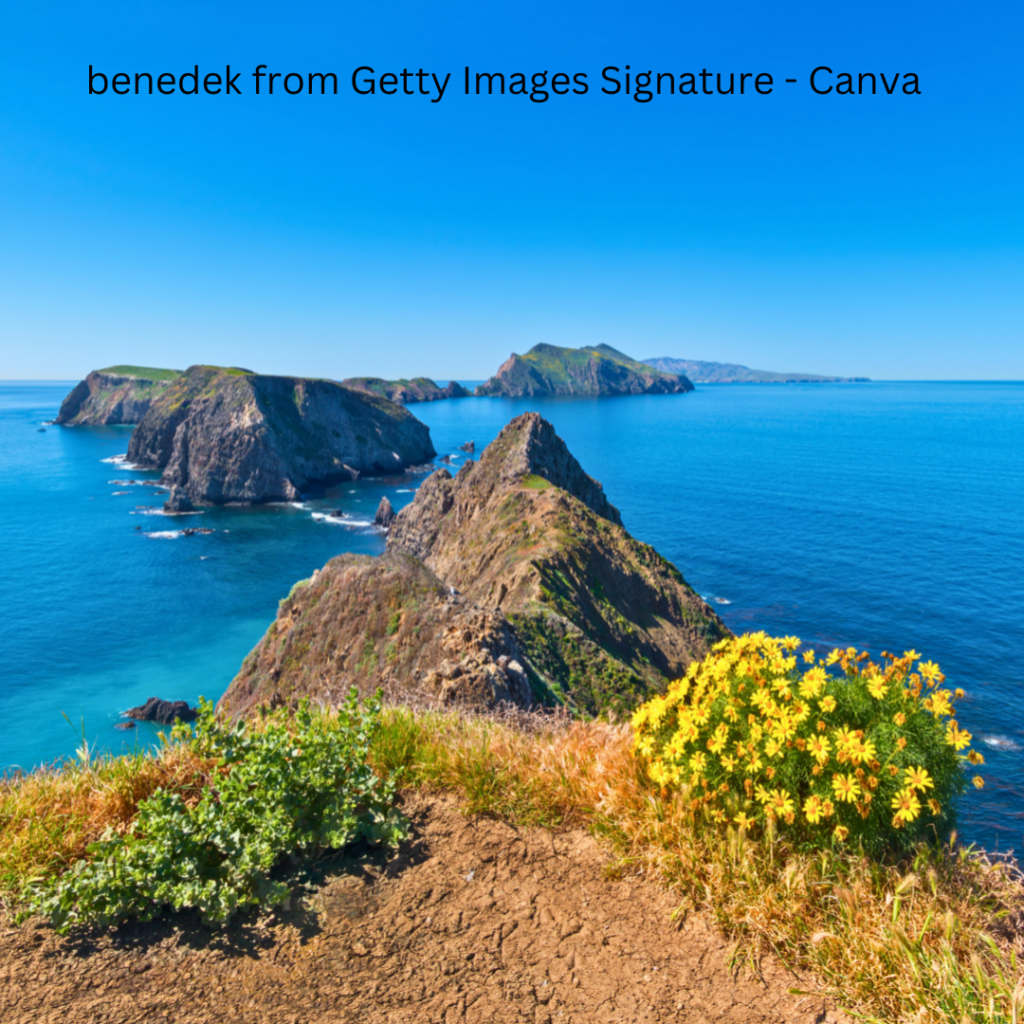
The closest island to the mainland and a great option for a shorter day trip. Anacapa is famous for its iconic lighthouse, dramatic sea arches, and dense seabird colonies. The trails are short, so pair this island with wildlife watching or snorkeling rather than expecting a full-day hike.
San Miguel Island
The most remote and windswept of the five, San Miguel is not for casual visitors. Access is weather-dependent, ferry crossings take longer, and many trails require a ranger escort. The payoff: one of the largest pinniped rookeries in the world at Point Bennett, where thousands of seals and sea lions haul out on the beach.
Santa Barbara Island
The smallest and least visited of the five islands, Santa Barbara is a quiet clifftop destination with short trails and excellent seabird and sea lion viewing. Island Packers offers limited trips here — check their schedule in advance, as service is infrequent.
How to Get There: Ferry Service & What to Expect
The only way to reach the islands (unless you have a private boat) is via Island Packers, the NPS-authorized ferry concessionaire. Ferries depart primarily from Ventura Harbor, with some departures from Oxnard depending on the island and trip type.
Ferry ride times from Ventura:
- Anacapa Island: ~1 hour
- Santa Cruz Island: ~1 to 1.5 hours
- Santa Rosa Island: ~2 hours
- San Miguel Island: ~3 hours
- Santa Barbara Island: ~3 hours (limited schedule)
Round-trip adult ferry tickets start at around $70 and go up depending on the island and trip type. Children ages 3–12 start around $50. Campers pay additional fees for gear transport. Always book directly through Island Packers — boats fill up months in advance during peak season.
An honest note about the ferry ride: We’ll be straight with you — the crossing can be rough. We both got seasick on the way out to Santa Cruz, and we weren’t the only ones on the boat turning green. The channel between the mainland and the islands can have significant swells, particularly in the morning. If you’re at all prone to motion sickness, take medication before you board, not after you start feeling it. Dramamine or Bonine taken the night before and the morning of works well. Staying on deck and keeping your eyes on the horizon also helps. Don’t be a hero about this one.
Where to Stay: Lodging Near the Ferry in Ventura
Unless you’re camping on the islands, you’ll need a place to stay in Ventura before and after your ferry. Early morning departures are common, so staying close to Ventura Harbor is worth it to avoid a stressful morning scramble. Two well-located options right near the ferry terminal:
Holiday Inn Express & Suites Ventura Harbor is located 1.3 miles from the Island Packers boat launch — the most convenient option for early ferry departures. It includes a complimentary hot breakfast, free WiFi, and harbor views.
Four Points by Sheraton Ventura Harbor Resort sits right on the harbor, about 2 miles from the ferry terminal. A solid mid-range option with on-site dining — good for a relaxed dinner the night before your trip.
Both properties put you close enough to the ferry that an early departure won’t require a panicked alarm-clock scramble. Book early; Ventura fills up on summer weekends.
Best Time to Visit Channel Islands National Park
The park is open year-round, but the best window for most visitors is April through October. Spring brings wildflowers and calmer seas; summer is peak season for kayaking and snorkeling; fall offers fewer crowds and pleasant temperatures. Winter is quieter, but ferry service is reduced and weather can make crossings rough.
If wildlife is your priority, timing matters. Gray whale migration runs December through April, making winter ferry trips a genuine opportunity for whale watching en route to the islands. Seabird nesting season on Anacapa runs spring through summer. The island fox is active year-round on Santa Cruz.
Things to Do at Channel Islands National Park
Kayaking the Sea Caves
This is the activity we wish we had booked. The sea caves on Santa Cruz Island — particularly those accessible from Scorpion Anchorage — are genuinely spectacular, and kayaking through them is unlike anything you can do at a mainland park. We hiked ourselves into exhaustion and then stood at the trailhead wishing we’d saved a few hours for the water. Learn from our mistake.
Channel Islands Adventure Company runs guided tours directly from Scorpion Anchorage, so you don’t need any prior kayaking experience. Their Discovery Sea Caves Kayak Tour is the most popular option for day visitors:
- Cost: $150 per adult (plus ferry)
- Duration: ~2.5 hours including orientation
- Paddling distance: ~1.25 miles
- Season: February–November, most days
- Meeting times: 9:30/10:30 AM and 12:30/1:30 PM (varies with ferry schedule)
Book your kayak tour before you book your ferry — availability fills up fast, especially on weekends.
Snorkeling
The kelp forests around the Channel Islands support an incredible diversity of marine life. Snorkel rentals are available on Santa Cruz Island through Channel Islands Adventure Company and include mask, snorkel, fins, and a wetsuit. Rentals run $72 for a full day. The water is cold year-round — the wetsuit is not optional.
Wildlife Watching

Channel Islands has some of the most concentrated and accessible wildlife viewing of any national park. The island fox— a species found nowhere else on earth — is remarkably unafraid of humans on Santa Cruz. We spotted one on the trail between Smuggler’s Cove and Potato Harbor, and it walked within a few feet of us before trotting off. Keep your distance and never feed them, but expect close encounters. Other wildlife highlights include elephant seals and sea lions on San Miguel, nesting pelicans and cormorants on Anacapa, and gray whale sightings from the ferry during winter months.
Hiking Trails by Island
Santa Cruz Island
Santa Cruz has the most extensive trail network in the park. We hiked the full loop from Scorpion Anchorage out to Smuggler’s Cove and then to Potato Harbor — a big day with real elevation gain and serious mileage. By the time we’d seen everything there was to hike, we genuinely ran out of trail. The views from Potato Harbor are worth every step, but come prepared: there’s no water on the island and the sun is relentless on exposed ridgelines.
Scorpion Canyon Loop — Easy to Moderate, 2.5 miles A good starting trail for first-timers or families. The loop passes through the canyon with views of wildflowers and the anchorage below. Island fox sightings are common near the ranch area at the trailhead.
Smuggler’s Cove Trail — Moderate, 7.7 miles One of the best hikes on the island. The trail winds through coastal scrub and chaparral to a secluded beach with clear, calm water. We hiked this as part of our longer loop — if you’re combining it with Potato Harbor, pace yourself and bring extra snacks.
Potato Harbor Trail — Moderate, 5 miles The payoff views here are as good as anything in California coastal hiking. The harbor sits in a sweeping cove far below the bluffs, and on a clear day you can see back toward the mainland. This was the undisputed highlight of our day on the island.
Santa Rosa Island
Torrey Pines Loop — Moderate, 2.5 miles This trail takes you through one of only two natural Torrey pine groves in existence. The trees grow gnarled and wind-battered against the ocean, and the coastal views are panoramic.
Lobo Canyon Trail — Moderate, 4 miles Follows a dry canyon through native oak groves and coastal scrub. Good birdwatching throughout, and a chance to spot the island’s bison herd grazing in the distance.
Black Mountain Trail — Moderate to Difficult, 5 miles The summit delivers sweeping views of Santa Cruz Island and the surrounding coastline. The terrain shifts through oak woodland and rocky slopes — one of the more challenging hikes on Santa Rosa.
Anacapa Island
Anacapa Island Trail — Easy, 2.5 miles The main trail on the island leads to the historic lighthouse and sea arch viewpoints. Short but scenic — pair it with wildlife watching and snorkeling to fill your day. Note that there are 157 steps from the boat dock up to the island, so be ready for that right off the ferry.
San Miguel Island
Harris Point Trail — Moderate, 4 miles Rugged coastal bluff hiking with ocean views in every direction. Good wildlife viewing en route to the point.
Cardwell Point Trail — Moderate to Difficult, 5 miles Sweeping views of the island’s coastline with seal and sea lion sightings near the point.
Point Bennett Trail — Difficult, 6 miles The most remote hike in the park. At Point Bennett, up to 30,000 pinnipeds gather during peak season — one of the largest wildlife spectacles in North America. A ranger escort is required; confirm with Island Packers or the NPS when booking your trip.
Santa Barbara Island
Santa Barbara Island Loop — Easy to Moderate, 2.5 miles A peaceful ridgeline walk with Pacific views and excellent seabird watching. The island’s solitude is the real draw — very few visitors make it out here.
Camping at Channel Islands National Park
Camping on the islands is one of the more extraordinary overnight experiences in the national park system — no light pollution, no road noise, just wind and ocean. All campgrounds require advance reservations through Recreation.gov, and sites cost $15 per night.
Scorpion Ranch Campground on Santa Cruz Island is the most developed in the park, with designated sites and pit toilets. Best option for first-time island campers. Prisoners Harbor on the north side of Santa Cruz offers a more remote experience, accessed via a separate ferry stop.
Santa Rosa Island Campground has excellent coastal views and a more isolated feel. The wind on Santa Rosa can be intense — bring a sturdy tent and stake it down properly.
Anacapa Island Campground is small and exposed, with stunning Pacific views. Very limited sites — book as early as Recreation.gov allows, which is six months in advance.
There are no water sources on any of the islands. Carry all the water you’ll need for hiking and camping — the NPS recommends a gallon per person per day. No fires are permitted, and you must pack out all trash.
Fees and Costs
Channel Islands is one of the few national parks with no entrance fee. Your main costs are transportation and activities:
- Park entrance fee: Free
- Ferry tickets (Island Packers): Adults from ~$70 round-trip; children (3–12) from ~$50. Price varies by island and trip type.
- Camping: $15 per site per night via Recreation.gov
- Kayak tour: $150 per adult through Channel Islands Adventure Company
- Snorkel rental: $72 per person for a full day
The America the Beautiful Annual Pass does not cover ferry costs. Book your ferry through Island Packers as far in advance as possible — popular departure times sell out months ahead in spring and summer.
What to Pack for Channel Islands National Park
This is not a park where you can pop into a gift shop for a bottle of water or grab lunch at a snack bar. There is nothing for sale on any of the islands. Whatever you need for the day, you’re carrying it on the ferry with you — so packing right matters more here than at almost any other national park.

Food and water are non-negotiable. The NPS recommends a gallon of water per person per day, and that’s not an exaggeration — the trails are exposed, the sun is intense, and there is no water on the islands at all. For a day trip, bring a full lunch, plenty of snacks, and more water than you think you need. We’d rather you lug an extra liter back on the ferry than bonk on the Potato Harbor trail with nothing left in your pack.
Layers are essential. It can be warm and sunny in Ventura Harbor and genuinely cold and windy the moment you’re on the bluffs. A light jacket or windbreaker on top of a moisture-wicking base layer covers most conditions. Mornings on the ferry can be cold even in summer.
Footwear matters. The trails on Santa Cruz and San Miguel involve steep, uneven terrain and loose rock. Wear trail runners or hiking boots — not sneakers, and definitely not sandals. But you can bring a sturdy pair of sandals, like Chacos or Tevas to stick your feet in the water after a full day of hiking.
Sun protection. The islands are exposed and the reflective glare off the water makes the UV intensity higher than it feels. Sunscreen, a hat, and sunglasses are all worth bringing.
Offline maps. There is no cell service on the islands. Before you leave the harbor, download your trails on AllTrails or a GPS app. Once you’re on the island, you’re on your own navigation-wise.
Essential Tips Before You Go
Book the kayaking before you book anything else. It’s the one activity that genuinely can’t be replicated by hiking, and it fills up fast. We ran out of trails on Santa Cruz by afternoon — the kayak tour would have been the perfect second half of our day. Don’t make our mistake.
Take seasickness medication in advance. Not when you start feeling off on the boat — before you even leave the dock. Dramamine or Bonine taken the night before and the morning of your departure works well. Staying on deck and keeping your eyes on the horizon also helps once you’re underway.
Book your ferry as early as possible. Popular departure times sell out months in advance during spring and summer. If you’re planning a camping trip, book your Recreation.gov campsite and your Island Packers ferry at the same time — don’t assume one will be available after you’ve secured the other.
Give wildlife space. Island foxes are curious and seemingly unafraid of people, but feeding them harms their wild behavior. Same goes for nesting seabirds during spring and summer — stay on marked trails and keep your distance.
Frequently Asked Questions
Is there an entrance fee for Channel Islands National Park? No — Channel Islands is one of the few national parks with no entrance fee. Your main costs are ferry tickets through Island Packers (starting around $70 round-trip for adults) and, if camping, a $15 per night site fee through Recreation.gov.
Which Channel Island should I visit first? Santa Cruz Island is the best choice for first-time visitors. It has the most extensive trail system, guided kayaking tours through the sea caves, the largest campground, and the most reliable ferry access. It’s also where you’re most likely to spot an island fox up close.
How far in advance should I book the ferry? As early as possible — particularly for spring and summer weekends. Island Packers boats sell out months in advance during peak season. If you’re planning a camping trip, book your Recreation.gov campsite and your ferry at the same time.
Can you get seasick on the ferry to Channel Islands? Yes, and it’s more common than you’d think. The Santa Barbara Channel can have significant swells, especially on morning crossings. Take an over-the-counter motion sickness medication the evening before and the morning of your trip. Staying on deck and keeping your eyes on the horizon also helps.
Is Channel Islands National Park good for kids? Yes, with the right island and some planning. Anacapa is the easiest option with short trails and incredible birdwatching. Santa Cruz works well for older kids who can handle a longer hike. The ferry ride itself is part of the experience — kids typically love the wildlife viewing on the water, including sea lions, dolphins, and occasional whale sightings.
Do I need a permit to hike at Channel Islands National Park? No hiking permits are required for most trails. The exception is the Point Bennett Trail on San Miguel Island, which requires a ranger escort. All campground reservations must be made through Recreation.gov, and camping requires booking ferry transportation separately through Island Packers.