Last Updated on September 15, 2026 by Melissa
If you love epic views, endless trails, and rugged, less-crowded adventures, New River Gorge National Park in West Virginia should be at the top of your list. It’s one of the newest additions to the National Park System, it doesn’t charge an entrance fee, and it still flies under the radar compared to the big western parks — though that’s changing fast. This guide covers everything you need to plan your trip: the best hikes, when to go, where to stay, what to pack, and what we learned doing it twice.
Some of the links on this website are affiliate links, which means we may earn a small commission if you make a purchase through them — at no additional cost to you. These commissions help support Part Time Adventuring and allow us to continue creating free travel guides, national park itineraries, hiking resources, and adventure content.
Table of Contents
- Where Is New River Gorge National Park?
- Why Visit New River Gorge National Park?
- Our Two Trips to New River Gorge
- Best Time to Visit
- Fees, Permits, and Reservations
- Best Hikes in New River Gorge National Park
- Can’t-Miss Experiences
- Where to Stay
- Where to Eat in Fayetteville, WV
- What to Pack
- FAQ
- Final Thoughts
Where Is New River Gorge National Park?
New River Gorge National Park and Preserve is located in southern West Virginia, just outside the small, outdoorsy town of Fayetteville. It stretches roughly 53 river miles along the New River, and it’s within driving distance of several major East Coast cities, which makes it an easy long-weekend add-on rather than a dedicated cross-country trip.
- Closest airport: Yeager Airport in Charleston, WV (about 1.25 hours away)
- Alternate airport: Roanoke–Blacksburg Regional Airport, WV (about 2 hours away, useful if Charleston flights are limited)
- Driving distances: ~4–4.5 hours from Washington, D.C.; ~5–5.5 hours from Charlotte; ~3.5–4 hours from Columbus, OH
For official maps, hours, and trip-planning basics straight from the source, the NPS basic info page is worth a bookmark before you go.
Why Visit New River Gorge National Park?
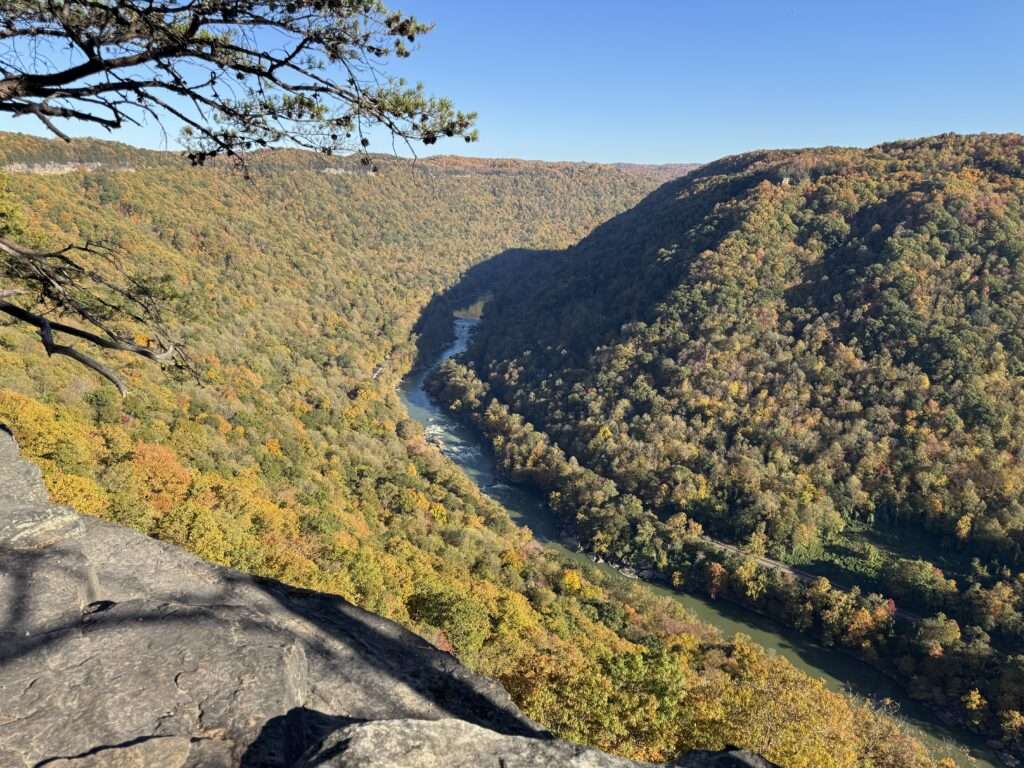
New River Gorge is a genuine hidden gem in the park system. From accessible overlooks to adrenaline-fueled adventures, it packs in a wide range of experiences without the crowds you’ll find at more popular western parks. Here’s what makes it worth planning a trip around:
1. Big Views Without Big Effort
The park is full of jaw-dropping vistas that don’t require long or strenuous hikes. Trails like Long Point and Endless Wall deliver panoramic views of the gorge and the bridge with just 2–3 miles of hiking, which makes them easy to fit in around sunrise, sunset, or a short weather window.
2. World-Class Whitewater
The New River is one of the best whitewater destinations in the eastern U.S. The Lower New features Class III–V rapids; the Upper New is a calmer, more scenic float. Local outfitters run guided trips on both sections, so it’s easy to add a rafting day regardless of experience level.
3. A Major Climbing Destination
With more than 1,600 established routes on Nuttall sandstone, New River Gorge is one of the largest climbing areas in the eastern U.S. Even if you don’t climb, it’s worth watching from trails like Endless Wall, where climbers are often visible on the cliffs below.
4. History and Ghost Towns
The park preserves the remnants of former coal mining towns like Nuttallburg and Thurmond, where short hikes take you past preserved mine structures and building foundations.
5. A Laid-Back Adventure Base
Fayetteville, the park’s main gateway town, has real local character — good food, breweries, gear shops, and Airbnbs, all within a few minutes of the park.
Our Two Trips to New River Gorge
We’ve been to New River Gorge twice, and the two trips could not have looked more different. The first time was a quick stop on the way through — before peak leaf season, with just enough time to check out an overlook and get a feel for the park before moving on. We knew we’d be back with more time.
The second trip was built entirely around peak fall color, and it delivered. We spent our time hiking three of the park’s signature trails:
- Endless Wall Trail — it’s the park’s most popular trail for a reason. Multiple overlooks along the rim give you gorge views with almost no elevation gain, which makes it easy to underestimate how long you’ll want to spend out there once you start chasing “one more overlook.”
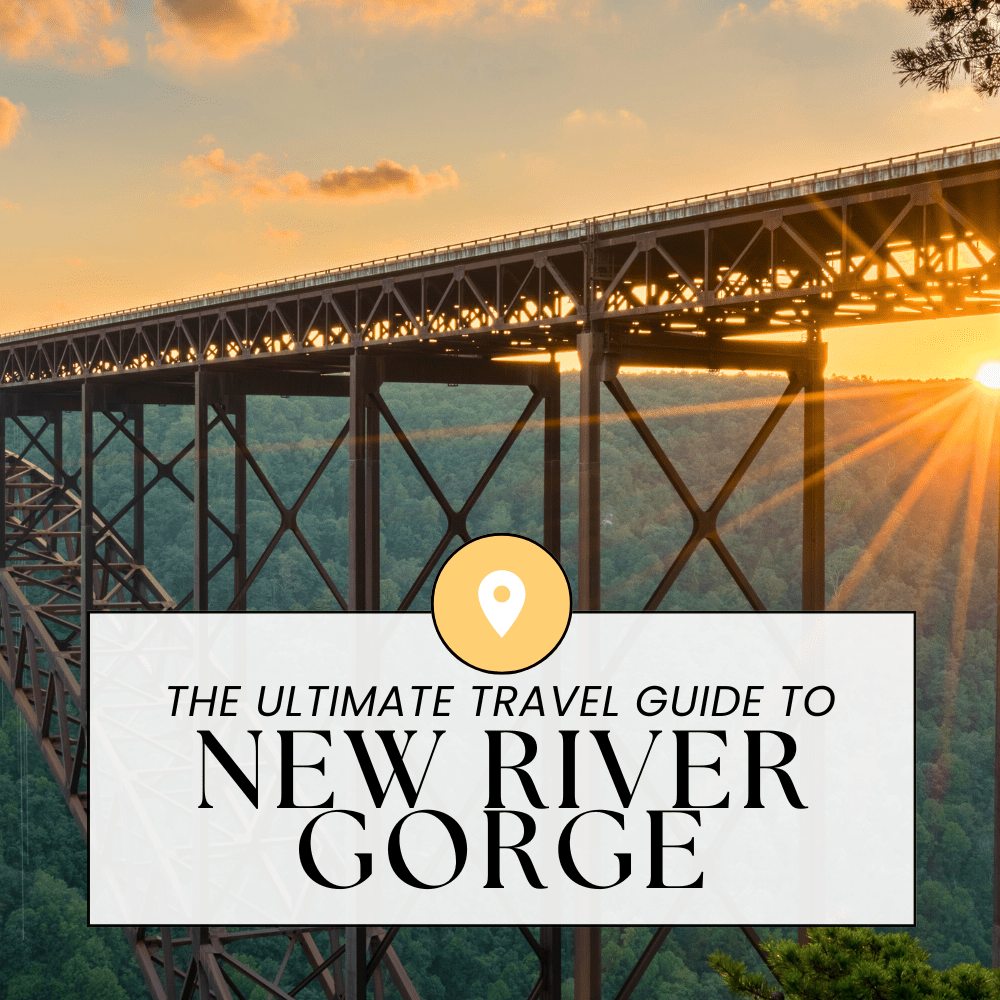
- Long Point Trail — the single best view of the New River Gorge Bridge in the park, and worth timing for golden hour if your schedule allows it.
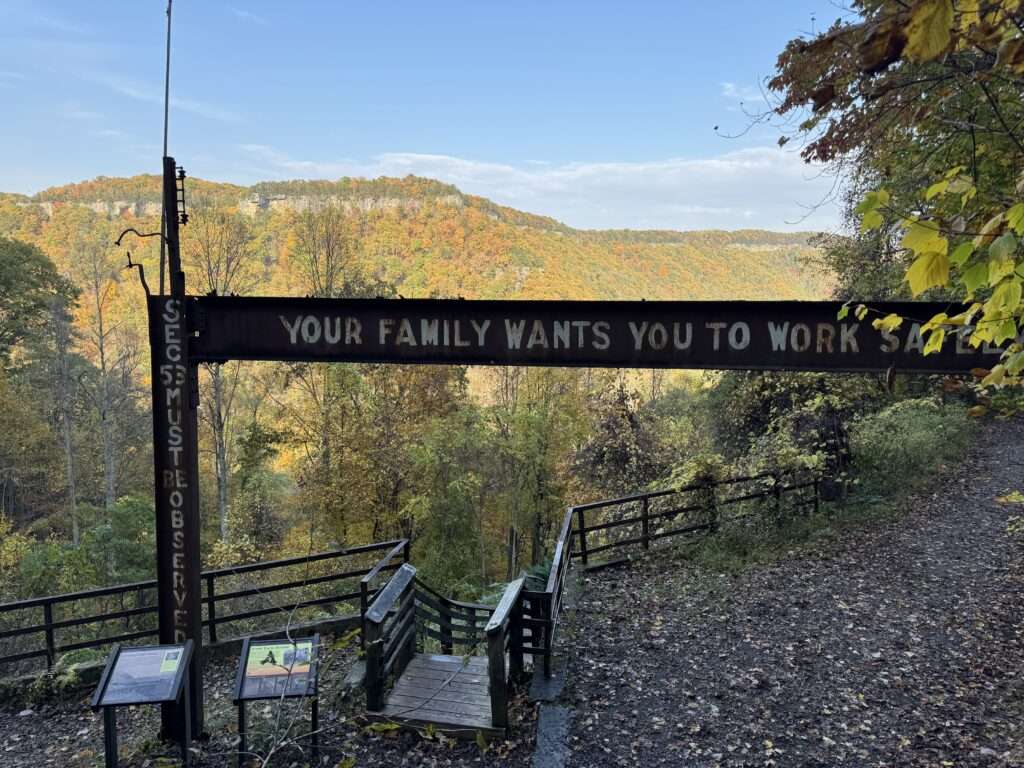
- Kaymoor Miners Trail — this one humbled us. The 821 wooden steps down to the old Kaymoor coal mine site don’t look like much on paper, but the climb back up is a genuine leg-burner. Budget more time and water than you think you need.
If there’s one thing our two trips taught us, it’s that New River Gorge rewards a real visit, not a drive-by. The overlooks are great from the car, but the trails are where the park actually shows off. We still need to visit in the summer to partake in white water rafting!
Related: Planning a fall trip around leaf color? Check out our guide to The Best National Parks for Fall Foliage for more parks worth timing around peak color.
Best Time to Visit New River Gorge National Park
The park is open 24 hours a day, year-round, and each season looks different:
Spring (April–May): Great for waterfalls and wildflowers, with trails lush and rivers running high — ideal for rafting the Upper or Lower New. Expect cool, pleasant hiking temperatures and occasional muddy trails.
Summer (June–August): Warmer temperatures and the most visitors, though it still feels far quieter than the big western parks. Peak season for rafting, climbing, and camping. Afternoon thunderstorms and humidity are common.
Fall (September–October): The best time to visit, in our experience and most others’. Fall color peaks in mid-to-late October, and trails like Endless Wall and Long Point are dramatically better with the ridges lit up in reds, oranges, and golds. Bridge Day, held every third Saturday in October, draws huge crowds for a day of BASE jumping off the New River Gorge Bridge — plan around it if you want quiet trails, or plan for it if you want the spectacle.
Winter (November–March): The quietest season by far, with peaceful hiking and open views. Snow is possible but usually light, and most trails stay open, though some visitor center hours and services scale back.
Fees, Permits, and Reservations
This is one of the easiest national parks in the system to plan around, logistically:
- Entrance fee: None. According to the NPS fees page, New River Gorge is one of roughly 20 national parks with no entrance fee at all, so there’s no gate, booth, or pass to buy.
- America the Beautiful Pass: Not needed here, since there’s no fee to offset — but worth having if you’re combining this trip with a fee-charging park.
- Permits: Not required to hike, camp at the park’s free campgrounds, or climb (see the NPS permits page for the full breakdown). Commercial rafting and guided trips are booked directly through outfitters, who hold the required permits — you don’t need one yourself if you’re going with a guide.
- Camping reservations: None accepted. All camping is first-come, first-served (more on this below).
Related: For more parks where you can skip the fee altogether, see our post on National Parks on a Budget.
Best Hikes in New River Gorge National Park
Long Point Trail
- Distance: 3.2 miles round trip
- Difficulty: Moderate
- Why go: The best panoramic view of the New River Gorge Bridge in the park. Go early for sunrise or golden hour light — and go in fall if you can.
Endless Wall Trail
- Distance: 2.4–3.2 miles depending on route
- Difficulty: Easy to moderate
- Why go: Consistently ranked one of the best trails in the region, with incredible views from multiple overlooks and very little elevation gain.
Kaymoor Miners Trail
- Distance: 1.6 miles round trip
- Difficulty: Strenuous — steep descent with stairs
- Why go: A steep trail leading down 821 wooden steps to the preserved ruins of the Kaymoor coal mine. The history is genuinely interesting, but don’t underestimate the climb back up — we didn’t, and it showed.
Sandstone Falls Boardwalk
- Distance: 0.5 miles
- Difficulty: Easy, ADA accessible
- Why go: A scenic waterfall walk at the park’s southern end. Good for families or anyone who wants a payoff without the effort.
Can’t-Miss Experiences in New River Gorge
Whitewater Rafting: The New River offers Class III–V rapids on the Lower New and a calmer float on the Upper New. Local outfitters run half-day and full-day guided trips for all experience levels.
Scenic Drive — Fayette Station Road: A one-way, winding road that passes underneath the New River Gorge Bridge, with some of the best bridge views from below and historic signage on the area’s railroad and coal history.
Ghost Town — Nuttallburg: A preserved mining town that feels frozen in time. A short hike takes you past ruins of coal processing structures, conveyor belts, and building foundations.
Canyon Rim Visitor Center: Start your visit here. It has accessible walkways to bridge overlooks, restrooms, maps, and ranger-led talks during peak seasons — check current hours before you go, since they shift seasonally.
Mountain Biking: Less talked about than the hiking or climbing, but the park and surrounding area have more than 60 miles of mountain biking trails if you’re bringing bikes.
Where to Stay at New River Gorge National Park
Free NPS Campgrounds
New River Gorge has eight free, primitive, first-come, first-served campgrounds along the river — no fees, no reservations, no hookups anywhere. Per the NPS camping page, stays are capped at 14 days within a 28-day period, with a limit of 8 people and 2 camping units per site.
- Grandview Sandbar — 16 sites (6 tent-only), including 2 accessible riverside sites
- Army Camp — 11 sites for tents and RVs, including 1 accessible site
- Glade Creek — 11 sites (6 tent-only), including 1 accessible site
- Stone Cliff — tent-only, near the historic railroad town of Thurmond
- War Ridge/Backus Mountain, Brooklyn, Gauley Tailwaters, Meadow Creek — additional primitive sites scattered along the river and preserve
Most sites have no drinking water, so come self-sufficient. Check the park’s official Alerts & Conditions page before you go — some sites close seasonally for road or facility work.
Glamping + Cabins
- Adventures on the Gorge: High-end cabins, glamping tents, and guided activities
- ACE Adventure Resort: Rustic cabins, campground, and waterpark
- Arrowhead Bike Farm: Affordable camping with good on-site food and beer
Hotels + Rentals
- Fayetteville: Airbnbs, boutique inns, and budget motels
- Nearby towns: Beckley or Oak Hill for chain hotels
Where to Eat in Fayetteville, WV
This small adventure town punches above its weight in food options:
- Cathedral Cafe: Coffee, breakfast, and local vibes
- Pies & Pints: Wood-fired pizza and craft beer
- Wood Iron Eatery: Fresh, healthy meals with a creative twist
- Bridge Brew Works: Small-batch craft beer and a welcoming outdoor hangout
What to Pack for New River Gorge
This park covers rugged, varied terrain — come prepared:
- Hiking shoes with good tread — many trails have exposed roots and rocks
- Layered clothing — the gorge can run 10–15 degrees cooler than the surrounding area
- Rain gear — afternoon thunderstorms are common in summer
- Headlamp if you’re hiking for sunrise or sunset
- Water bottles or a hydration bladder — there are no water fill stations on trails
- Offline maps — cell service is limited in the gorge itself
Optional but useful: trekking poles for uneven trails, climbing or rafting gear (or book rentals), bug spray in spring and summer, and binoculars for wildlife and vistas.
Frequently Asked Questions
Does New River Gorge National Park charge an entrance fee? No. New River Gorge is one of roughly 20 national parks with no entrance fee at all — there’s no gate or pass required to enter.
Do you need a permit to hike, camp, or climb at New River Gorge? No. Hiking, camping at the park’s free campgrounds, and climbing on established routes don’t require a permit. Commercial rafting and guided trips are booked directly through licensed outfitters, who hold the necessary authorizations.
What is the best time of year to visit New River Gorge? Fall, especially mid-to-late October, for the foliage — though it’s also the most crowded stretch because of Bridge Day. Spring and summer are better for rafting; winter is best if you want the trails to yourself.
Is New River Gorge good for a day trip? Yes, if your expectations match the time. A day is enough for one or two hikes and an overlook or two, but the park rewards a longer stay — we found this out the hard way on our first, too-quick visit.
Do you need reservations to camp at New River Gorge? No. All camping is free and first-come, first-served, with no reservation system. Popular campgrounds can fill by early afternoon on summer weekends, so arrive early if you’re camping in peak season.
When is Bridge Day at New River Gorge? Bridge Day is always the third Saturday in October. It’s West Virginia’s largest single-day festival, centered on BASE jumping off the New River Gorge Bridge, and it draws large crowds — plan hiking around it if you want quiet trails.
Final Thoughts About Visiting New River Gorge
New River Gorge National Park offers everything we look for in an underrated park: epic hikes, dramatic views, endless recreation, and a friendly town base to explore from. Whether you’re here for a weekend of hiking and photography or diving into whitewater and climbing, the gorge delivers big adventure without the crowds of the more famous parks.
Don’t forget to check out our other blog posts on national parks and hiking.