Last Updated on May 26, 2026 by Melissa
There’s a national park that most Americans have never heard of, sitting in the middle of Lake Superior with no roads, no cell service, and fewer annual visitors than Yellowstone sees in a single weekend. Over 4 million people visit the Great Smoky Mountains every year — Isle Royale National Park gets around 25,000. It’s one of the 63 official U.S. National Parks, it’s been federally protected since 1940, and it remains one of the country’s best kept secrets. Isle Royale is a 45-mile island archipelago where wolves still hunt moose, loons echo across glassy water at dusk, and the only way in is by ferry or seaplane. That barrier is exactly what keeps it wild — and exactly what makes it unforgettable for the people who do make the journey. If you’re ready to trade crowded overlooks for something genuinely remote, this guide covers everything you need to plan your trip.
This post contains affiliate links. If you make a purchase through one of these links, I may earn a small commission at no extra cost to you. Thanks for supporting Part-Time Adventuring!
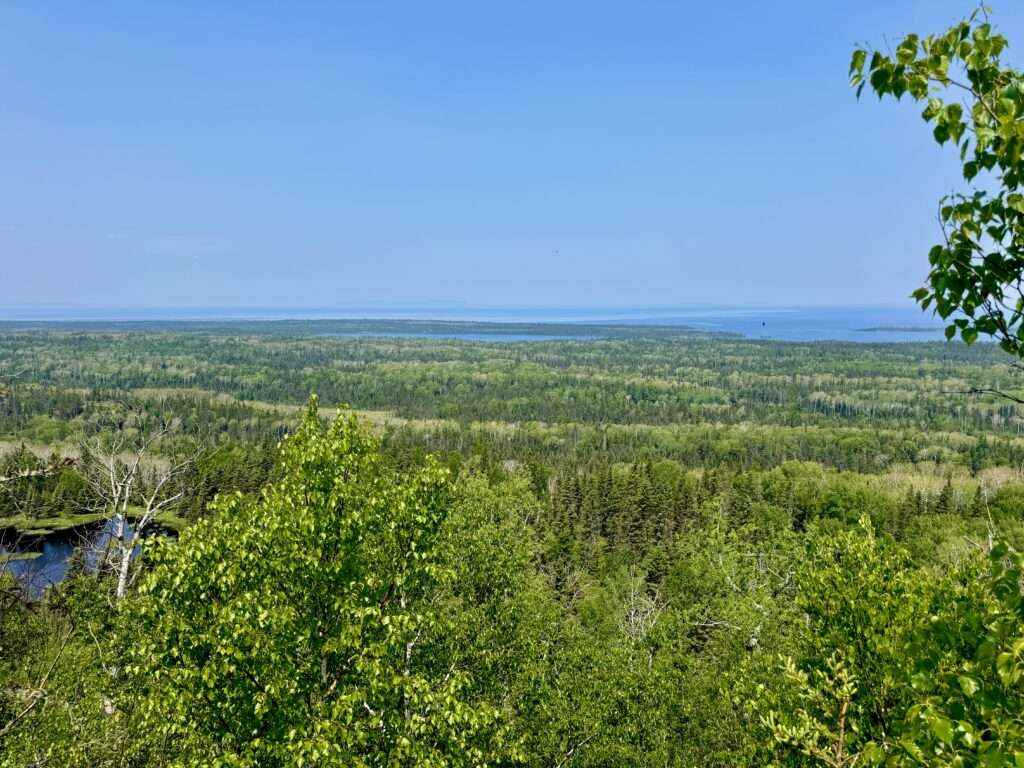
Quick Facts for Isle Royale: Fees, Permits & Passes
Before you pack your bags, here’s what you need to know about entry fees and permits:
- Entrance Fee: $7 per person per day (or $35 for the season pass specific to Isle Royale). The America the Beautiful Annual Pass covers entrance fees.
- Backcountry Permit: Required for all overnight stays. The good news? Permits are issued upon arrival at the visitor center—no advance reservation needed. There is a small fee per night.
- Reservation Tip: Permits are free to obtain but campsites can fill during peak season. Arrive early on your first day to secure your desired route.
- Camping: First-come, first-served at most sites. No reservations for individual campsites.
Planning a road trip through the Upper Peninsula? Isle Royale pairs perfectly with a broader Michigan adventure—check out our guide to Midwest National Parks for more inspiration.
How to Get to Isle Royale National Park
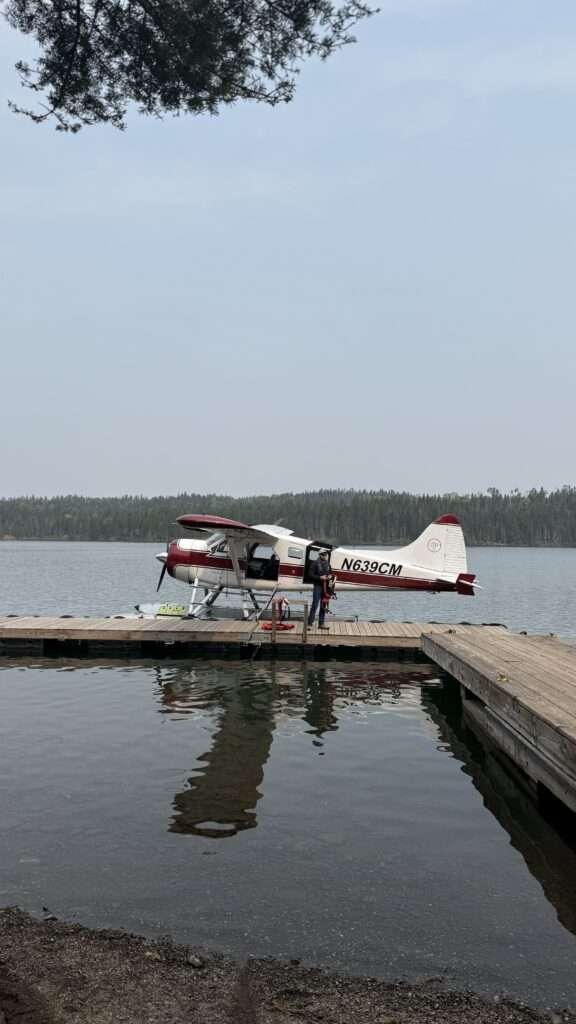
Isle Royale is an island—you can’t drive there. Visitors must arrive via ferry or seaplane. Access points are located in both Michigan and Minnesota. Please reference the transportation’s website for the most up-to-date information regarding scheduling and pricing.
From Michigan
Option 1: Houghton (Ranger III Ferry or Seaplane)
Houghton is the most common jumping-off point. Drive times: 200 mi from Green Bay, 400 mi from Chicago, 250 mi from the Mackinac Bridge. United Airlines also offers daily flights into Houghton County Memorial Airport (CMX).
Ranger III Ferry — Departs 800 E. Lakeshore Dr. | 6 hours to Rock Harbor | Tuesdays & Fridays at 9:00 AM ET
The Ranger III is a full-size vessel with seating, a snack bar, and outdoor deck space. Bring layers—Lake Superior is cold even in summer—and consider motion sickness medication if you’re sensitive to rough water.
Isle Royale Seaplanes — Departs Hubbell, MI | ~45 min to Rock Harbor | Daily (weather dependent)
Option 2: Copper Harbor (Isle Royale Queen IV)
52 miles north of Houghton. Closest airport is Houghton County Memorial.
Isle Royale Queen IV — Departs 14 Waterfront Landing | 3.5 hours to Rock Harbor | Daily except Wednesdays
From Minnesota
If you’re coming from the Twin Cities or Duluth, the Minnesota route offers the shortest crossing time and is often the most convenient.
Nearby park worth combining: Voyageurs National Park is another remote, water-based wilderness that pairs well with an Isle Royale trip.
Grand Portage (Voyageur II or Sea Hunter III) — 150 mi northeast of Duluth. Fly into Duluth International or Thunder Bay International, or take Arrowhead Transit + shuttle from Grand Marais.
Sea Hunter III — 1.5 hours to Windigo | Wed–Sat, departs 9:30 AM ET
Voyageur II — 2 hours to Windigo, 5 additional hours to Rock Harbor | Mon/Tue/Thu/Sat, departs 8:30 AM ET
Day Trips to Isle Royale
From Grand Portage to Windigo (Best Option)
Sea Hunter III allows for several hours at Windigo before returning.
Top day trip hikes from Windigo:
| Trail Name | Distance (RT) | Estimated Time | Highlights |
|---|---|---|---|
| Grace Creek Overlook | 3.6 miles | ~2 hours | Elevated views of Washington Harbor |
| Windigo Nature Trail | 1.2 miles | ~45 minutes | Easy interpretive loop with lake scenery |
| Windigo to Washington Creek | 0.4 miles | ~15 minutes | Boardwalk path with water and forest views |
Rock Harbor Day Trips
Day trips to Rock Harbor are not practical due to ferry/seaplane duration, but if you’re already staying overnight, there are excellent day hike options.
| Trail Name | Distance (RT) | Estimated Time | Highlights |
|---|---|---|---|
| Scoville Point | 4.2 miles | ~2 hours | Stunning coastal views; a must-do for first-timers |
| Suzy’s Cave | 3.0 miles | ~1.5 hours | Sea arch and inland lagoon; family-friendly |
| Mount Franklin | 10.4 miles | ~4–5 hours | Panoramic ridgeline views over Lake Superior |
| Lookout Louise | Varies (boat access) | ~3 hours (including boat ride) | Dramatic viewpoint over Tobin Harbor and Canada |
Lodging & Accommodations on Isle Royale
Rock Harbor Lodge
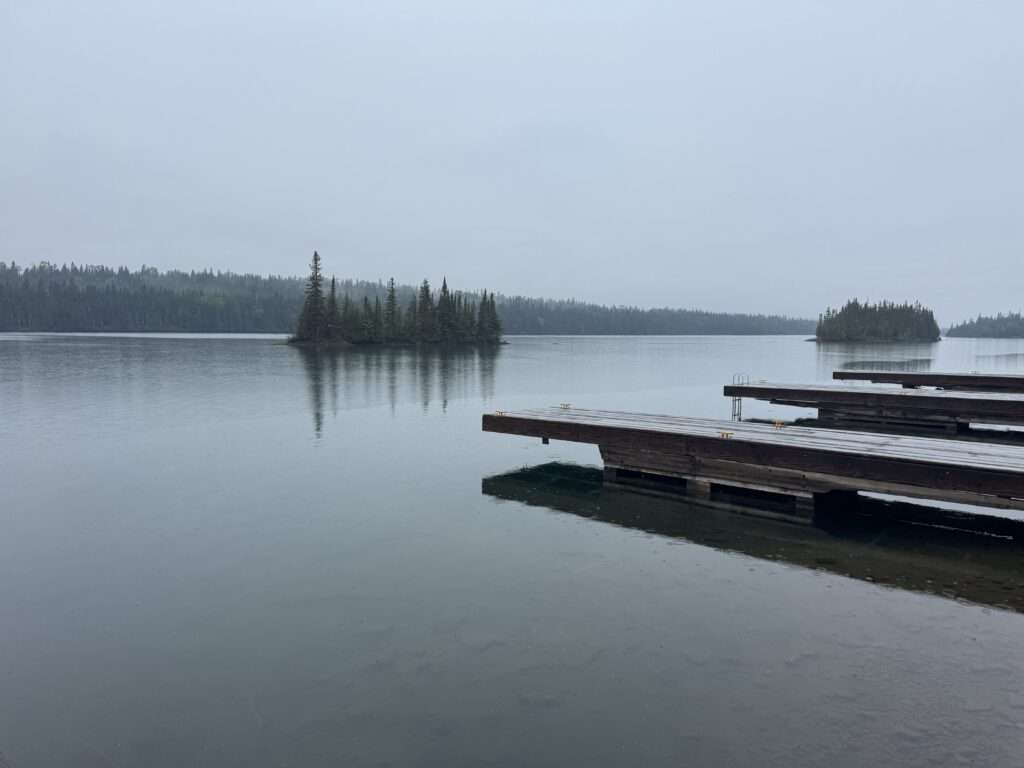
Rock Harbor Lodge is the only developed lodging on the island and the basecamp for non-backpacking visitors. Perched on the edge of Lake Superior, the lodge gives you front-row views of the water and access to the island’s main visitor services—boat rentals, the Greenstone Grill, a small store, and ranger programs. It books out months in advance, so reserve as early as possible.
| Accommodation Type | Price (est.) | Notes |
|---|---|---|
| Lakeside Lodge Room | $380+/night | Private bath, views of Lake Superior |
| Housekeeping Cabin | $320+/night | Sleeps 6, full kitchen, ideal for families |
Windigo Camper Cabins
| Type | Price | Details |
|---|---|---|
| Rustic Camper Cabins | ~$80/night (estimated) | Bunk beds, solar lighting, located at Washington Harbor |
Campgrounds on Isle Royale
Rock Harbor Region
| Campground | Distance | Highlights |
|---|---|---|
| Rock Harbor | 0 mi | Near lodge & visitor center |
| Three Mile | 3.2 mi | Waterfront / Short backpack trip |
| Daisy Farm | 7 mi | Large site / Water access |
| Moskey Basin | 11 mi | Known for sunrises / Quiet |
| Lane Cove | 6.9 mi | Solitude / Remote |
Windigo Region
| Campground | Distance | Highlights |
|---|---|---|
| Washington Creek | 0.3 mi | Most popular / Near visitor center |
| Huginnin Cove | 4.2 mi loop | Dramatic coastal views |
| Island Mine | 6.9 mi | Forested interior site |
| Feldtmann Lake | 9 mi | Moose sightings / Quiet lakefront |
| Siskiwit Bay | 13.4 mi | Remote / Stunning shoreline |
Boat Rentals and Scenic Tours (Rock Harbor)
Rentals from Rock Harbor Lodge
| Rental Type | Price (approx.) | Details |
|---|---|---|
| Canoe | $64.00/day | Calm waters of Tobin Harbor |
| Kayak | $77/day | Single or tandem options |
| Motorboat | $127.00/day | 16 ft, outboard, navigation required |
Ranger-Led Boat Tours
Hidden Lake & Lookout Louise
- Tour Includes: Boat ride plus a short guided hike
- Duration: About 3 hours
- Schedule: 2 to 3 times per week during the summer season
- Price: Approximately $75–$100 per person
- Tour Includes: Scenic boat cruise and guided lighthouse tour
- Duration: About 3.5 hours
- Schedule: Weekly during peak season
- Price: Approximately $90–$120 per person
Best Hikes & Sights on Isle Royale
Rock Harbor Side
| Hike | Distance (RT) | Highlights |
|---|---|---|
| Scoville Point | 4.2 mi | Coastal views, accessible |
| Suzy’s Cave | 3 mi | Sea arch, family friendly |
| Mt. Franklin | 10.4 mi | Expansive lake views |
| Lookout Louise | Access via boat | Overlook Tobin Harbor |
Windigo Side
| Hike | Distance (RT) | Highlights |
|---|---|---|
| Huginnin Cove Loop | 4.5 mi | Forest & lake views |
| Grace Creek Overlook | 3.6 mi | Top viewpoint near Windigo |
| Feldtmann Ridge Loop | 28 mi | Backpacking loop with solitude |
Wildlife on Isle Royale
One of the most compelling reasons to visit Isle Royale is its wildlife—and what makes it truly special is that the island’s isolation has created a self-contained ecosystem unlike anywhere else in the Lower 48.
Moose
Moose are the island’s most iconic residents and you have a genuinely good chance of spotting one, especially near wetlands, inlet streams, and the Windigo area. They’re most active at dawn and dusk.
Wolves & the World’s Longest Predator-Prey Study
Isle Royale is home to one of the most important wildlife studies in history: a continuous wolf-moose research project that has been running since 1958—making it the longest-running predator-prey study on Earth. Wolves are rarely seen by visitors, but their presence shapes everything about the island’s ecology. The wolf population has fluctuated dramatically over the decades, and the NPS conducted a controversial reintroduction of additional wolves in 2018–2019 to stabilize the pack. If you’re a wildlife or ecology nerd, this alone is reason enough to visit.
Other Wildlife
- Red Foxes: Bold and curious; often wander near campsites
- Loons: Their haunting calls echo across Tobin Harbor at dusk—one of the defining sounds of the island
- River Otters: Occasionally spotted around Rock Harbor
- Bald Eagles: Keep an eye on the shoreline cliffs
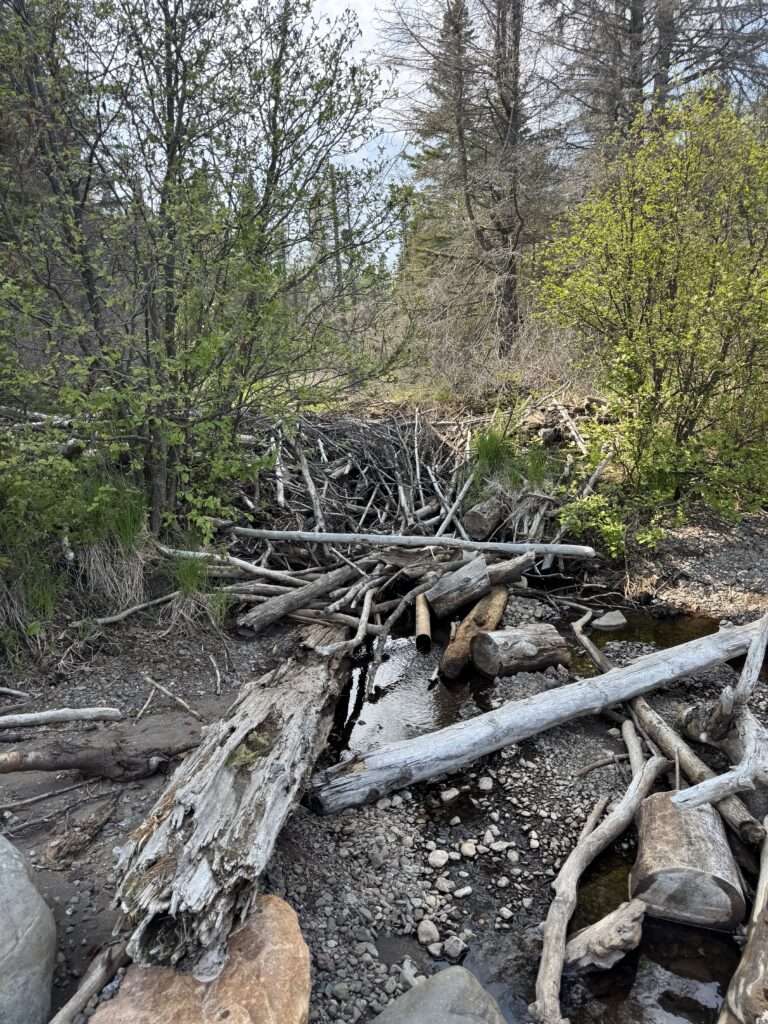
- Beavers: Evidence of their dams throughout the interior waterways
History & Cultural Heritage
Isle Royale has been inhabited and visited for thousands of years, and that history adds real depth to the experience.
Ojibwe Heritage
The island sits within the traditional territory of the Ojibwe (Anishinaabe) people, who called it Minong and visited for centuries to fish, hunt, and mine copper. Copper tools and artifacts found on the island date back over 4,000 years, making it one of the earliest known copper-mining sites in North America.
19th-Century Commercial Copper Mining
In the 1840s, American settlers discovered the island’s copper deposits and launched a mining boom that lasted into the late 1800s. The ruins of old mining operations are still visible at several sites, including the Island Mine campground area. The name “Minong” lives on in the Minong Ridge trail, one of the island’s most rugged backpacking routes.
Fishing Camps & Commercial Fishing
Into the 20th century, commercial fishermen operated camps on Isle Royale’s shores. A few of these historic fishing camps have been preserved—the Edisen Fishery near Rock Harbor is one of the most accessible and is occasionally staffed by NPS rangers in period clothing.
Fishing on Isle Royale
Isle Royale is an excellent destination for freshwater fishing, and it’s an underappreciated part of what the park offers.
- Species: Lake trout, northern pike, yellow perch, and walleye are all present
- License: A Michigan fishing license is required (available online before your trip)
- Gear: Pack a lightweight rod and reel—ultralight spinning setups work well and are easy to carry
- Best Spots: Tobin Harbor, Siskiwit Lake, and the inland lakes along the Feldtmann Ridge are popular choices
- Motorboat rentals from Rock Harbor Lodge give you access to deeper water for lake trout
Packing for Isle Royale
Backpacking here means full self-sufficiency. There’s no resupply once you leave the trailhead, and conditions can change fast. Here’s what to bring:
- Water Filtration System – Lakes and streams are your only source; a filter or purifier is non-negotiable
- Insect Protection – Bug spray + head net (essential June–Aug)
- Layered Clothing – Cold nights, even in summer; Lake Superior keeps temps cool
- Rain Gear – Lake Superior weather is unpredictable; storms can roll in fast
- Bear-Resistant Food Canister – Required as of 2025 for all backcountry camping. Hard-sided canisters only; soft-sided bags do not comply
- Navigation Tools – GPS, paper topo map, compass. Download AllTrails or Gaia GPS offline before you leave cell service
- Battery Backup/Solar Charger – No power outlets in the backcountry
- First Aid Kit – Nearest hospital is on the mainland
- Trekking Poles – Helpful on the rocky, rooted trails
New to backpacking? Read our post on 15 Things I Wish I Knew Before My First Backpacking Trip before you go.
Connectivity & Safety
There is no cell service on Isle Royale. Limited Wi-Fi is available at Rock Harbor Lodge and Windigo Visitor Center, but it’s unreliable.
Bring a satellite communication device like the Garmin inReach or use iPhone’s emergency satellite texting feature for emergencies. This is not optional for backcountry trips—if you get injured on a remote trail, a satellite communicator is how help finds you.
Food Options on the Island
Greenstone Grill offers seasonal hot meals but with limited hours and seating—breakfast and dinner only, and it fills up fast.
Small general stores at Rock Harbor and Windigo sell snacks, freeze-dried meals, and fuel—though supplies are limited and expensive. Don’t count on them for your full food supply.
For backpacking, plan to bring your own food—lightweight, high-calorie, and non-perishable. Even if you’re staying at the lodge, it’s smart to bring backup snacks and a few emergency meals.
Best Time to Visit Isle Royale
- Season: Open April 16–Oct 31 (Full services May–Sept)
- Best Window: Late August to mid-September — Fewer bugs, more stable weather, fall colors starting
- Avoid: June–early August (peak mosquitoes and black flies—bring a head net no matter what)
- Shoulder Season (May, Oct): Beautiful and very quiet, but services are limited and temperatures can be harsh
Sample Itineraries
3-Day Rock Harbor Getaway (Perfect for first-timers)
- Day 1: Arrive by ferry or seaplane. Hike Scoville Point. Visit Rock Harbor Visitor Center.
- Day 2: Hidden Lake boat tour + Lookout Louise hike. Paddle Tobin Harbor.
- Day 3: Hike to Suzy’s Cave. Depart via ferry or plane.
3-Day Backpacking Weekend (Rock Harbor Area)
This is the trip we did!
- Friday: Arrive and hike to Lane Cove (6 mi). Camp by the lake.
- Saturday: Hike to 3 Mile Camp via Mt. Franklin & Daisy Farm (10 mi)
- Sunday: Hike back to Rock Harbor (5 mi) for departure
- Total: 21 mi over 3 days
4-Day Windigo Explorer
Explore moose-rich forests and remote coastline
- Day 1: Arrive. Hike Windigo Nature Trail.
- Day 2: Huginnin Cove Loop
- Day 3: Grace Creek Overlook + optional Feldtmann Lake trail
- Day 4: Easy morning walk. Depart.
6-Day Rock Harbor to Windigo Thru-Hike
- Day 1: Rock Harbor to Three Mile Campground
- Day 2: To Moskey Basin
- Day 3: Summit Mt. Ojibway and overnight at Daisy Farm
- Day 4: Cross to Hatchet Lake
- Day 5: Continue to Island Mine Campground
- Day 6: Finish at Windigo and return by ferry or seaplane
Frequently Asked Questions about Isle Royale National Park
Can you drive to Isle Royale? No. The island is only accessible by ferry or seaplane. There are no bridges or road connections.
Is Isle Royale worth it? Absolutely—if you want a genuinely wild, remote national park experience with almost no crowds. The logistics are more involved than most parks, but that’s exactly why it remains so unspoiled.
How many days do you need at Isle Royale? A minimum of 3 days is recommended to justify the ferry journey and experience more than just the area around Rock Harbor. 5–7 days is ideal for a true backcountry trip.
Do you need a permit for Isle Royale? Yes, a backcountry permit is required for all overnight stays outside the lodge. Permits are issued upon arrival at the visitor center—no advance reservation needed.
What should I do about the bugs? Bring a head net and DEET bug spray, and visit in late August or September if bugs are a concern. June and July have the worst mosquitoes and black flies.
Is there an annual pass for Isle Royale? Yes—the Isle Royale Season Pass ($35) covers all entry fees for one calendar year. The America the Beautiful Annual Pass also works.
Final Tips for Isle Royale National Park Travel
- Book early—ferries, flights, and lodge lodging fill up months ahead, especially in summer. Lock in reservations as soon as your dates are set.
- Bring physical maps and offline tools. There’s no cell service, and GPS can fail in dense forest. A waterproof topo map and downloaded apps like Gaia or AllTrails Pro are essential.
- Bugs and weather can be intense. Black flies and mosquitoes peak early summer. Pack repellent, a head net, and rain gear. Nights are chilly—even in July—and sudden storms are common.
- Bear canisters are now required (2025). Make sure yours is hard-sided and NPS-approved before you leave home.
- Tell someone your itinerary. With no cell service, a friend or family member on the mainland should know your route and expected return date.
With the right prep, Isle Royale will reward you with unforgettable hiking, paddling, and wildlife encounters. It’s a national park experience unlike any other—wild, remote, and deeply rewarding.
Enjoyed this guide? Check out our other Midwest National Park guides or browse our full list of National Park guides for more trip inspiration.