Last Updated on May 14, 2026 by Melissa
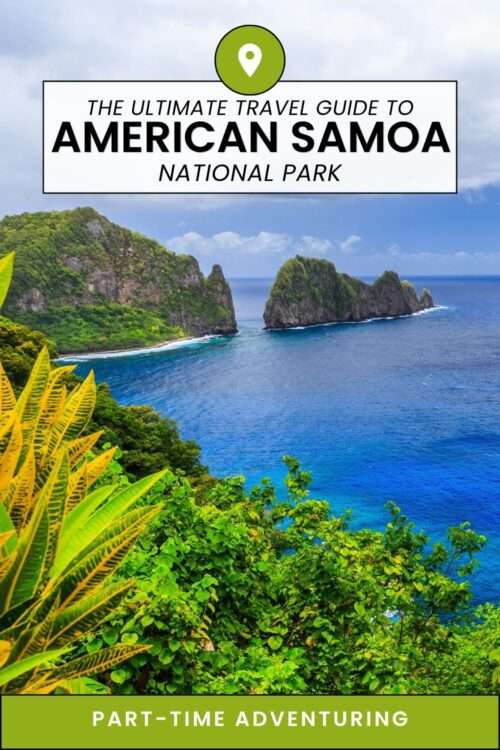
National Park of American Samoa is one of the most remote and unique national parks in the United States. Located deep in the South Pacific nearly 2,600 miles southwest of Hawaii, the park protects lush rainforest mountains, volcanic coastlines, coral reefs, and traditional Samoan villages across three main islands: Tutuila, Ofu, and Ta‘ū.
It is also the only U.S. National Park south of the equator. What makes it especially different from other parks is that the cultural experience is just as important as the natural scenery. Visiting here means experiencing Fa’a Samoa, or “The Samoan Way,” which is centered around family, respect, religion, and community.
This is not a destination with polished tourism infrastructure or luxury resorts. It is remote, culturally grounded, and often challenging to access. But for travelers looking for something truly off the beaten path, it is one of the most rewarding national park experiences in the United States.
How to Get to American Samoa
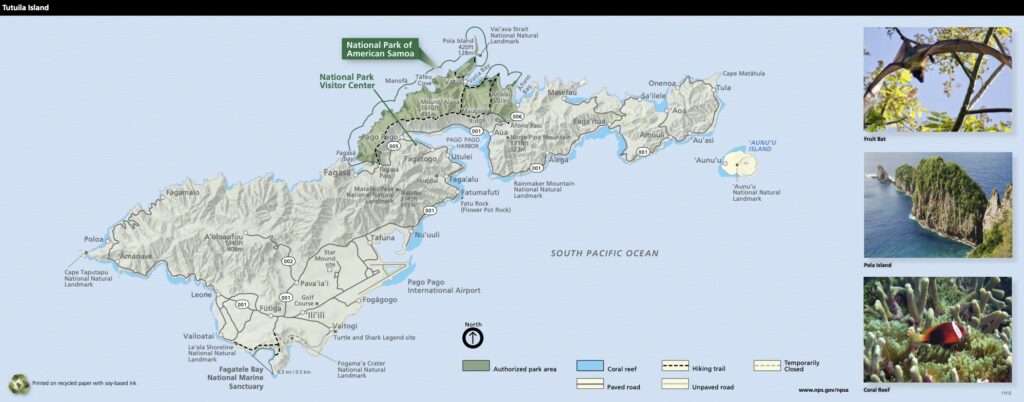
Getting to American Samoa requires more planning than almost any other U.S. national park. Most travelers fly from the mainland U.S. to Honolulu and then continue on to Pago Pago on Tutuila Island.
Flights between Honolulu and Pago Pago are extremely limited and typically operate only a few days per week, most commonly Monday, Wednesday, and Friday. Because of this, missing a flight or having delays can significantly impact your entire itinerary. Building buffer days into your trip is highly recommended. Especially if flying from Eastern US, you may want some buffer days to adjust to the timezone.
Entry Requirements
Even though American Samoa is a U.S. territory, entry rules are stricter than most domestic destinations. Travelers must have either a valid passport or a certified birth certificate paired with a government-issued photo ID. A standard driver’s license alone is not sufficient for entry. For more information about this click here.
Getting Around Tutuila
A rental car is essentially required on Tutuila. There is no reliable public transportation system for tourists, and rideshare services do not exist. Many of the park’s hikes, beaches, and viewpoints are spread across the island, so having your own vehicle is the only practical way to explore.
Some rental car companies include: Worldwide Tours & Travel, Tuanaitau Car Rentals (who we used), Tautai Car Rentals
Roads are narrow, often winding, and can be steep or rough in places. Travel times are usually longer than expected due to terrain and weather conditions.
Things You Need to Know Before Visiting
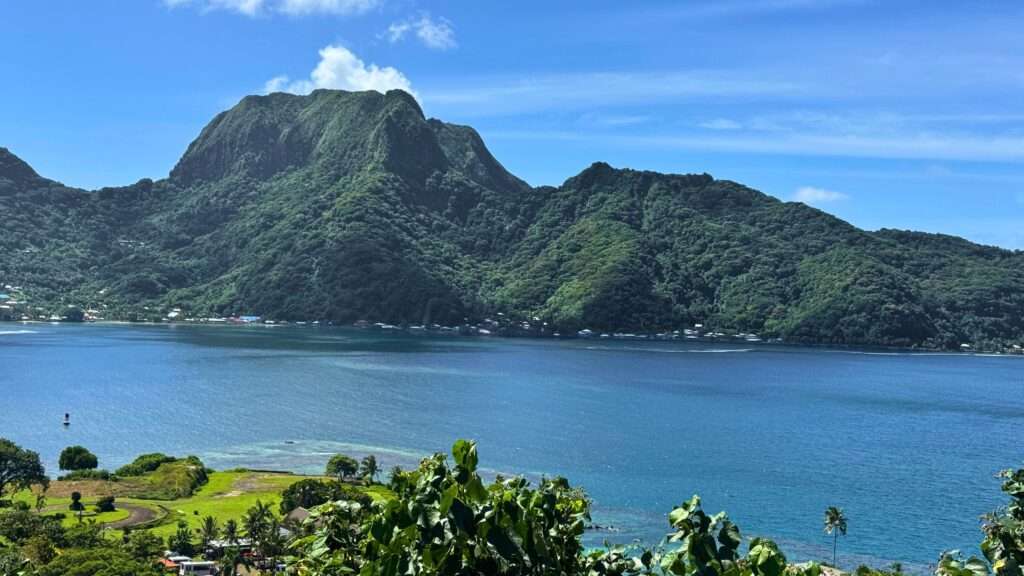
American Samoa is very different culturally from places like Hawaii or mainland U.S. destinations, and respecting local customs is extremely important.
Culture and Dress
The islands are deeply traditional and conservative. Modest clothing is expected in villages and around local communities. Travelers should plan to wear t-shirts, longer shorts, and pants when not at the beach. Full-coverage swimwear or rash guards are more appropriate than revealing bikinis in many areas.
Sundays Are Observed
Sunday is widely observed as a day of rest, church, and family time. Many activities stop completely. Visitors should avoid hiking certain trails, swimming at village beaches, or being loud or disruptive.
Some trails are officially closed on Sundays, including Tuafanua Trail and Old Vatia Trail. Many restaurants and shops are also closed or operate on limited hours.
Cell Service and Connectivity
Cell service is unreliable across much of the island. Most carriers do not work at all, and others have very limited coverage. Visitors can purchase a local SIM card, but many people choose to disconnect entirely. This often ends up being one of the most memorable parts of the trip.
I would recommend keeping your phone on airplane mode regardless or else you may get some charges form your carrier.
Snorkeling Gear

Rental gear is extremely limited, so bringing your own snorkel equipment is highly recommended. This is especially important if you plan to visit Ofu Island, where access to supplies is even more limited.
Visitor Center
The National Park of American Samoa Visitor Center is located along Route 001 on the main road between Pago Pago and Fagatogo. It is open Monday through Friday, 8am to 3pm, and closed on weekends. It sits in Pago Pago village, across from the Pago Way Service Station. Inside you’ll find maps, trail condition updates, cultural exhibits, a whale skull display, and rotating local art. It’s also where you can get your national park passport stamp. Note that on days when cruise ships are in port, the visitor center will open even on weekends and holidays.
Best Time to Visit American Samoa
American Samoa has a tropical climate year-round, but conditions vary between wet and dry seasons.
Dry Season (May–October)
This is generally the best time to visit. Rainfall is lower, humidity is slightly more manageable, and hiking conditions are more stable. Ocean conditions are also typically calmer.
Even during the dry season, however, rain is still frequent and weather can change quickly.
Wet Season (November–April)
The wet season brings heavier rainfall, higher humidity, and more challenging hiking conditions. Trails can become extremely muddy, and ocean conditions may be rougher. Tropical storms are also possible during this time.
Where to Stay in American Samoa
Most visitors stay on Tutuila Island, where the majority of accommodations, restaurants, and services are located.
Sadie’s by the Sea
One of the most convenient and popular options. It is located right on the waterfront near Pago Pago and offers easy access to restaurants, the visitor center, and many of the park’s main areas. We did not stay here but we purchased a day pass to use their beach and water access on a Sunday.
Tradewinds Hotel
Located near the airport, this is a more modern and practical option, especially for short stays or early flights. It is simple but comfortable and one of the most reliable hotel choices on the island. This is where we stayed and we enjoyed our stay there.
Staying on Ofu Island
Accommodations on Ofu is extremely limited and very basic. Services are minimal, food options are scarce, and connectivity is unreliable. Despite this, staying on Ofu offers one of the most unforgettable travel experiences in the entire park system due to its remoteness and natural beauty. Vaoto Lodge seems to be the best option to stay at on Ofu
Best Hikes in National Park of American Samoa
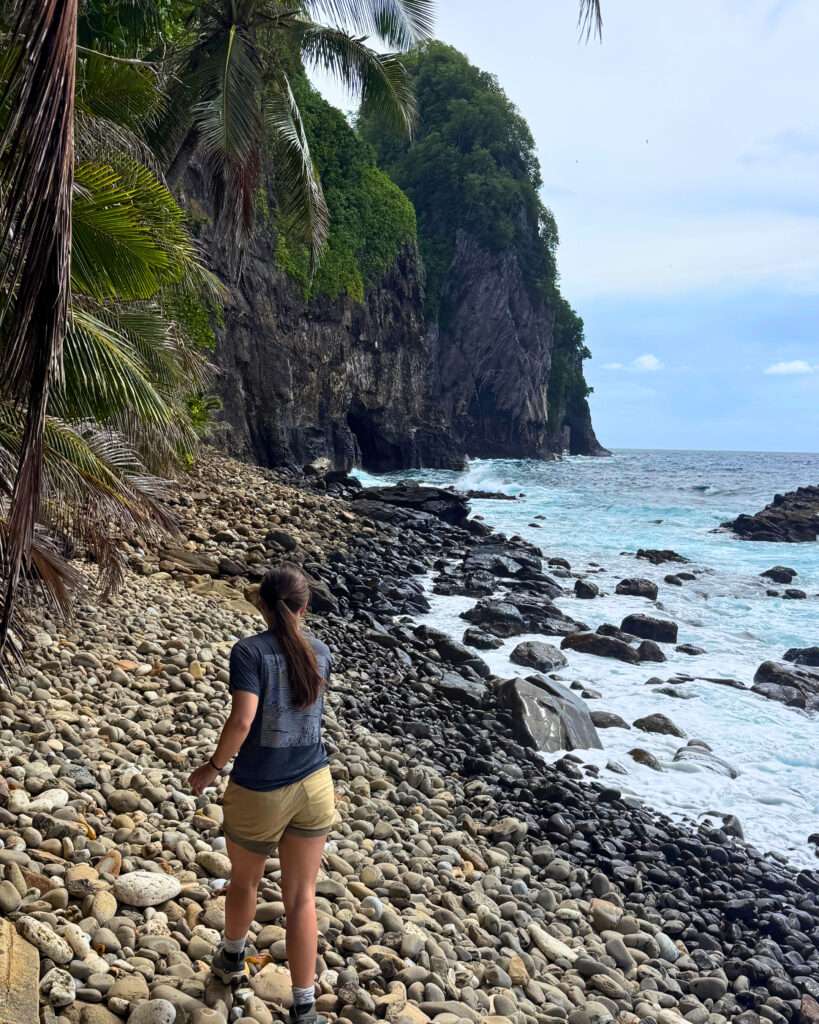
The hikes in American Samoa are not long in mileage, but they are physically demanding due to humidity, elevation changes, and muddy terrain. We only did a few of these and avoided doing the longer harder trails due to the humidity and heat.
Mount ‘Alava Trail
Distance: 7 miles round trip
Elevation Gain: ~1,200 feet
Difficulty: Moderate to strenuous
One of the most iconic hikes in the park, Mount ‘Alava climbs through dense rainforest before opening up to sweeping views over Pago Pago Harbor. The trail feels significantly harder than the mileage suggests due to humidity and steep sections.
Expect jungle terrain, ridge viewpoints, WWII remnants, and wildlife along the way. The summit offers one of the best panoramic views on Tutuila.
Pola Island Trail
Distance: 0.5 miles round trip
Difficulty: Easy
A short but highly scenic trail leading to an overlook of Pola Island. The dramatic sea stack rising from the ocean makes this one of the most photographed viewpoints in the park.
Lower Sauma Ridge Trail
Distance: 1.5 miles round trip
Elevation Gain: ~600 feet
Difficulty: Easy to moderate
A great introductory hike with coastal views and a manageable climb. It is a strong option for visitors adjusting to the heat and terrain.
Tuafanua Trail
Distance: 2.2 miles round trip
Elevation Gain: ~900 feet
Difficulty: Strenuous
A steep descent through rainforest leading to a remote beach. The climb back is extremely challenging in humidity and heat.
Expect mud, slippery roots, and rope sections. This trail is closed on Sundays.
Snorkeling and Beaches
The marine environment is one of the highlights of American Samoa. Coral reefs are rich with tropical fish, sea turtles, and other marine life.
Ofu Beach
Often considered one of the best beaches in the entire U.S. National Park system. The water is extremely clear, calm, and turquoise, with coral reefs close to shore making snorkeling exceptional.
Fagatele Bay
A protected marine reserve known for its healthy reef system and biodiversity. One of the best snorkeling areas on Tutuila.
Two Dollar Beach
A popular local beach for swimming and relaxing after hikes, with calm water and easy access. Despite the name, the entry fee is actually $5 per person — cash only. The name dates back to the 1960s when the privately owned beach charged $2, and the family who owns it has kept the name ever since. Amenities on site include bathrooms, hot and freshwater showers, beach fales, lounge chairs, BBQ grills, a bar, and WiFi. It is closed on Sundays, so plan your visit accordingly.
Visiting Ofu Island
Ofu Island is one of the most remote and visually stunning parts of American Samoa. It feels almost untouched, with dramatic mountains and bright turquoise water.
Getting there requires multiple flights and flexibility due to limited schedules and weather disruptions. Infrastructure is minimal, and travelers should expect limited food, lodging, and connectivity. Here is more information regarding inter-island flights.
Despite the challenges, Ofu is often considered the highlight of the entire park due to its raw natural beauty.
Best Restaurants in American Samoa
Dining options are limited but offer a mix of local and casual spots.
Tisa’s Barefoot Bar is known for fresh Piña coladas, although they are not consistently open (island time). We loved the food at Dr. Vaasa’s, get the fish! We also ate breakfast at the Tradewinds hotel and dinner there a few times and it was solid!
What to Pack for American Samoa National Park
The remote location and unique conditions make packing intentionally very important. Supplies on the island are limited and expensive.
- Snorkel gear — Rental availability is extremely limited. Bring your own mask, snorkel, and fins.
- Reef-safe sunscreen — Required to protect the coral. Hard to find locally.
- Hiking shoes with grip — Trails are steep, muddy, and often have exposed roots. Make sure you have a solid pair of hiking boots or shoes!
- Quick-dry clothing — You will sweat constantly. Pack light, breathable layers.
- Modest cover-ups — For villages, the visitor center, and anywhere outside the beach. Long shorts, t-shirts, and lightweight pants.
- Dry bags or waterproof phone case — Humidity and sudden rain are constant.
- Cash (USD) — Many places do not accept cards. Two Dollar Beach and some local spots are cash only.
- Portable charger — Especially if visiting Ofu Island you may need these!
- Electrolyte packets — Humidity is intense. Staying hydrated goes beyond just drinking water.
Frequently asked questions
Final Thoughts
National Park of American Samoa is one of the most remote and rewarding national park experiences in the United States. It requires flexibility, planning, and patience, but in return offers rainforest hikes, coral reefs, and a deeply cultural experience rooted in Fa’a Samoa.
It is one of the few places in the National Park System that still feels truly untouched and disconnected from modern tourism.