Last Updated on May 17, 2026 by Melissa
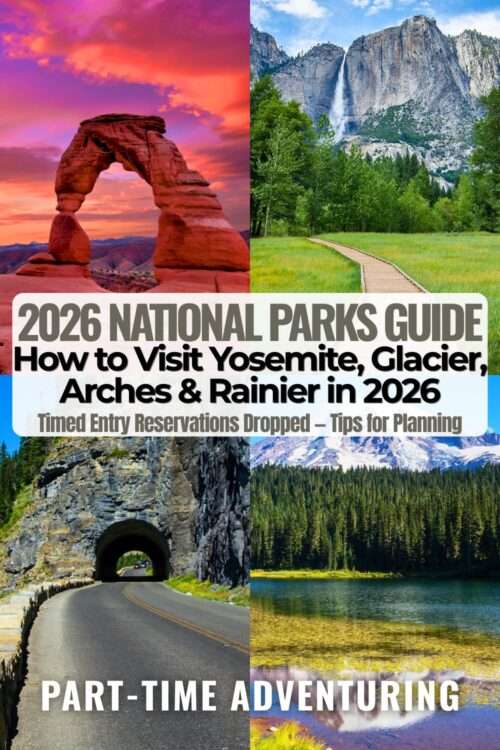
Big news came out of the National Park Service in February 2026: four of the most popular parks in America — Yosemite, Glacier, Arches, and Mount Rainier — announced they were dropping their timed entry reservation systems entirely for the 2026 season.
The headlines were exciting. “No reservation needed!” “Show up whenever you want!” And then on Saturday, May 2nd, Yosemite Valley ran out of parking before 11am. The park sent an emergency alert at 10:59am telling people to avoid the valley entirely. An hour and a half later, Hetch Hetchy was full too. Traffic delays stretched 90 minutes at the south entrance. This was in early May — weeks before summer even started.
In March 2026 alone, Yosemite welcomed 225,817 recreational visitors — a nearly 45% increase compared to the same month last year. The reservation system is gone. The crowds are not.
We’ve visited 54 of the 63 national parks and we’re going to be straight with you: no reservation required does not mean show up whenever and have a good time. These are some of the most visited places on Earth. The rules changed. The reality didn’t. Here’s exactly what you need to know to actually enjoy each of these four parks in 2026.
Table of Contents
- Parks dropping timed entry for 2026: Yosemite, Glacier, Arches, Mount Rainier
- Parks still requiring reservations: Rocky Mountain, Haleakala, Acadia (Cadillac Summit Road), Shenandoah (Old Rag), Carlsbad Caverns
- Entry fees: Still required at all four parks — America the Beautiful Pass covers all of them
- Bottom line: Be earlier than you think you need to be
Why Did These Parks Drop Timed Entry?
The Department of Interior framed the decision as keeping parks “open and accessible” to the American people, saying the change was intended to make parks more accessible without requiring extensive planning months ahead. Not everyone agreed. The National Parks Conservation Association called the decision a choice of “chaos over conservation,” warning it would put visitors back into traffic jams and limit access due to overcrowded parking lots and trails.
The practical effect? Spontaneous trips to all four parks are genuinely possible again — but the system is more flexible yet potentially more frustrating. Whether you think this is good or bad policy, you may still have a trip planned to one of the this summer. So here’s how to do it right.
Yosemite National Park — The Wake-Up Call
What Changed
Yosemite will no longer require reservations — the park says congestion will be managed through staffing and real-time monitoring. This is the first fully open summer since 2020.
What Already Happened
Yosemite Valley ran out of parking before 11am on Saturday, May 2, 2026 — weeks before the summer rush. The park sent an emergency alert: “All parking in Yosemite Valley is full. Avoid entering Yosemite Valley.” About 90 minutes later, Hetch Hetchy was full too, with 90-minute delays at the south entrance. That was May. In summer, it will be worse.
How to Actually Enjoy Yosemite in 2026
Arrive before 7am or after 6pm. If you want to be able to park in the valley this is a must!
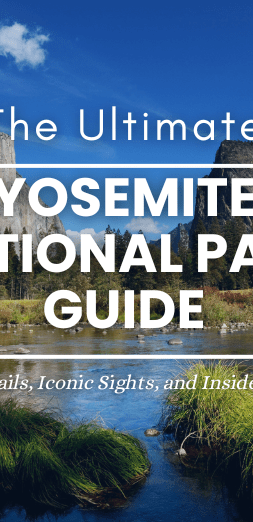
Visit on weekdays. Tuesday through Thursday are dramatically less crowded than weekends. Delays and congestion are noticeably worse on Saturdays, Sundays, and holiday weekends.
Use the free valley shuttle. Park once near Yosemite Village and ride the free shuttle between valley stops all day — no hunting for multiple parking spots.
Stay inside the park. Book a campground or lodge at Yosemite Valley Lodge and you’re already there before day visitors flood in. Both in-park lodging and campgrounds book out months ahead — check Recreation.gov immediately.
Don’t miss Glacier Point. One of the most jaw-dropping viewpoints in any national park — panoramic views of Half Dome and the entire valley. Pair it with the Panorama Trail for a full day hike down to the valley.
Iconic hikes to plan for:
- Mist Trail — the classic Yosemite hike past Vernal and Nevada Falls. Start by 6am to beat the crowds and the heat.
- Half Dome — a separate permit is still required via lottery on Recreation.gov, regardless of the timed entry change. Apply well in advance.
Watch real-time conditions at nps.gov/yose before you leave your hotel. If the valley is full, they’ll say so.
Glacier National Park — Freedom to Drive, but Logan Pass Has Rules
What Changed
No more vehicle reservations anywhere in Glacier National Park — you can drive the full Going-to-the-Sun Road whenever you want.
The Catch
The Logan Pass shuttle is now reservation-only. Logan Pass — the crown jewel of Going-to-the-Sun Road — also has a 3-hour parking limit starting July 1. Shuttles to Logan Pass will not pick up passengers without tickets. Book on Recreation.gov for a $1 processing fee, available 60 days out or at 7pm the night before.
How to Actually Enjoy Glacier in 2026
Book the Logan Pass shuttle as soon as you know your dates. This is effectively the new reservation system for the most popular part of the park. Don’t skip this step.
Drive Going-to-the-Sun Road early in the morning. The 52-mile road is stunning at sunrise with minimal traffic. Park at Apgar or St. Mary transit centers and take the shuttle up.
Check when Going-to-the-Sun Road opens. The full road typically opens between mid-June and early July depending on snowpack. Check nps.gov/glac before you go.
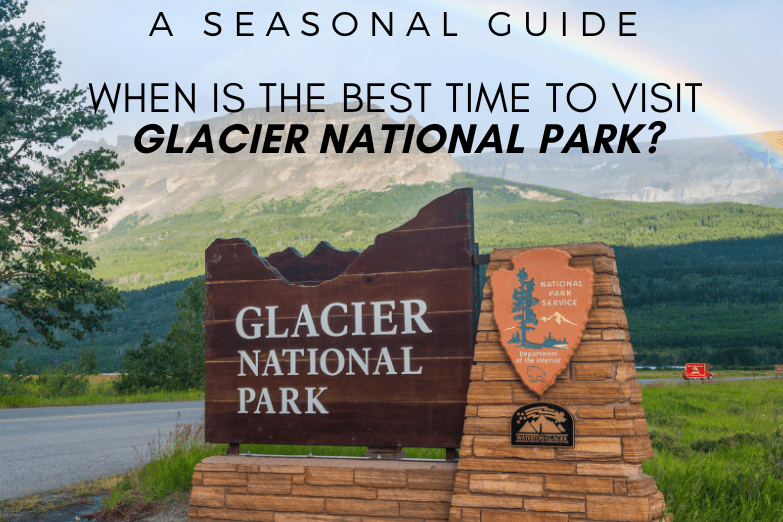
Hike the Highline Trail. Starts at Logan Pass and traverses the Garden Wall with jaw-dropping views the entire way. One of the best hikes in the entire national park system — do not miss it if you’re at Glacier. If you’re not up to hike the entire trail at least do a few miles starting at Logan Pass, it’s one of the best views along the trail.
Explore the Many Glacier area. This side of the park is reservation-free, less crowded, and home to Grinnell Glacier — arguably the best hike in the park. Some of the best wildlife viewing in all of Glacier happens here too.
Book lodging early. Check Glacier National Park hotels or nearby Whitefish vacation rentals — both fill months in advance for summer.
Arches National Park — Parking Is the New Reservation
What Changed
No timed entry reservations required for 2026 — you can pull up to the entrance anytime during operating hours. The reservation system had been in place since spring 2022.
The Catch
The parking lots are the same size they were last year. Lots at Delicate Arch, the Windows Section, Devils Garden, and Landscape Arch fill quickly on weekends and holidays. Before the timed entry system existed, Arches regularly closed its entrance entirely when the park hit capacity — that’s the baseline you’re returning to.
How to Actually Enjoy Arches in 2026
Arrive before 8am. Early entry means cooler temperatures, better light for photography, and an actual chance at parking at Delicate Arch and other popular trailheads.
Check the live entrance webcam before you drive. Real-time conditions at go.nps.gov/archeswebcam — use it before committing to the drive from Moab, especially mid-morning.
Visit after 4pm or stay for the stars. Arches is an International Dark Sky Park. Most day visitors clear out by late afternoon, and evening visits to Delicate Arch at sunset are spectacular with far fewer crowds.
Have a Plan B. If the Delicate Arch lot is full, head to Devils Garden or the Windows Section and circle back later. Build buffer time into your day — a “quick stop” at a packed trailhead can easily eat 45 minutes.
Camp inside the park. Devils Garden Campground positions you for dawn and dusk visits before day visitors arrive. Reserve up to 6 months in advance on Recreation.gov ($25/night).
Pair with nearby alternatives. If Arches lots are full, Canyonlands National Park and Dead Horse Point State Park are just a short drive from Moab with outstanding scenery and far fewer crowds.
Base yourself in Moab — closest town with the most accommodation options and great access to early morning park entry. Browse Moab vacation rentals too.
Mount Rainier National Park — Paradise Fills by 9am
What Changed
No timed entry reservation required anywhere in Mount Rainier National Park for 2026 — the pilot program from 2024 and 2025 has been canceled. Entry is first-come, first-served at all entrances.
The Catch
Parking is the constraint. Paradise lots fill by 9am on summer weekends. Sunrise lots fill by 10am. Without timed entry spreading out arrivals, the only real fix is arriving early or visiting on a weekday.
How to Actually Enjoy Mount Rainier in 2026
Be at Paradise by 7am. Arriving before 7am or returning after 4pm are your best windows. Late afternoon during wildflower season is one of the best-kept secrets in the park — parking opens back up and the light is stunning.
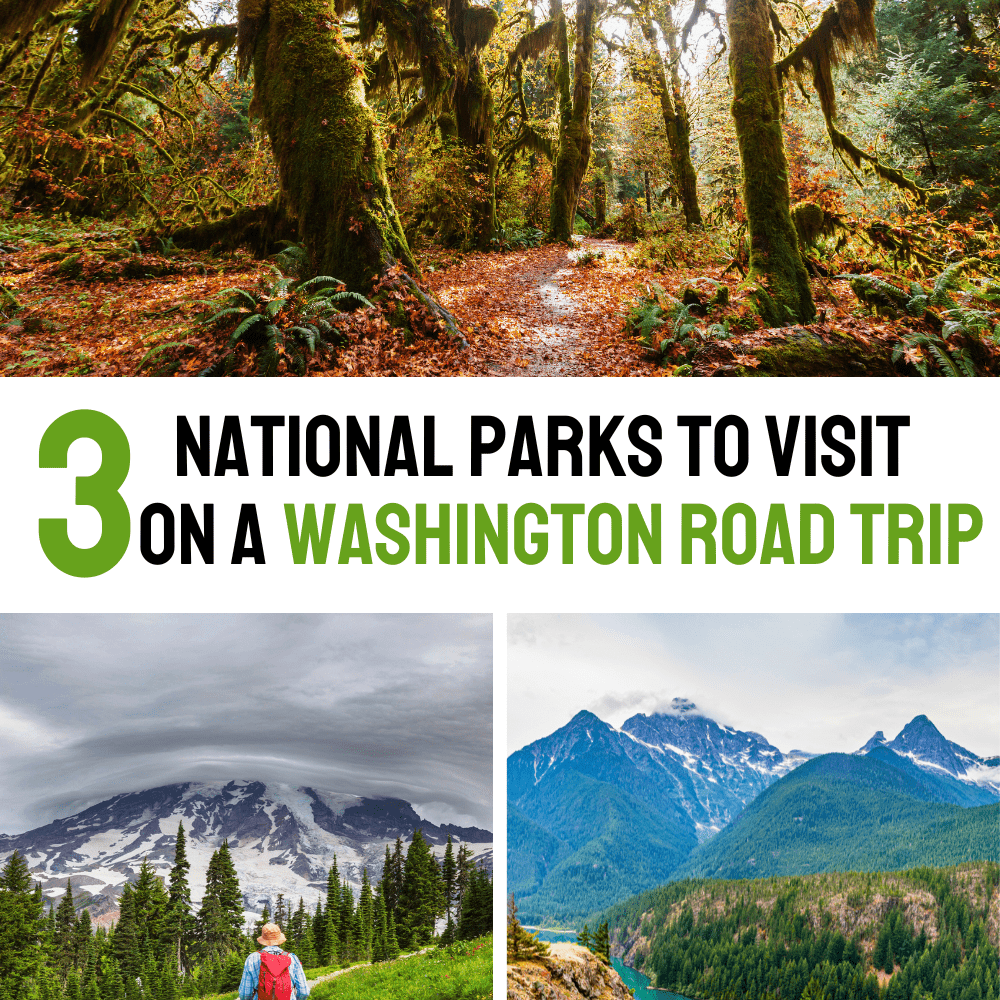
Visit Tuesday through Thursday. Weekday mornings are the closest thing to a guarantee in summer for finding parking without a wait.
Hike the Skyline Trail. The 6.3-mile loop from Paradise to Panorama Point is the signature hike in the park — wildflower meadows, glacier views, and Rainier looming right above you. Start by 8am on summer weekends to secure parking.
Plan around wildflower season. Peak wildflowers at Paradise run mid-July through mid-August. September brings fall color at Sunrise with noticeably thinner crowds — one of our favorite times to visit Pacific Northwest parks.
Check Sunrise Road opening dates. Sunrise Road typically opens late June to early July depending on snowpack, and stays open through mid-October. Note: Ohanapecosh Campground is closed in 2026 for rehabilitation — Cougar Rock and White River are the in-park camping options this year.
Book lodging early. Paradise Inn is open May 18–September 30 and books out months ahead for July and August. Check Ashford hotels or Ashford vacation rentals as your closest base.
Parks That STILL Require Reservations in 2026
Don’t make the mistake of assuming reservations are gone everywhere. These parks still require advance booking:
- Rocky Mountain National Park (Colorado) — Timed entry continues May 22 through October 12, 2026. Book at Recreation.gov
- Haleakala National Park (Hawaii) — Sunrise vehicle reservations still required for 3–7am entry
- Acadia National Park (Maine) — Vehicle reservations still required for Cadillac Summit Road
- Shenandoah National Park (Virginia) — Day-use tickets required for Old Rag Mountain hikers
- Carlsbad Caverns (New Mexico) — Cave tour reservations still required
Universal Tips for All Four Parks
No matter which park you’re visiting this summer, these apply everywhere:
Get the America the Beautiful Pass. Covers entry to all four parks and pays for itself fast if you’re hitting more than two parks on a trip. At $80 it’s one of the best deals in travel.
Book campgrounds and lodging immediately. The reservations that matter most in 2026 aren’t entry reservations — they’re campground and lodging reservations. These fill months out for summer.
Download AllTrails+ for offline maps. Cell service is unreliable or nonexistent in all four parks. Download before you leave home.
Pack the right gear. A waterproof jacket and sturdy hiking boots are non-negotiable. Mountain weather shifts fast. Bring dry bags for electronics too.
Check park alerts the morning of your visit. Every park has a conditions and alerts page. Check it before you drive an hour to a full parking lot.
Avoid major holiday weekends. Memorial Day, 4th of July, and Labor Day are the most crowded days of the year at all four parks. Midweek visits are almost always a better experience.
Final Thoughts
The headline is technically true — you don’t need a reservation to visit Yosemite, Glacier, Arches, or Mount Rainier in 2026. But the people who show up at 10am on a summer Saturday expecting an easy visit are going to have a very different experience than those who planned ahead.
The crowds didn’t disappear when the reservation systems did. If anything, visitation is up — dramatically at Yosemite. Go early, stay flexible, book your campsite or hotel now, and you’ll have an incredible experience. Show up unprepared and you might spend your vacation sitting in a parking lot.
More from Part-Time Adventuring: