
Weekendmaxxing National Parks is all about maximizing your short bursts of time — typically Friday to Sunday — to see as many parks as feasible without sacrificing quality experiences. The term “Weekendmaxx” can be defined as the practice of optimizing weekends to get the most out of travel, activities, or experiences in a short period of time. With strategic planning, smart travel choices, and realistic itineraries, you can turn long weekends into a year filled with iconic memories.
Whether you’re flying smart straight into park regions or driving and camping to stretch every moment, this guide will walk you through everything you need to know for efficient, satisfying National Park trips in 2026.
Why 2026 Is the Perfect Year to Weekendmaxx National Parks
National Park visitation and infrastructure have both evolved, creating excellent opportunities for optimized short trips:
- Many parks now use timed entry and reservation systems for popular weekends — planning ahead ensures you get access at peak moments. Some parks like Yosemite, Rocky Mountain, and Glacier have reservations for peak periods.
- Camping and lodging reservations are more widely available through Recreation.gov, the NPS App, and partners — essential for weekend stays.
- Shoulder seasons (spring and fall) offer lower crowds and prices while still delivering great weather.
Weekend travel — especially if you plan six or more mini trips a year — helps you leverage both seasonal advantages and limited PTO to hit more National Parks with less stress.
The Weekendmaxx National Park Strategy (The Framework)
To truly weekendmaxx National Parks, you want to combine park selection, transport choice, overnight strategy, and goal-oriented planning.
Choose Weekend-Friendly Parks
Not all parks are created equal when it comes to short stays. The best weekend parks deliver big natural moments within a concentrated area — allowing you to see iconic sights without marathon drives inside the park.
Examples of weekend-friendly parks include:
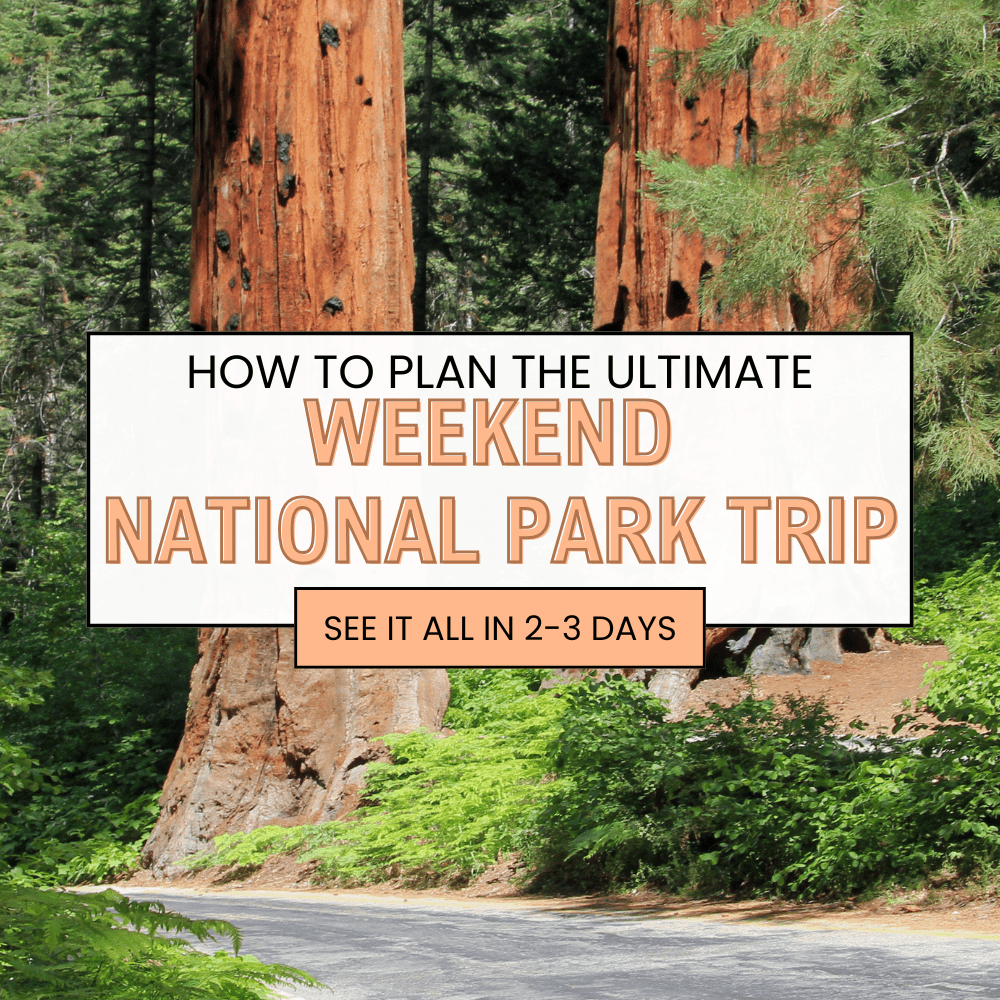
- Bryce Canyon (UT) — dramatic hoodoos compacted into a small area.
- Joshua Tree National Park (CA) — desert landscapes, rock formations, and short hikes spread across an easy-to-navigate park that’s perfect for weekend road trips and camping.
- Black Canyon of the Gunnison National Park (CO) — steep canyon walls and immediate wow-factor viewpoints accessible via short walks and scenic drives.
- Acadia National Park (ME) — coastal cliffs, granite peaks, and dense hiking networks that allow you to see a lot of the park without long internal drives.
- Rocky Mountain National Park (CO) — close to Denver with alpine views.
These parks offer major experiences in one or two days for travelers who don’t want a full week.
Fly Smart for Short National Park Trips
Flying can dramatically reduce transit time — especially for parks that aren’t within driveable distance from home.
Tips for flying success:
- Choose nonstop flights when possible. They save hours that often exceed driving times.
- Fly into the closest airport and strategize your rental car pickup. For example:
- Rocky Mountain National Park via Denver International Airport (~1.5–2 hours drive).
- Acadia National Park via Bangor, Maine (~1 hour).
- Cuyahoga Valley National Park via Cleveland (~30 minutes). (List National Park)
- Time your flight Friday night or early Saturday morning and plan to return late Sunday evening for max park time.
Flying works best when the airport-to-park drive is 1–3 hours, letting you maximize daylight for hiking and exploration.
Drive More Than You Think Is Reasonable
Many parks sit within a day’s drive of major urban centers — making road-tripping a weekend-maxxing secret weapon.
A “day’s drive” is generally defined as 4–8 hours each way — long enough to reach many parks from regional hubs.
Examples of parks within reach of a day’s drive:
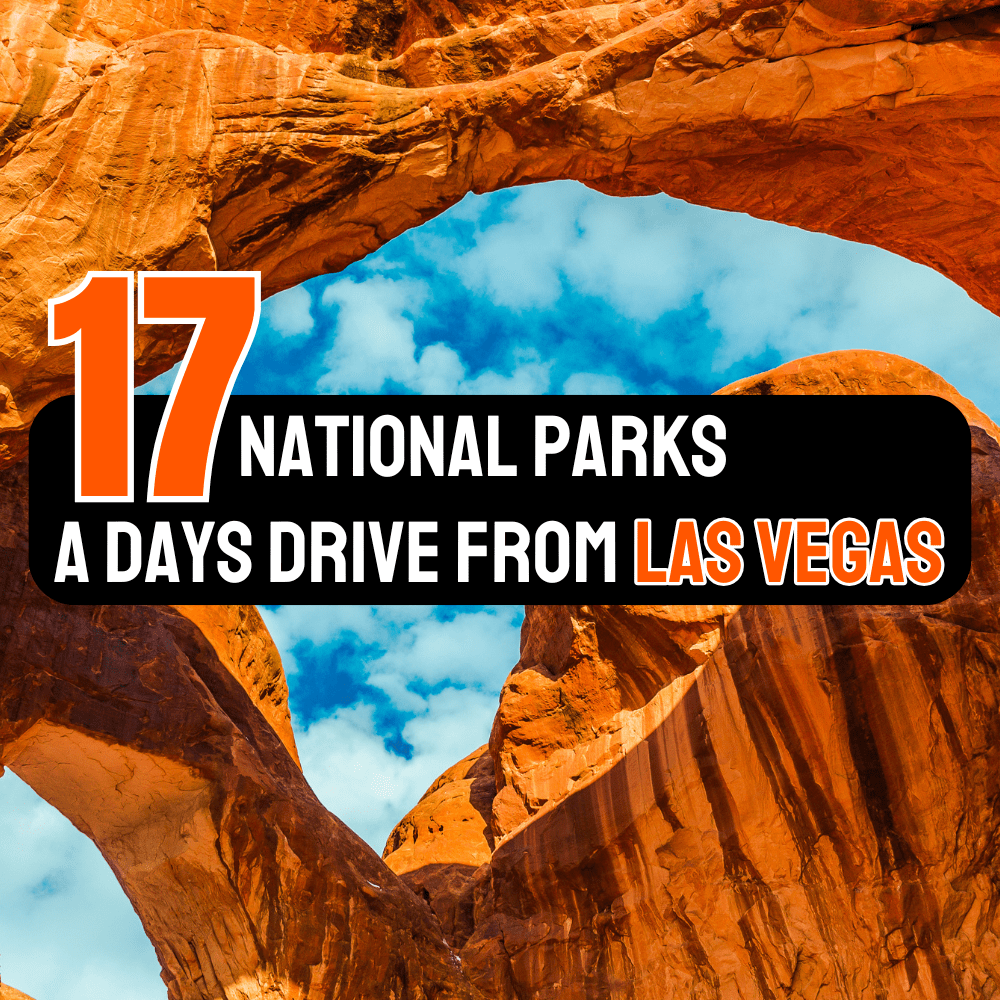
- Yosemite National Park (CA) — ~1.5-2 hours from Fresno.
- Shenandoah National Park (VA) — ~1.5 hours from Washington D.C. area.
- Hot Springs National Park (AR) — ~1 hour from Little Rock.
- Great Smoky Mountains National Park (TN/NC) — within a day’s drive of nearly half the U.S. population, with multiple access points from Gatlinburg, Cherokee, and Townsend, making it the most accessible National Park in the country for weekend trips.
Driving allows weekend maxxers to:
- Bring more gear, including camping setups.
- Self-pace scenic stops and detours en route.
- Avoid airline costs at peak times.
Stay Where You Gain Time Back
Lodging matters. For weekend trips, where you stay can shave or add hours:
- Inside-park lodging — best for sunrise and sunset without commuting.
- These are much cheaper during off season!
- Gateway towns — often have more hotel options when parks are full.
- Camping — ideal if you want to be ready to go first thing in the morning.
Campgrounds often fill months ahead in popular parks — booking early is critical. Recreation.gov lists campsite availability, plus options for backcountry permits and dispersed camping near some parks.
Weekendmaxx Camping & Road Trip Strategy
Camping and road trips go hand in hand with efficient weekend travel.
Yes — here is the entire section rewritten as one continuous section, with no additional headers added, and your existing structure preserved. This drops cleanly into your post and makes the rules around camping very clear and accurate.
Why Camping Is a Weekendmaxx Advantage
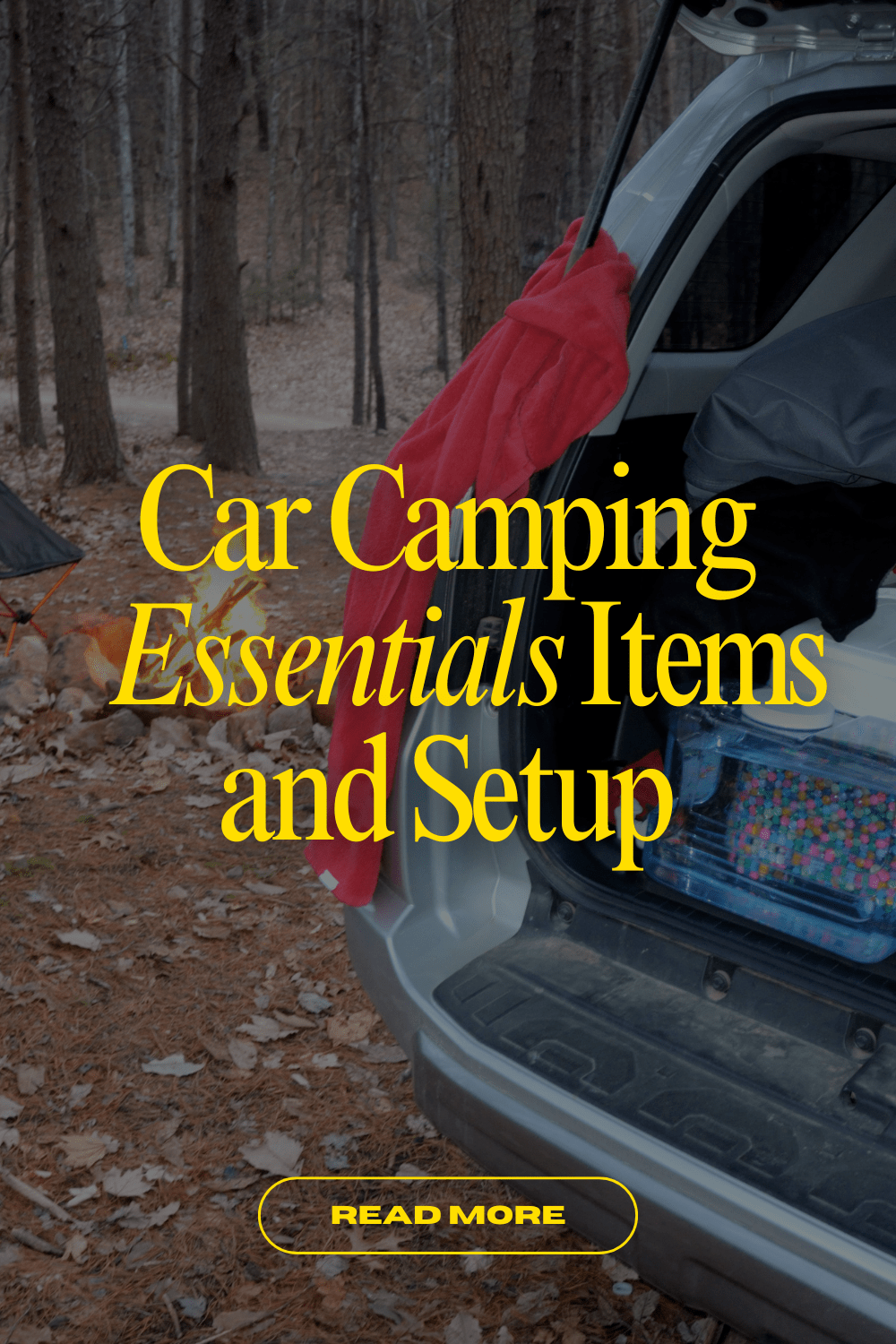
Camping is one of the biggest advantages for weekend National Park trips — when it’s done legally and strategically.
Camping allows you to:
- Wake up inside or immediately outside the park, giving you a head start on hikes and viewpoints
- Avoid long morning commute times from gateway towns
- Maximize sunrise and sunset opportunities, which is often when parks are at their best
That said, it’s critical to understand this clearly:
You cannot boondock, sleep in your vehicle, or camp overnight in National Park parking lots, pullouts, trailheads, or along park roads. Overnight stays are only allowed in designated front-country campgrounds, approved backcountry sites with permits, or official park lodging.
If campgrounds inside the park are full, the best weekend alternatives are:
- Staying in designated campgrounds just outside the park, or
- Camping on nearby BLM or U.S. Forest Service land, where dispersed camping is legal and permitted
This still keeps you close enough for early park entry without risking fines, tickets, or being asked to move in the middle of the night.
For weekend campers:
- Reserve early — prime campsites book out quickly, especially in spring through fall (National Park Service).
- Consider first-come, first-served campgrounds where available, but don’t rely on them during peak seasons.
- Use dispersed camping near national forests or BLM land as a backup when park campgrounds are full, and always verify local regulations before arriving.
- Pack a minimalist shelter system and keep essential gear ready so you can leave as soon as Friday evening without last-minute prep.
Because camping rules, reservation windows, and availability vary by park, always check Recreation.gov and the NPS App for campground details, seasonal closures, and permit requirements before your trip.
When done correctly, camping turns a short weekend into a far more efficient and immersive National Park experience — without cutting corners or breaking the rules.
Sample Weekendmaxx Itineraries (Fly or Drive)
48-Hour Weekend
Friday Afternoon/Evening
- Arrive at the park region via flight or drive.
- Pick up rental car if flying.
- Check into campground or lodging close to the park entrance to save commuting time.
- If arriving early enough, take a short sunset hike or overlook to get an initial feel for the park.
Saturday
- Sunrise: Hit your first major viewpoint or trailhead. For example, a rim or lake overlook, or a short iconic hike.
- Morning: Complete a moderate hike (2–5 miles) that covers key highlights.
- Midday: Drive through scenic loops or stop at multiple overlooks—most parks have compact drives with multiple photo-worthy points.
- Afternoon: Fit in a short secondary hike or activity like waterfalls, caves, or wildlife viewing.
- Sunset: Go to another high-impact viewpoint for sunset photography or simply enjoy the park’s best golden-hour spots.
- Optional evening: Stargazing, night photography, or a short night walk near your campground/lodging.
Sunday
- Early Morning: Optional sunrise hike for a different perspective or viewpoint.
- Morning to Lunch: Fit in one last short hike or scenic drive, focusing on areas you didn’t reach Saturday.
- Post-Lunch: Pack up and return home, with flexibility for stops along the route if driving.
Key Tip: In many parks like Yellowstone, Grand Canyon, or Yosemite, you can hit multiple iconic spots in a day by combining early starts, scenic drives, and shorter hikes, allowing you to cover 5–10 major highlights over a weekend.
72-Hour Weekend (Minimal PTO)
Adding a third day (Friday or Monday) allows for more ambitious itineraries without feeling rushed.
Extra Day Advantages:
- Add one long moderate hike (5–8 miles) that may be slightly further from your base.
- Explore less accessible viewpoints or trails that require a longer drive inside the park.
- Include scenic loops or secondary areas that are often skipped on shorter trips.
- Buffer time for weather delays or crowds — perfect for parks like Glacier, Yellowstone, or Rocky Mountain where morning and evening conditions differ drastically.
- Evening flexibility for photography, wildlife spotting, or camping setup breakdown without stress.
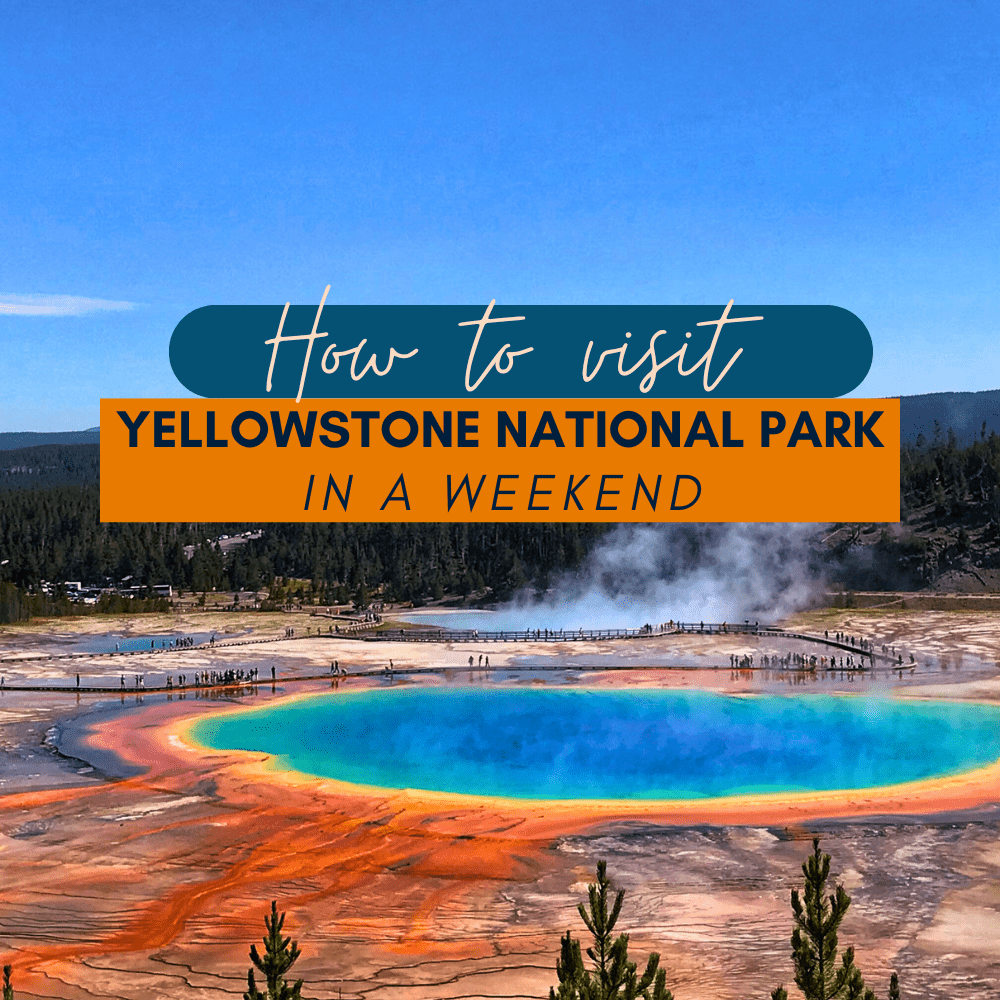
Example: In Yellowstone, a 72-hour weekend could include: Old Faithful, Grand Prismatic Spring, Yellowstone Lake, Hayden Valley wildlife spotting, Lamar Valley drive, and a short hike to a waterfall — all legally achievable with strategic timing and drive management.
How Many National Parks Can You Visit in a Year Using Only Weekends?
With consistent weekend travel, 15–25 parks a year is realistic if you:
- Mix regional driveable parks with a few strategic flights.
- Visit less busy parks during peak weekends.
- Use quieter months (spring, fall) to avoid reservations bottlenecks.
You don’t need to “complete” every park on a single weekend — reaching the major highlights and experiencing the essence is what counts. If you fall in love with a park, you can always plan a longer, more in-depth trip in the future to explore the trails, backcountry, or less-visited areas you didn’t have time for. Weekend trips are just the start of a park’s story, not the full chapter.
Best National Parks to Weekendmaxx by Season
| Season | Recommended Parks | Why They Work for Weekends |
|---|---|---|
| Winter | Joshua Tree (CA), Death Valley (CA/NV), Big Bend (TX), Everglades (FL) | Mild desert or subtropical weather, easy access, fewer crowds, shorter hikes doable in a day |
| Spring | Shenandoah (VA), Great Smoky Mountains (TN/NC), Pinnacles (CA), Zion (UT) | Lush landscapes, waterfalls in bloom, moderate temps, trails fully accessible |
| Summer | Acadia (ME), Rocky Mountain (CO), Glacier (MT), Yosemite (CA) | Cooler elevations, alpine lakes, iconic hikes, peak scenery, longer daylight for hiking |
| Fall | Bryce Canyon (UT), Zion (UT), Grand Canyon (AZ), Great Sand Dunes (CO), Black Canyon of the Gunnison (CO) | Crisp air, fall foliage, lower crowds, vibrant landscapes for photos |
Notes:
- These parks are selected for weekend feasibility: limited internal driving, iconic highlights concentrated near entrances, and options for short hikes or scenic drives.
- Seasonality affects crowds and weather, so shoulder months are often ideal for weekends.
Final Thoughts: Weekendmaxx National Parks Without Burning Out
Start with parks near you. Plan three to four weekend trips early in the year, then expand outward as you build confidence with the rhythm of weekend National Park travel. Whether you fly or drive, camp or lodge, thoughtful planning is what turns short trips into a year of adventure.