
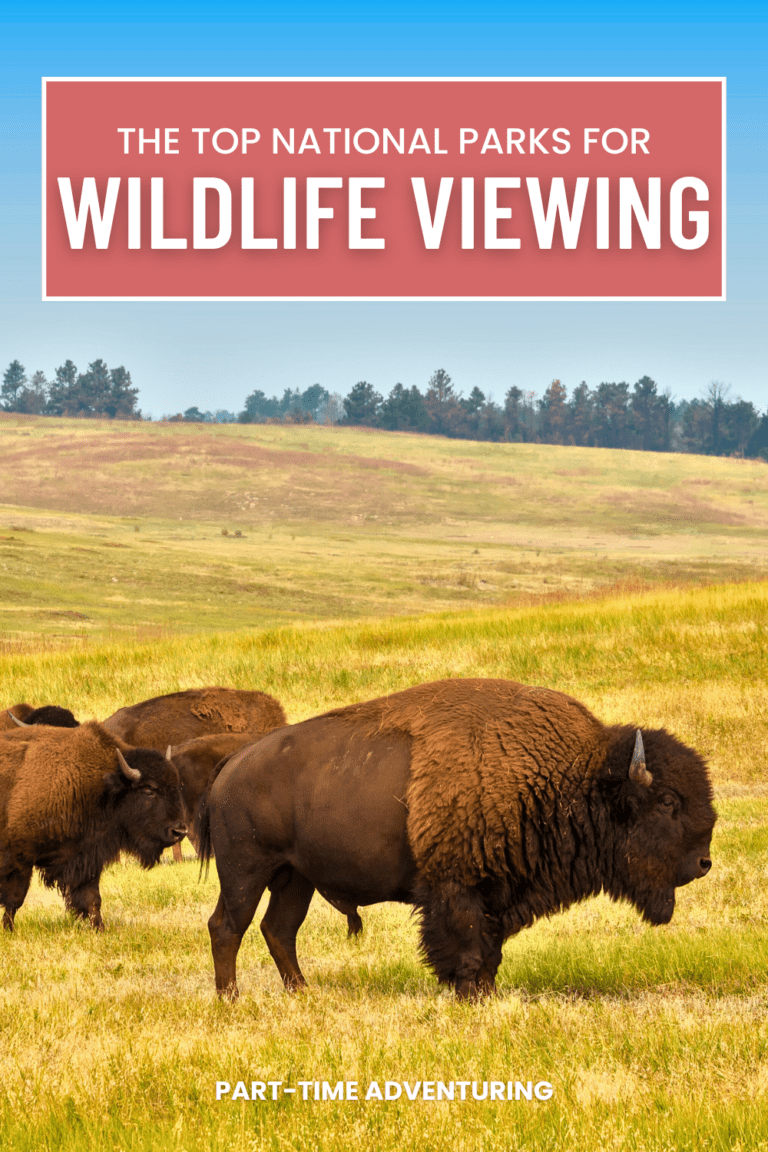
Seeing wildlife in a national park is one of the most memorable parts of any trip. Unlike zoos or preserves, national parks allow animals to live and move freely in their natural habitats. With the right timing, locations, and expectations, some parks offer incredibly reliable wildlife encounters.
From massive herds of bison to wild horses and tropical fish-filled coral reefs, these national parks stand out as the best places in the U.S. to see wildlife responsibly and up close.
Yellowstone National Park – The Ultimate Wildlife Viewing Destination
Yellowstone National Park is widely considered the best national park in the United States for wildlife viewing. Its size, diversity of ecosystems, and protected status allow animals to thrive in a way few places can match. You can read our full guide on this park HERE
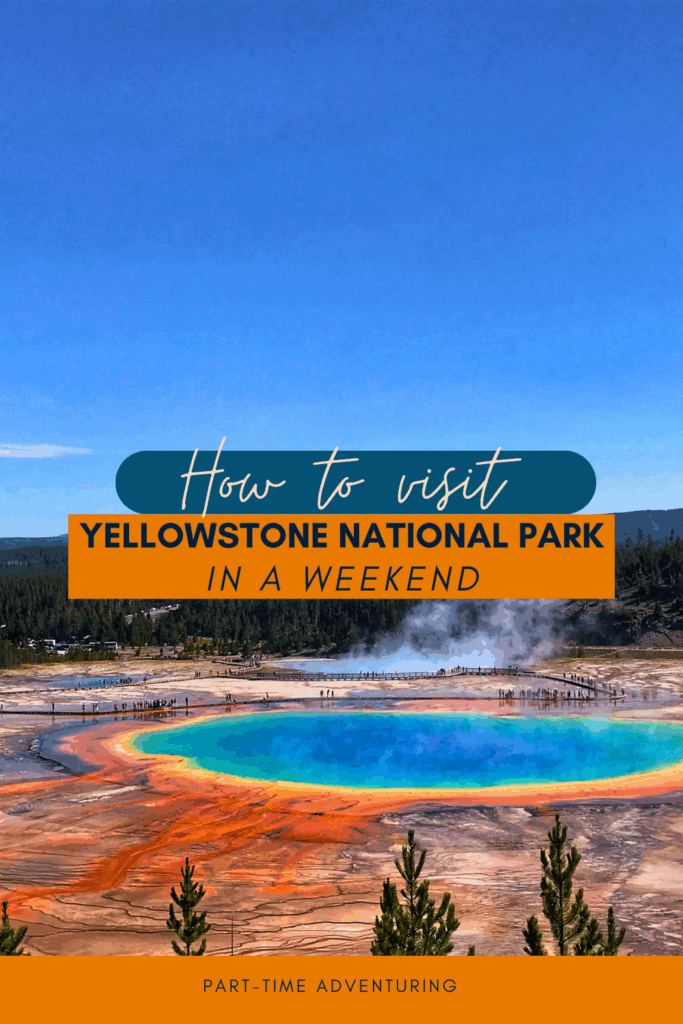
Wildlife You’re Most Likely to See in Yellowstone
- Bison roaming valleys and roadways
- Elk and pronghorn throughout open meadows
- Wolves and grizzly bears (often viewed from a distance)
- Bald eagles, osprey, and trumpeter swans
Yellowstone is one of the only places in the lower 48 where you can see all of these species in a single park.
Best Areas for Wildlife Viewing in Yellowstone
- Lamar Valley: Known as the Serengeti of North America, especially for wolves and bison
- Hayden Valley: Excellent for bison, elk, and bears
- Yellowstone River Corridor: Birds, otters, and large mammals
Yellowstone Wildlife Viewing Tips
- Visit early in the morning or at dusk for the highest chance of sightings
- Use binoculars or a spotting scope for distant predators
- Watch for wildlife traffic jams—they usually mean animals are nearby
Theodore Roosevelt National Park – Bison and Wild Horses in Wide-Open Badlands
Often overlooked, Theodore Roosevelt National Park is one of the best national parks to see wildlife without crowds. Its open terrain and lower visitation make animal sightings both frequent and relaxed.
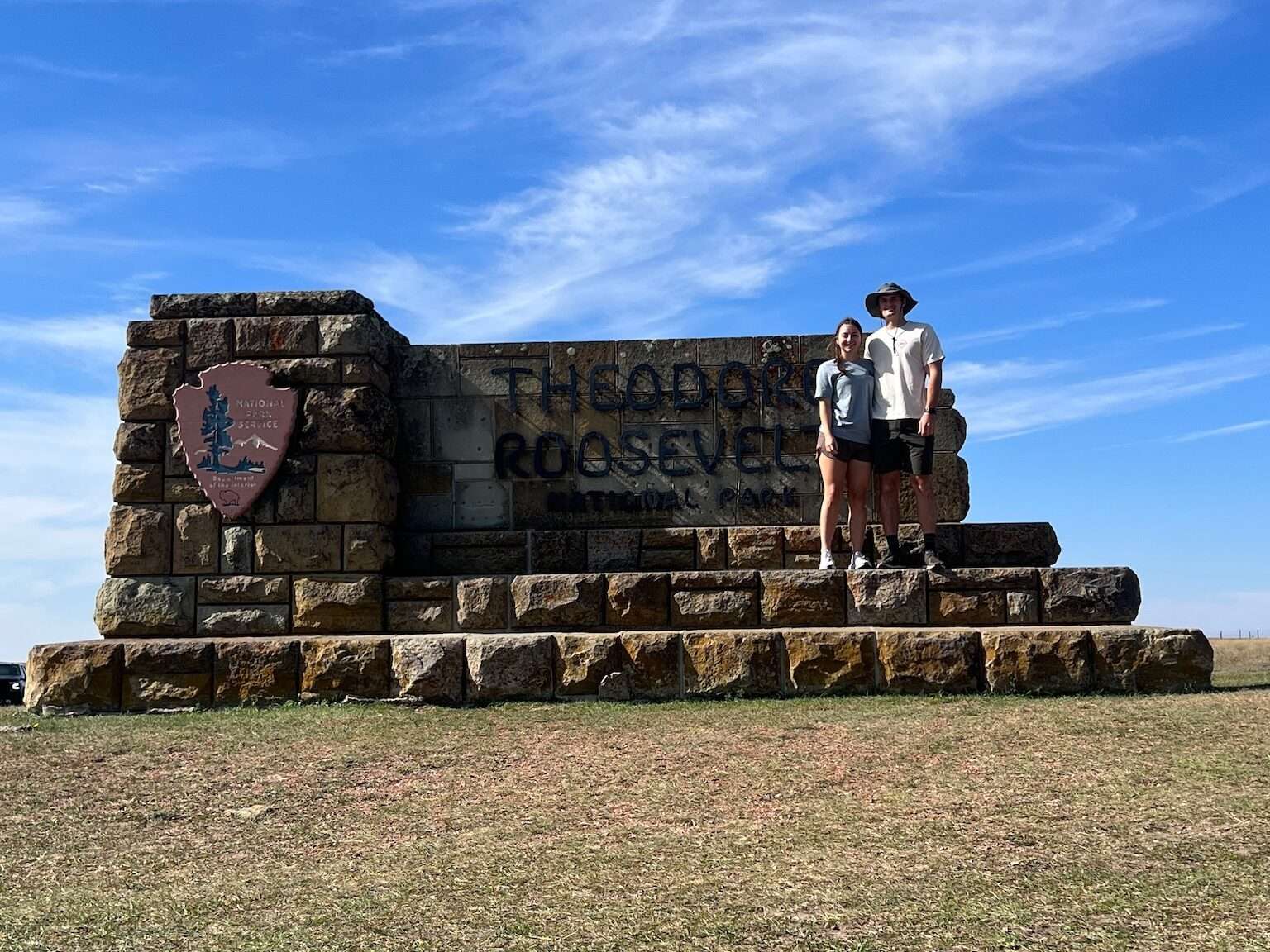
Wildlife Highlights at Theodore Roosevelt National Park
- Plains bison roaming freely
- Wild horses, often seen in small bands across the park
- Prairie dogs, coyotes, and foxes
- Hawks, eagles, and other raptors
Best Areas for Wildlife Viewing
- South Unit Scenic Loop Drive: Reliable sightings of bison and horses
- North Unit: River corridors and overlooks with fewer people
Theodore Roosevelt Wildlife Viewing Tips
- Drive slowly on scenic loops, as animals often cross the road
- Bring binoculars for spotting smaller species like prairie dogs
- Early morning visits are best for active herds and cooler temperatures
Virgin Islands National Park – Tropical Wildlife and Coral Reefs
Virgin Islands National Park offers a completely different wildlife experience. Instead of large land mammals, the star attractions here live beneath the water’s surface. You can read our full guide on this park HERE.
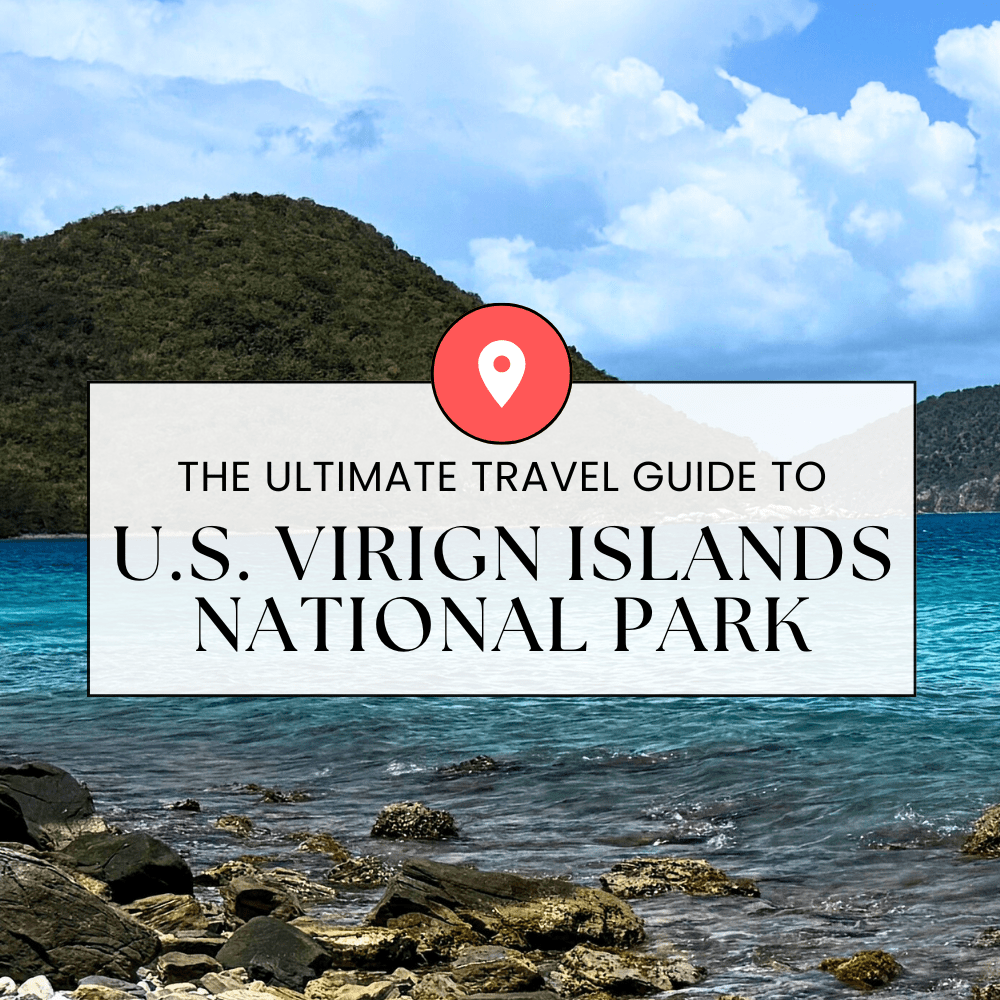
Marine Wildlife at Virgin Islands National Park
- Huge numbers of tropical fish living within vibrant coral reefs
- Green and hawksbill sea turtles
- Rays and reef invertebrates
Best Spots to See Wildlife
- Trunk Bay: Shallow reef snorkeling with dense tropical fish populations
- Maho Bay: Known for sea turtle sightings close to shore
- Reef Bay Trail: Birds, deer, and land-based wildlife
Virgin Islands Wildlife Viewing Tips
- Morning snorkeling offers clearer water and fewer people
- Look near coral formations for concentrated tropical fish schools
- Respect nesting areas and avoid touching coral
Badlands National Park – Wildlife Thriving in a Harsh Landscape
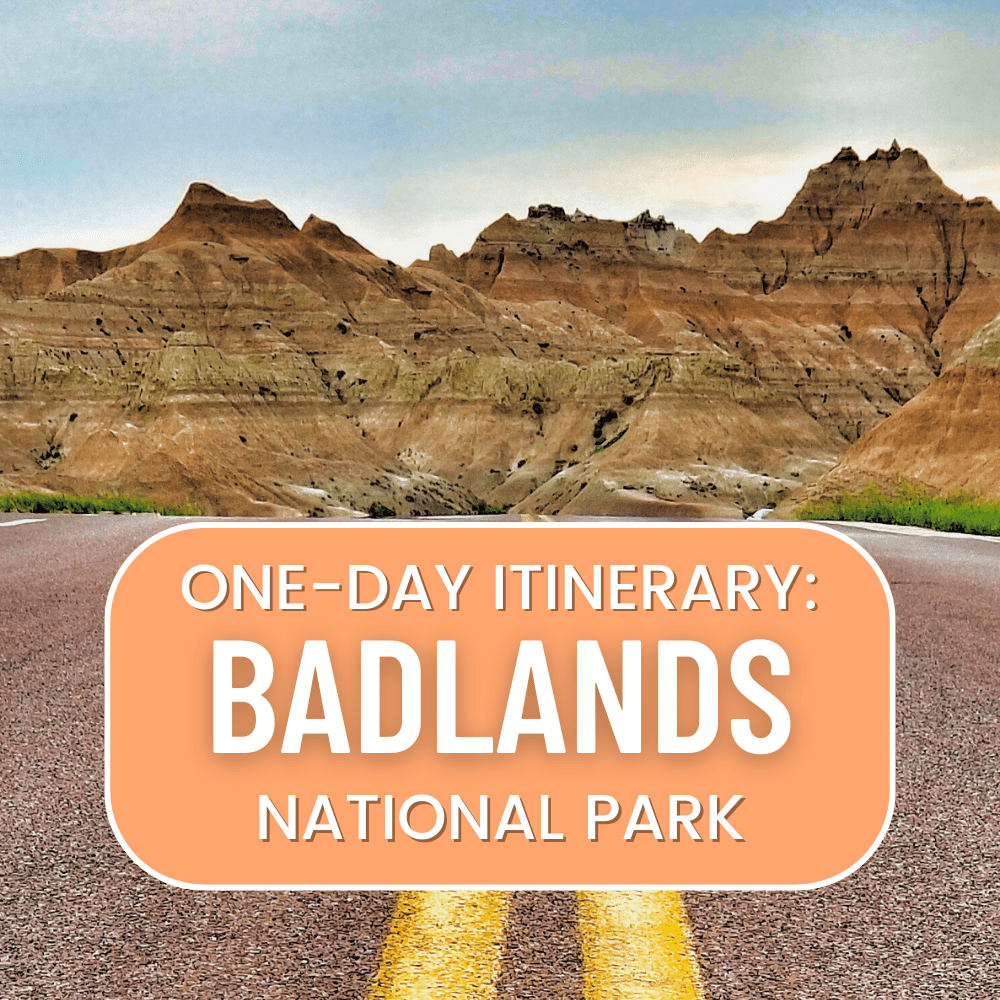
At first glance, Badlands National Park looks barren, but it supports a surprising amount of wildlife. The lack of dense vegetation actually makes animals easier to spot. You can read our full guide on this park HERE.
Wildlife You Can See in Badlands National Park
- Bison and bighorn sheep
- Prairie dogs across active towns
- Grassland birds and birds of prey
Black-footed ferrets also live in the park, though sightings are rare.
Best Areas for Wildlife Viewing
- Sage Creek Rim Road: One of the best places to see bison
- Prairie dog towns throughout the park
- Overlooks and backcountry areas during quiet hours
Badlands Wildlife Viewing Tips
- Plan visits during early morning or sunset for the best lighting and animal activity
- Drive slowly along rim roads and pull over at scenic overlooks
- Use binoculars to spot distant bighorn sheep on cliff edges
Best Time to Visit for Wildlife – Quick-Glance by Park
| Park | Best Months | Wildlife Highlights |
|---|---|---|
| Yellowstone | April–May, September–October | Baby animals, elk rut, bears emerging |
| Theodore Roosevelt | May–June, September | Active bison and wild horse herds, cooler temps |
| Virgin Islands | April–August | Sea turtles, tropical fish, calm seas |
| Badlands | May–June, September | Bison movement, cooler temperatures, bird activity |
This table helps you plan visits around wildlife peaks without guessing, improving your chances for memorable encounters.
Tips for Seeing Wildlife in National Parks
Go at the Right Time
- Dawn and dusk are prime wildlife viewing hours
- Shoulder seasons often provide the best balance of wildlife activity and smaller crowds
Bring the Right Gear
- Binoculars or a zoom lens dramatically improve your experience while keeping animals safe
- Dress in layers for early mornings and cooler hours
Follow Wildlife Safety Rules
- Maintain proper distance at all times (100 yards from bears and wolves, 25 yards from other large animals)
- Never feed or approach wildlife
- Stay on designated trails and use pullouts to observe animals
Final Thoughts: Choosing the Best National Park for Wildlife Viewing
The best national park to see wildlife depends on what you want to experience. Yellowstone offers the most diverse large mammals, Theodore Roosevelt provides wild horses and a quiet experience, Virgin Islands National Park dazzles with coral reefs full of tropical fish, and Badlands surprises with wildlife in a seemingly harsh landscape.
Take your time, observe quietly, and let wildlife set the pace. These encounters are some of the most memorable and rewarding experiences any national park visit can offer.