
National parks are more popular than ever. Timed-entry systems, social media hotspots, and post-pandemic travel have changed what it looks like to visit America’s most iconic landscapes. If you’re trying to avoid crowds at national parks, you don’t need vague advice—you need realistic strategies that work right now.
This guide breaks down exactly how to avoid crowds at national parks using timing, trail choice, and planning strategies we consistently rely on ourselves. No fluff, no unrealistic expectations—just practical ways to experience national parks with fewer people.
The Most Reliable Ways to Avoid Crowds at National Parks
1. Arrive Early
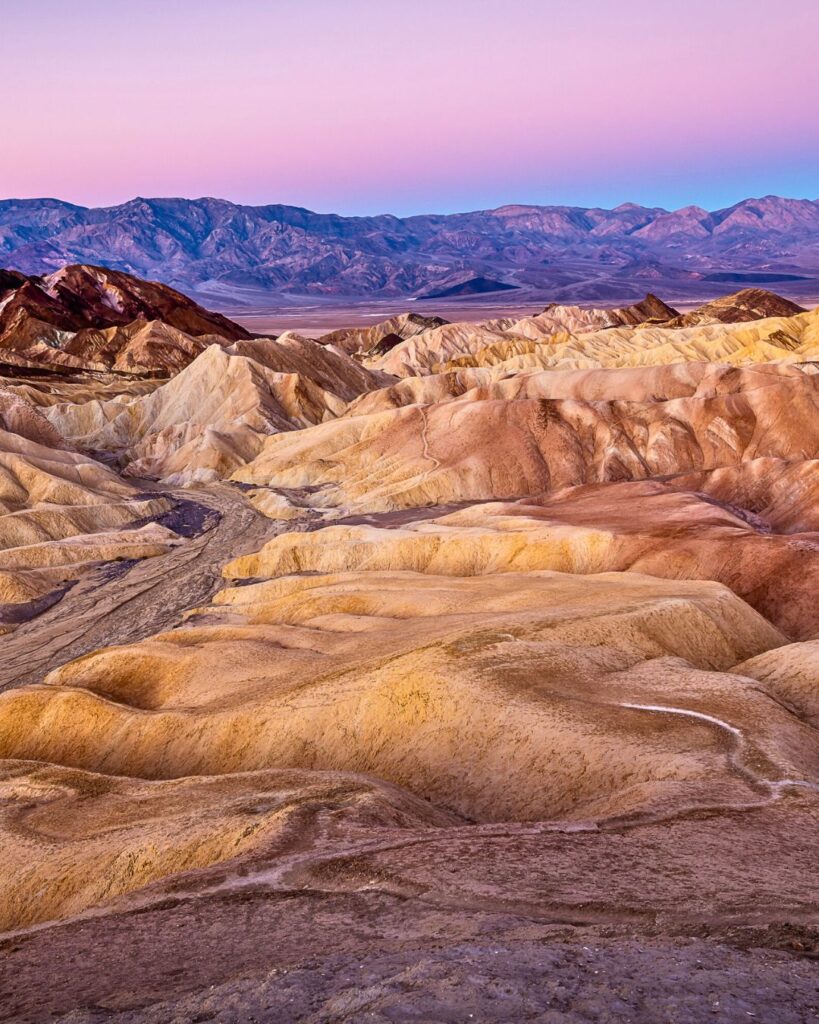
One of the most effective ways to avoid crowds at national parks is arriving earlier than most people are willing to. In many parks, the difference between arriving at 6:30 AM versus 9:00 AM is the difference between empty parking lots and gridlock.
Why this works:
- Trailheads and viewpoints are quiet before peak arrival windows
- Parking is easier, even in high-demand parks
- Wildlife activity is higher and temperatures are cooler
If you want solitude, sunrise is your friend—even if you’re not a morning person
2. Prioritize Popular Sights First
If a park has a “must-see” viewpoint or famous trail, make it your first stop of the day. These areas fill quickly and stay busy until late afternoon.
Why this works:
- You experience popular spots without crowds
- You free up the rest of your day for quieter areas
- This strategy is especially effective in shuttle-based parks
Seeing the highlights early lets you spend the rest of the day where most visitors never go.
3. Hike Longer, Harder Trails
Distance and elevation gain still filter crowds better than almost anything else. If you want to avoid crowds at national parks, look for hikes that are longer than five miles round-trip or have sustained elevation gain.
Why this works:
- Short, flat hikes attract the majority of visitors
- Crowds drop significantly after the first mile
- Challenging terrain discourages casual foot traffic
Using tools like AllTrails filters (distance, elevation, trail traffic) helps identify routes that offer solitude even in busy parks.
Timing Your Visit Matters More Than the Park You Choose
Late Afternoon and Evening Visits Are Underrated
Arriving after 4–5 PM is one of the most overlooked ways to avoid crowds at national parks. Many visitors leave to grab dinner or head back to their accommodations, especially families.
Why this works:
- Parking lots thin out significantly
- Trails are quieter during golden hour
- Evening temperatures are often more comfortable
This strategy is especially effective in desert parks and during long summer days.
Weekdays vs Weekends (When It Actually Matters)
Weekdays are generally less crowded, but not all weekdays are equal. Mondays and Thursdays tend to be quieter than Tuesdays or Fridays.
What to know:
- Summer vacation blurs weekday advantages in major parks
- Shoulder season weekdays are consistently calmer
- Remote parks benefit more from weekday visits than iconic ones
Timing helps, but it works best when combined with early starts or longer hikes.
The Truth About Off-Peak and Shoulder Seasons
When Off-Season Truly Means Fewer People
Off-peak travel is one of the best ways to avoid crowds at national parks—when applied correctly.
Examples where this works well:
- Winter in desert parks like Death Valley or Joshua Tree
- Late fall in mountain parks before major snowfall
- Early spring outside of spring break windows
You’ll trade some access for solitude, but the experience is often worth it.
Important items to have when visiting National Parks during the colder months are:
Shoulder Season Isn’t Crowd-Free Everywhere
Shoulder season is not a guarantee of fewer people, especially in parks like Zion, Yosemite, and the Grand Canyon.
What to consider:
- Limited access can concentrate visitors
- Social media-driven locations stay busy year-round
- Flexibility matters more than exact dates
Understanding each park’s seasonal patterns is key to avoiding crowds.
How to Find Quiet Places Inside Crowded National Parks
Go Where the Shuttle Doesn’t
Shuttle systems help manage crowds, but they also create bottlenecks. Areas outside shuttle routes are often significantly quieter.
Why this works:
- Fewer visitors venture beyond shuttle stops
- Road-accessed trails often see less foot traffic
- Early-morning road access provides a major advantage
This is one of the easiest ways to avoid crowds without changing parks.
Look for “Inconvenient” Trails and Overlooks
Trails that are steep, less scenic at first, or lack viral appeal tend to be far less crowded.
Using AllTrails is a greta way to find less visited trails.
What to look for:
- Steep climbs early in the hike
- Trails without iconic photo spots
- Routes described as “challenging” or “strenuous”
Effort still matters when it comes to solitude.
Explore Beyond the First Mile
Crowds drop off dramatically once you move past the first mile of most trails.
Why this works:
- Many visitors turn around early
- Trail density decreases quickly
- Even popular hikes feel quieter deeper in
This applies to nearly every national park.
Parks and Areas That Are Naturally Less Crowded
Lesser-Known National Parks to Consider
If avoiding crowds is a priority, consider visiting parks that receive fewer annual visitors.
Examples include:
These parks often deliver equally memorable experiences with far fewer people.
Don’t Overlook National Monuments and Recreation Areas
National monuments, recreation areas, and preserves often sit near major parks and absorb far less traffic.
Why this matters:
- Fewer visitors and fewer restrictions
- Similar landscapes and ecosystems
- Easier access during peak seasons
These areas are excellent alternatives when national parks feel overwhelming.
Bonus: Extra Tips for Avoiding Crowds
If you’re looking for even more creative ways to avoid crowds at national parks, consider these additional tips. While these may not work for everyone, they provide a more unique approach to experiencing the park in a peaceful setting.
Stargazing (Where Permitted)
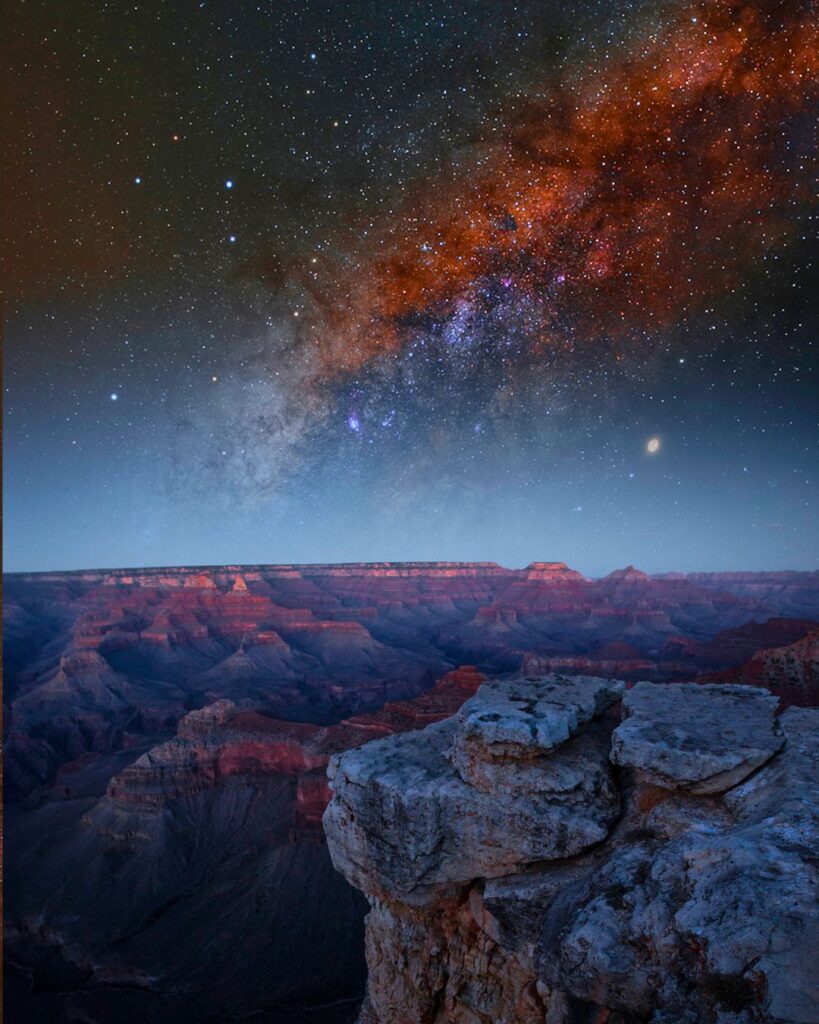
National parks are often perfect for stargazing due to their remote locations and lack of light pollution. Plan a night under the stars to enjoy the park at night without the crowds.
Why it works:
- Enjoy the park’s beauty at night, when fewer people are around
- Many parks offer stargazing programs and dark sky areas
- A peaceful and magical way to experience nature
Stargazing provides a serene, crowd-free experience, allowing you to connect with the park in a unique way. Read our blog post on the top National Parks to stargaze in!
Pack Food and Avoid Midday Exits
Leaving the park midday often means battling entrance lines when you return. Packing meals keeps you inside while others leave.
Why this works:
- Avoids peak entrance congestion
- Saves time and energy
- Allows flexible timing
Eating in quieter areas makes this even more effective.
Take a Low-Movement Rest Day
Not every park day needs to be hike-heavy. Rest days help you avoid peak crowds naturally.
Ideas include:
- Lakeside lounging
- Scenic pullouts
- Short, off-peak walks
Slowing down often leads to quieter experiences.
FAQ: Avoid Crowds at National Parks
What time of day are national parks least crowded?
Early mornings and late afternoons are consistently the least crowded times.
Are national parks less crowded on weekdays?
Yes, especially Mondays and Thursdays, though summer travel reduces the difference.
What months are best to avoid crowds at national parks?
Late fall, winter (in desert parks), and early spring outside of holidays.
Can you avoid crowds in popular national parks?
Yes, but it requires strategic timing, trail selection, and flexibility.
How to Avoid Crowds at National Parks for a More Peaceful Experience
Avoiding crowds at national parks isn’t about perfection—it’s about strategy. With the right timing, realistic expectations, and a willingness to go a little farther or start a little earlier, you can experience national parks in a quieter, more meaningful way.
For more planning tips, check out our national park trip planning guide and follow along as we continue exploring America’s parks.