
Planning a trip to Yellowstone in April or May is completely different from visiting in summer—and if you don’t understand how road openings work, it can quickly turn into a frustrating experience.
Yellowstone doesn’t fully open all at once. Instead, roads gradually open throughout spring, which means what you can see depends entirely on when you visit and which entrance you use.
This guide breaks everything down in a simple, practical way:
- What roads open and when (2026 dates)
- What areas of the park you can actually visit during each phase
- Exactly where to go and what to prioritize
- Detailed itineraries based on real conditions—not assumptions
Table of Contents
How Yellowstone Road Openings Work (Beginner Explanation)
Yellowstone is not like most national parks where you can drive anywhere year-round.
Because of heavy snowfall and high elevation, most park roads close in winter and reopen in phases throughout spring. This means:
- You cannot drive the full park loop until later in May
- Some entrances may be open while others are completely closed
- Driving between areas can take much longer due to detours
- Your entire itinerary needs to be built around what’s open
Think of Yellowstone in early season as a park that gradually unlocks section by section.
Yellowstone Road Opening Dates for 2026 (What They Actually Mean)
Instead of just listing dates, here’s what each opening unlocks and how it impacts your trip.
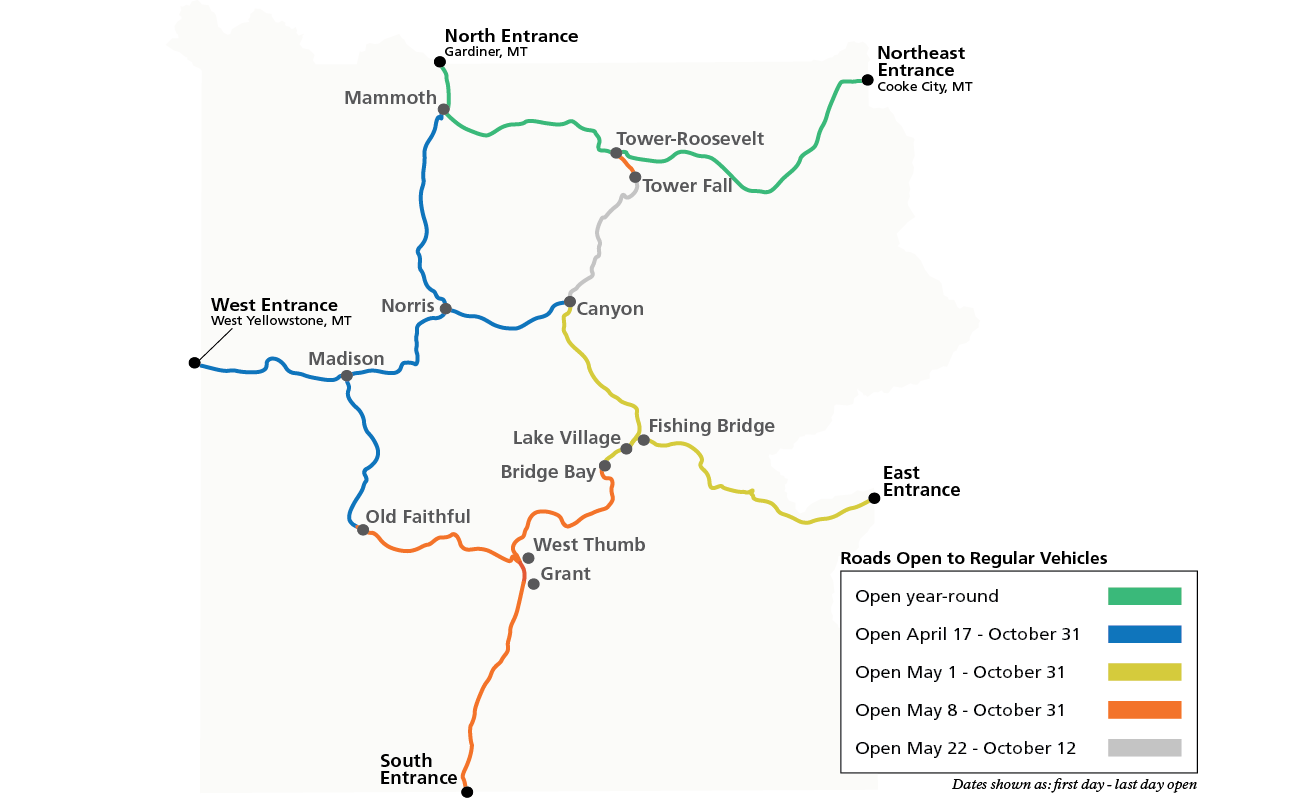
Open Year-Round: North Entrance → Northeast Entrance
This is the only road that stays open all year, running from Gardiner through Mammoth and into Lamar Valley.
What you can do here:
- Visit Mammoth Hot Springs, where unique terraces form from mineral deposits and change shape over time.
- Spend hours wildlife spotting in Lamar Valley, widely considered the best place in the park to see wolves, bears, and bison.
- You can book a guided Lamar Valley Tour here.
- Drive toward the Northeast Entrance for wide-open landscapes that feel more like a safari than a typical national park.
Why this matters:
If you visit very early (before mid-April), this is essentially the only accessible region—but it’s still one of the best wildlife areas in North America.
April 17, 2026: First Major Roads Open
This is when Yellowstone starts opening up in a meaningful way.
New access includes:
- West Entrance to central park roads
- Routes connecting Madison, Norris, Canyon, and Old Faithful
What you can now see:
- Old Faithful and the Upper Geyser Basin, home to the highest concentration of geysers in the world.
- Norris Geyser Basin, which is hotter and more unpredictable than any other geothermal area in the park.
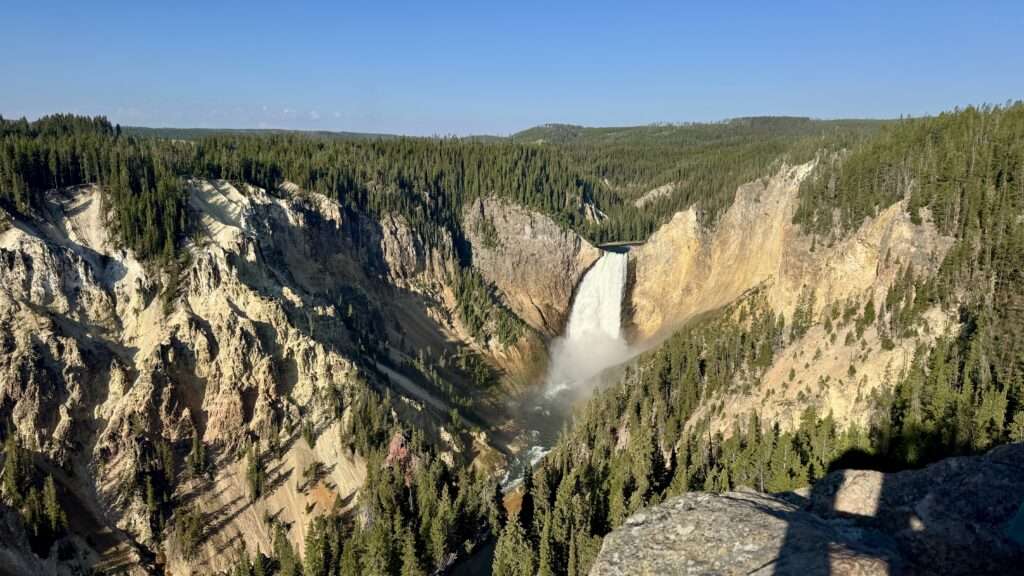
- Parts of the Grand Canyon of the Yellowstone, including waterfalls that are especially powerful during spring snowmelt.
Why this matters:
This is the first time you can combine wildlife viewing with Yellowstone’s iconic geothermal features in one trip.
May 1, 2026: Lake and Hayden Valley Access
New access includes:
- East Entrance to Fishing Bridge
- Canyon Village connecting toward the lake
What this unlocks:
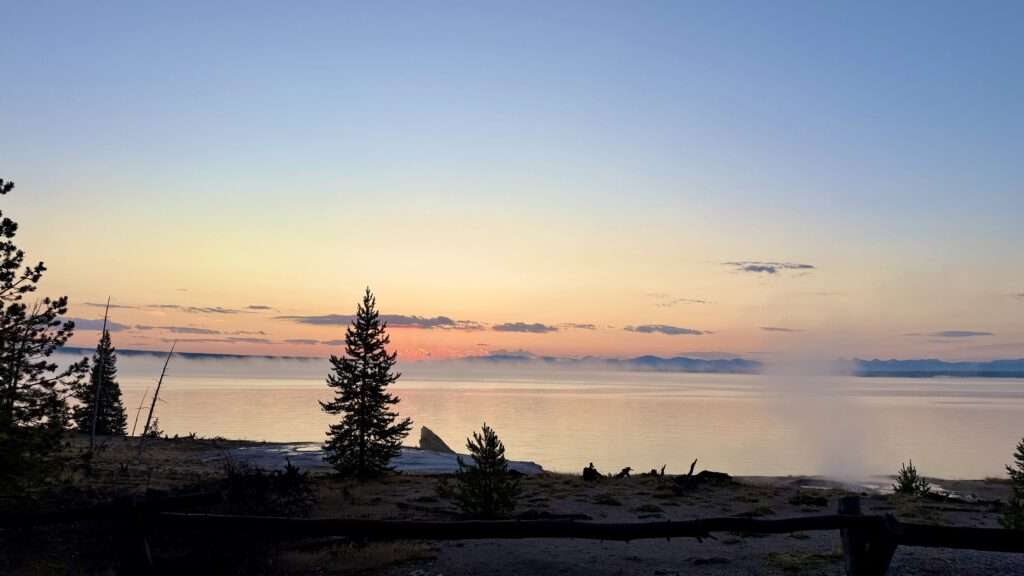
- Yellowstone Lake, which is often still partially frozen and incredibly scenic in early May.
- Hayden Valley, another prime wildlife area known for grizzly sightings and large bison herds.
Why this matters:
You now have access to a second major wildlife corridor and more variety beyond geysers.
May 8, 2026: South Entrance Opens
This is one of the biggest turning points for trip planning.
New access includes:
- South Entrance connection
- Roads linking the lake, geysers, and southern park
What this unlocks:
- Easy access from Grand Teton National Park, making it possible to combine both parks in one trip.
- West Thumb Geyser Basin, where geothermal features sit directly along the edge of the lake.
Why this matters:
This is when Yellowstone becomes much easier to navigate and plan efficiently.
May 22, 2026: High Elevation Roads Open (Weather Dependent)
These roads depend heavily on snow conditions and can open late or close temporarily.
Includes:
- Dunraven Pass, which connects Canyon to Tower and saves significant driving time.
- Beartooth Highway, one of the most scenic drives in the United States.
- Chief Joseph Scenic Byway, a quieter but equally stunning alternative route.
Why this matters:
Once these open, you can experience Yellowstone at its fullest—including high alpine scenery.
Best Places to Visit in Yellowstone Early Season (Detailed Breakdown)
Wildlife Hotspots
- Lamar Valley
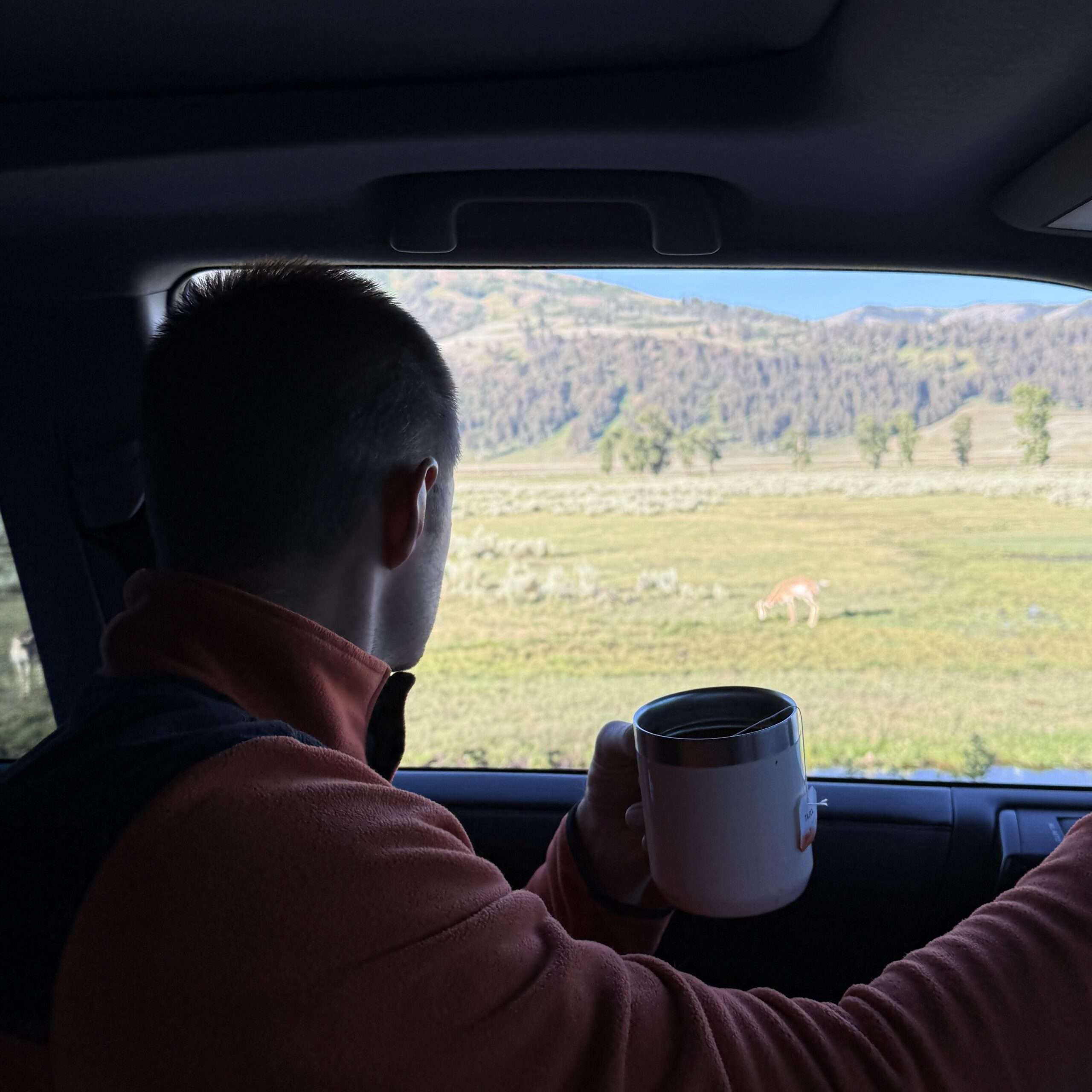
This is your best chance to see wolves in the wild, along with grizzly bears and massive bison herds. Early morning and sunset are critical for activity. - Hayden Valley
Slightly easier to access later in spring, this valley often has large concentrations of wildlife and is excellent for midday viewing as well.
Geysers and Thermal Areas
- Old Faithful
The most famous geyser, but the real value is exploring the entire basin where dozens of eruptions happen daily. - Norris Geyser Basin
Known for constant change and intense geothermal activity, making every visit slightly different. - West Thumb Geyser Basin
A quieter area where geysers meet the lake, offering unique photo opportunities.
Scenic Highlights
- Grand Canyon of the Yellowstone
Spring runoff makes the waterfalls especially powerful, and fewer crowds make viewpoints easier to enjoy. - Yellowstone Lake
Often partially frozen in early May, creating a dramatic and unique landscape.
Detailed Yellowstone Early Season Itineraries
Mid-April to Late April (Wildlife + Geysers Focus)
Day 1: Mammoth + Lamar Valley
- Enter through the North Entrance, which is the most reliable access point early in the season and requires no concern about road closures.
- Spend your morning walking through Mammoth Hot Springs, where the terraces are easy to explore and often surrounded by elk.
- Take your time driving toward Lamar Valley, stopping frequently since wildlife sightings can happen anywhere along this stretch.
- Plan to stay in Lamar Valley through sunset, as this is when predators are most active and lighting conditions are ideal.
Day 2: Wildlife Morning + Norris + Old Faithful
- Wake up early and return to Lamar Valley before sunrise, as this is your best opportunity to see wolves and bears moving through the landscape.
- Drive south toward Norris Geyser Basin, where cooler morning temperatures make geothermal activity more visible.
- Walk both major loops at Norris to fully experience the variety of features, from colorful pools to steaming vents.
- Continue to Old Faithful in the afternoon, allowing time for scenic stops and potential wildlife sightings along the way.
Day 3: Old Faithful + Canyon
- Start your morning exploring the Upper Geyser Basin beyond Old Faithful itself, as many visitors miss the majority of the area by staying near the main viewing platform.
- Spend time walking deeper into the basin to see multiple geysers erupt and experience quieter sections of the park.
- Drive toward the Grand Canyon of the Yellowstone, visiting any open viewpoints and focusing on waterfall overlooks.
- Use the late afternoon for a relaxed drive, giving yourself flexibility to stop for wildlife or changing weather conditions.
Early May (More Variety + Lake Access)
Day 1–2: Wildlife Base
- Spend your first two days focusing heavily on Lamar Valley and Mammoth, since wildlife activity remains one of the biggest highlights of an early season trip.
- Use sunrise and sunset for wildlife viewing, and mid-day for shorter walks and scenic drives.
Day 3: Canyon + Hayden Valley
- Drive to the Grand Canyon of the Yellowstone early to avoid crowds and catch the best lighting.
- Continue into Hayden Valley, where you can spend time scanning for grizzlies and large bison herds.
Day 4: Lake + Geysers
- Visit Yellowstone Lake, where the mix of ice, water, and mountains creates a unique early-season landscape.
- Spend the afternoon revisiting geyser basins, focusing on areas you may have rushed earlier.
Mid-May (Best Overall Trip Plan)
Day 1–2: Grand Teton
- Explore Grand Teton National Park, focusing on scenic viewpoints and wildlife-rich areas.
- Use these days to ease into the trip while waiting for more Yellowstone roads to be fully accessible.
Day 3–5: Yellowstone Core Experience
- Enter Yellowstone through the South Entrance and explore West Thumb, Old Faithful, Canyon, Hayden Valley, and Lamar Valley over multiple days.
- Structure your days around early mornings and evenings for wildlife, and mid-day for geothermal areas and viewpoints.
Late May (Full Access + Scenic Drives)
- Follow the mid-May itinerary structure, but add time for high-elevation drives like Beartooth Highway, which offers some of the most dramatic scenery in the region.
- Use your extra flexibility to revisit favorite areas or explore lesser-known sections of the park.
Where to Stay (Strategic Breakdown)
- Gardiner (North Entrance): Best for early access and wildlife-focused trips
- West Yellowstone: Best for geysers and central park access
- Inside the park: Most convenient but limited early season availability
Essential Tips for First-Time Visitors
- Always check road status daily, as conditions can change quickly due to weather
- Plan for cold mornings and bring winter layers even in May
- Even in the summer months it gets down to freezing in the morning so regardless when you visit bring some winter layers.
- Fill up on gas whenever possible, as services may be limited
- Expect longer drive times than you think due to wildlife and road conditions
- Start your days EARLY
Is Early Season Yellowstone Worth It?
If you plan around road openings, early season offers:
- Better wildlife viewing than summer
- Fewer crowds at major attractions
- A more raw, natural version of Yellowstone
Final Thoughts
Yellowstone in April and May rewards people who plan ahead.
If you understand what roads are open, prioritize the right areas, and stay flexible, you’ll experience a version of the park that most visitors never see—and it’s often far more memorable than a peak summer trip.